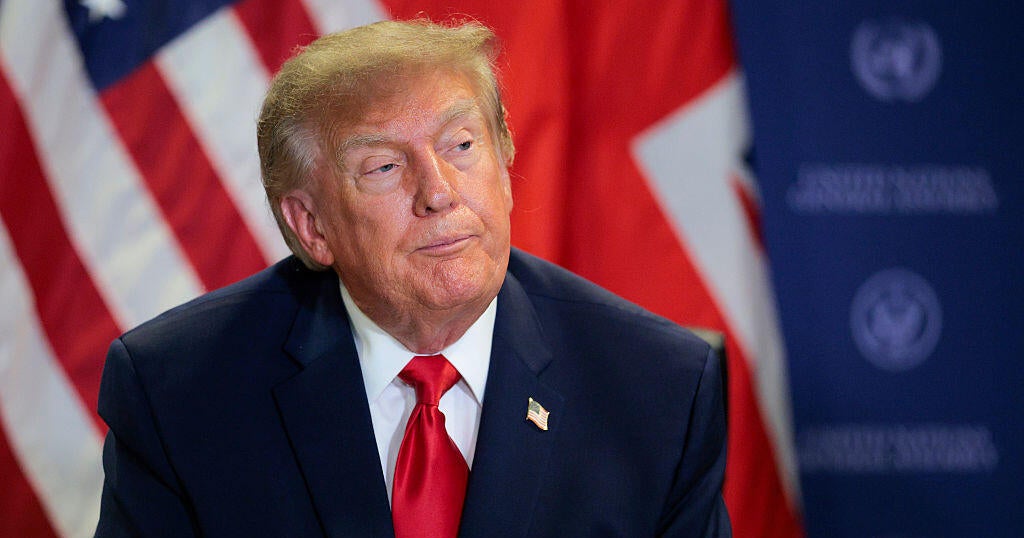
A television advertisement featuring President Donald Trump and carrying the disclaimer "Paid for by the U.S. Government" began airing on cable and network stations on Wednesday, September 23, 2026. The 30-second and 60-second spots feature footage of the president at rallies and official events set to the song "Love Me" by the artist JMSN. While the White House characterizes the ads as public service announcements (PSAs), several Democratic and Republican lawmakers have questioned the legality of using taxpayer funds for the campaign.
The initial ad features Mr. Trump vowing to defeat "communism, socialism and Marxism in America" and highlights administration policies regarding tax cuts, domestic manufacturing, and law enforcement. A second version of the ad, which aired on Thursday, September 24, recounts the U.S. capture of former Venezuelan President Nicolás Maduro and his wife. The content was produced by the U.S. government and placed through an ad agency, with tracking firm AdImpact reporting a $14,000 spend for spots on Fox News and Newsmax.
Lawmakers and the featured musical artist have raised objections to the campaign. Sen. Maggie Hassan (D-NH) and other Democratic appropriators sent letters to White House chief of staff Susie Wiles demanding information and that the ads be pulled, alleging a violation of federal laws prohibiting the use of appropriated funds for propaganda. Sen. Thom Tillis (R-NC) described the taxpayer-funded ads as "inappropriate." Additionally, the artist JMSN stated on social media that he did not grant a license for his music and would not authorize its use for a political agenda.
Democratic lawmakers, including Sen. Hassan, have formally requested that the White House disclose the full cost, the source of the funding, and whether money was diverted from other federal agencies to finance the campaign.
Critics, including Rep. Jamie Raskin (D-MD), allege the ads violate the Hatch Act and federal ethics provisions. However, Richard Briffault, a law professor at Columbia University, noted that because Mr. Trump is not currently on the ballot and the ads do not include a specific "call to action" or endorsement for office, they may not violate election laws.
The situation involves how sitting administrations define public service announcements versus political messaging. The White House maintains these spots are educational efforts to encourage patriotism, comparing them to previous administrations' PSAs, such as those promoting COVID-19 vaccinations. Sen. Jacky Rosen (D-NV) is seeking to address the issue via an amendment to a bill that would ban taxpayer-funded political ads featuring cabinet members. Lawmakers have demanded the ads be pulled immediately.