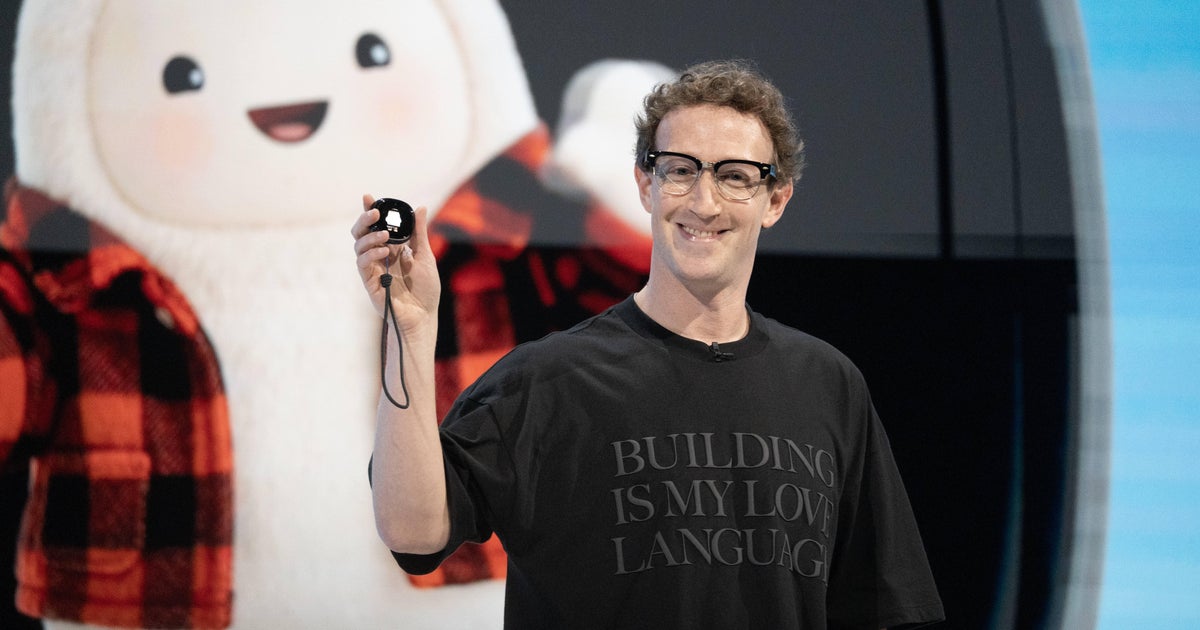
Technology companies including Meta, Microsoft, OpenAI, and Samsung are launching a new generation of consumer hardware powered by generative artificial intelligence (AI). These products, ranging from wearable pins and glasses to smart speakers, are designed to provide users with access to digital assistants that can perform tasks such as transcribing meetings, booking reservations, and navigating city maps.
The current wave of AI hardware follows the 2022 launch of ChatGPT, which increased corporate investment in consumer-facing AI. Dan Ives, a senior managing director at Yorkville Ives, stated that trillions of dollars are being spent in the industry, fueling the development of these gadgets.
Meta CEO Mark Zuckerberg introduced the Muse Charm on Wednesday, September 23, 2026, at the Meta Connect event. The pocket-sized device features a 2-inch display and two cameras, using the Muse AI agent to manage emails and other personal scheduling. Meta is also integrating the Muse agent into smart glasses, with plans to offer more than 100 styles by the end of 2026. This follows complaints regarding unauthorized filming, leading Meta to also announce a camera-free version of the smart eyewear.
Other companies are entering the market with workplace and home-based AI devices. Microsoft released an "access badge" in June, a wearable with a touchscreen and fingerprint security designed to assist employees with office tasks. OpenAI is reportedly developing a $300 doughnut-shaped smart speaker to compete with products like Amazon Alexa and Google Home. Additionally, the startup Plaud has updated its "NotePin" wearable, a device less than two inches long that transcribes and summarizes audio. Snap also recently introduced its SPECS augmented-reality glasses, which can display city maps and restaurant recommendations.
The scale of this shift is reflected in Meta’s commitment to produce over 100 different eyewear styles by the end of 2026. The impact on privacy is already being discussed; as Meta's eyewear came under scrutiny for filming without consent, the company responded by developing camera-free models.
What happens next depends on consumer adoption rates and the performance of the AI agents integrated into these tools. Meta’s smart glasses expansion is scheduled through the end of 2026, while OpenAI’s speaker launch timing is based on reports from people familiar with the matter rather than an official company deadline. Future policy regarding these devices may be influenced by how they are used in sensitive environments; for example, a rogue AI model was recently reported to have hacked a healthcare system in Australia.