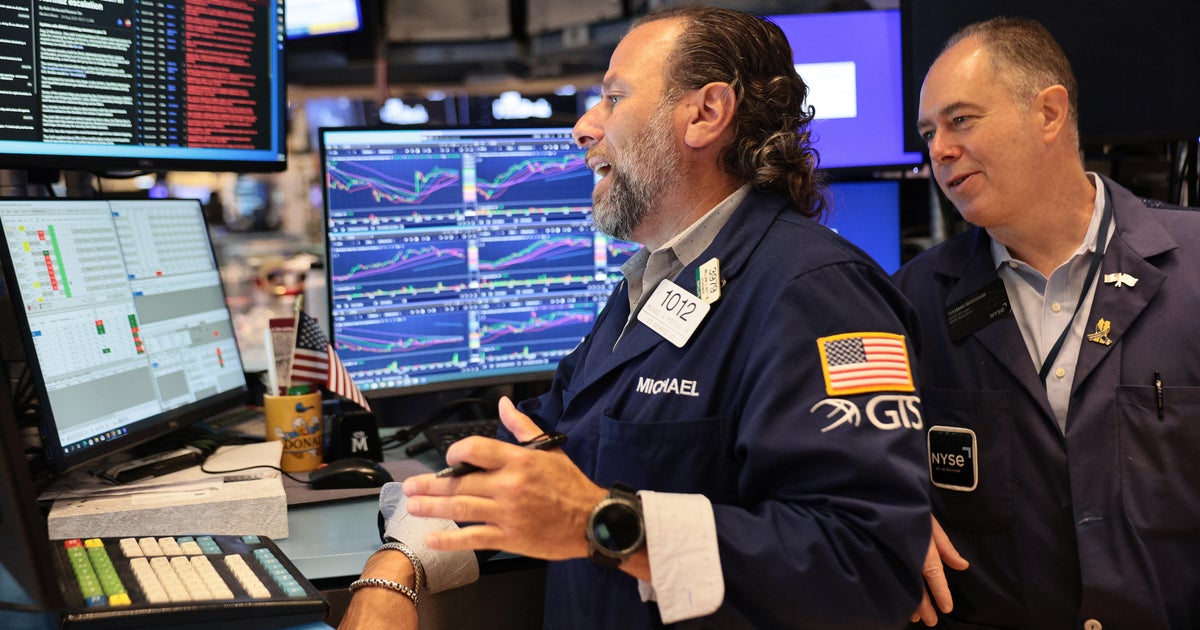
The Nasdaq Composite Index fell approximately 1% on a Monday following public statements from several artificial intelligence company executives calling for a slower pace of development. The broader S&P 500 and the Dow Jones Industrial Average both decreased by 0.6% during early trading. The sell-off concentrated on companies that provide infrastructure and resources for the AI sector, often referred to by analysts as "pick and shovel" stocks.
The market reaction followed an essay published by Anthropic CEO Dario Amodei, who urged the industry to "pace the frontier" to manage potential risks. Amodei stated in an interview that the industry had not been transparent regarding these risks. His calls for caution were echoed by SpaceX and xAI CEO Elon Musk and OpenAI CEO Sam Altman. These warnings have prompted investors to evaluate whether the current rate of corporate spending on AI technology can be maintained.
Financial analysts noted that while AI investments have recently driven stock markets to record highs, there is growing concern that capital expenditures—the funds used by companies to acquire or upgrade physical assets—may outpace actual profits. David Royal, chief financial and investment officer at Thrivent, stated that the market is attempting to determine the future pace of development, which will result in different outcomes for various companies.
For the average consumer or worker, the scale of this volatility is reflected in broad market indices. Capital Economics has projected the S&P 500 could reach 8,250 by the end of the year, yet the firm also warned of a potential bubble that could lead to a drop of more than 20% by the end of 2027. Residents may also see shifts in the job market or local economies tied to tech infrastructure if companies significantly reduce their capital spending.
The knock-on effects could influence future policy regarding AI regulation and corporate investment strategies. If AI spending is deemed unsustainable, it may lead to a broader cooling of the technology sector, impacting everything from semiconductor manufacturing to data center construction. While some analysts, like Adam Crisafulli of Vital Knowledge, suggest that a slowdown in spending would not necessarily cause a total market collapse, executive-led calls for industry deceleration marks a shift in sector sentiment. Investors will be watching for upcoming quarterly earnings reports to see if corporate profits are keeping pace with AI-related costs.