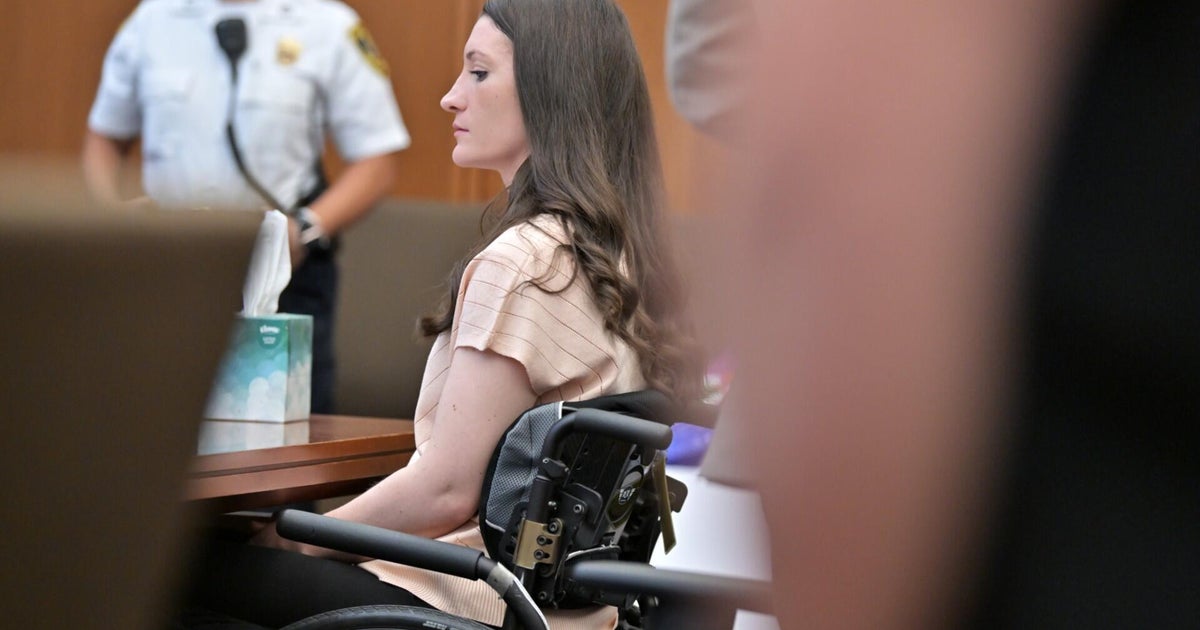
The murder trial of Lindsay Clancy resumed Monday in Plymouth Superior Court, entering its fourth week of witness testimony. Judge William Sullivan informed the jury that the prosecution, led by Jennifer Sprague and Shanan Buckingham, may conclude its case on Monday, which would allow the defense to begin calling its witnesses.
Clancy, 36, is charged with first-degree murder following the deaths of her three children: 5-year-old Cora, 3-year-old Dawson, and 8-month-old Callan. The incident occurred on Jan. 24, 2023, at the family home in Duxbury, Massachusetts. Clancy has pleaded not guilty to the charges.
While Clancy admits to killing the children, her defense attorney, Kevin Reddington, argues she should not be held criminally responsible. The defense contends that Clancy was overmedicated and suffering from postpartum psychosis, a severe mental health condition. In contrast, the prosecution alleges that Clancy planned the killings before faking a suicide attempt.
During the previous week of proceedings, prosecutors presented electronic materials to support their theory of premeditation. Testimony from the medical examiner's office caused several pauses in court as Clancy was observed sobbing. The trial continues to examine the state of mind and actions of the defendant leading up to the events of Jan. 24.
The case has drawn attention to the clinical and legal definitions of postpartum psychosis. A verdict of not criminally responsible would indicate the jury accepted the defense's argument that Clancy's mental state at the time of the deaths prevented her from understanding the wrongfulness of her actions or conforming her behavior to the law. This outcome would prioritize medical treatment over punitive incarceration for a defendant who admits to the physical acts but disputes their legal culpability.
The proceedings will continue in Plymouth Superior Court as the defense prepares to present its counter-arguments and expert testimony. The transition from the prosecution's case to the defense's presentation marks a shift in the trial's focus toward Clancy’s medical history and psychiatric state. A specific date for the conclusion of the trial or the start of jury deliberations has not been reported.