Texas Republicans are campaigning to maintain and expand support among Latino voters in the upcoming 2026 midterm elections. The strategy follows redistricting efforts conducted last year that sought to utilize gains made by President Donald Trump, who won 55 percent of the Texas Latino vote in 2024. However, some South Texas business owners and voters have reported that immigration enforcement and inflation are creating friction within this voting bloc.
The state’s current congressional map was redrawn by Republicans during the previous summer to leverage shifting political alignments in South Texas. In the 2024 election, Trump’s performance among Texas Latinos represented a significant increase from 2016, when he received approximately one-third of their vote. Despite these gains, a recent poll by The Cook Political Report and TelevisaUnivision found that only one-third of Hispanic voters in Texas approve of the president’s current job performance.
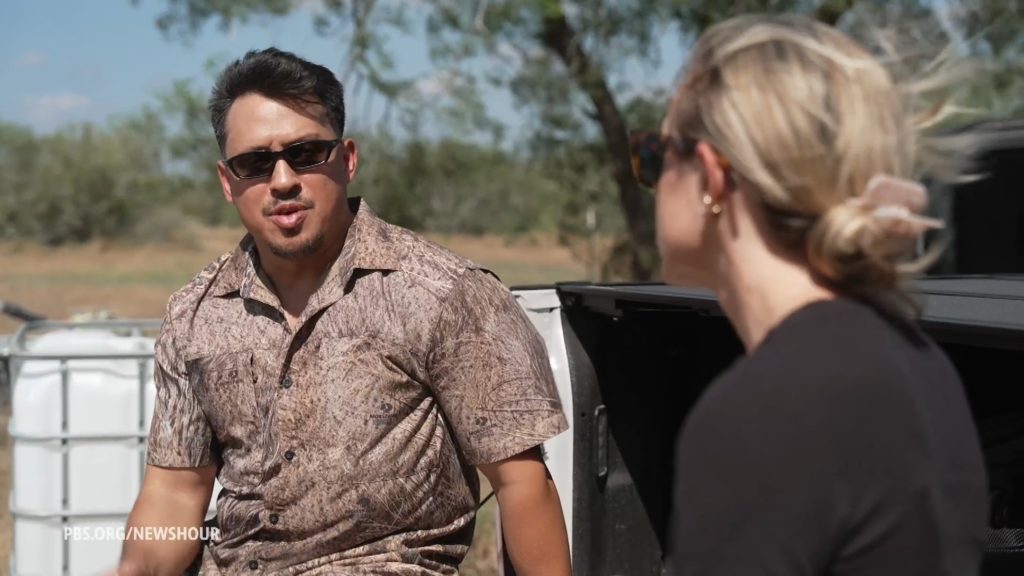
Economic concerns and immigration policy are central to the current campaign cycle. Mario Guerrero, head of a South Texas regional builders association, stated that immigration raids have negatively impacted the local construction industry by creating labor shortages. While Rep. Monica De La Cruz (R-TX) has expressed support for securing the border and focusing enforcement on cartels, Guerrero indicated he intends to support her Democratic opponent, Bobby Pulido. Pulido, a Tejano music performer, is focusing his campaign on economic messages, noting that many in the community lack generational wealth.
For ordinary residents and small-business owners, the impact is felt in day-to-day operations and household finances. Business owners in sectors like construction report that increased immigration enforcement has made it difficult to staff job sites, which local leaders say affects the broader regional economy. Simultaneously, voters like Chezare Perez of Floresville report that everyday affordability remains a struggle, requiring multiple jobs to manage rising costs. These economic pressures, combined with immigration policy, are influencing whether traditional Republican or Democratic supporters maintain their party loyalty or split their tickets between different candidates.
The outcome of these South Texas races will serve as a precedent for how both major parties approach Hispanic outreach in future national cycles. Daniel Garza of The LIBRE Initiative noted that these voters often behave as "transactional," meaning their support depends on specific policy outcomes rather than long-term party identification. If current trends in South Texas lead to low turnout or a reversal of recent Republican gains, it may force a reassessment of national campaign strategies. The 2026 midterm elections will serve as the first major test of the redrawn maps, with final results determining party control of these key border-region seats.