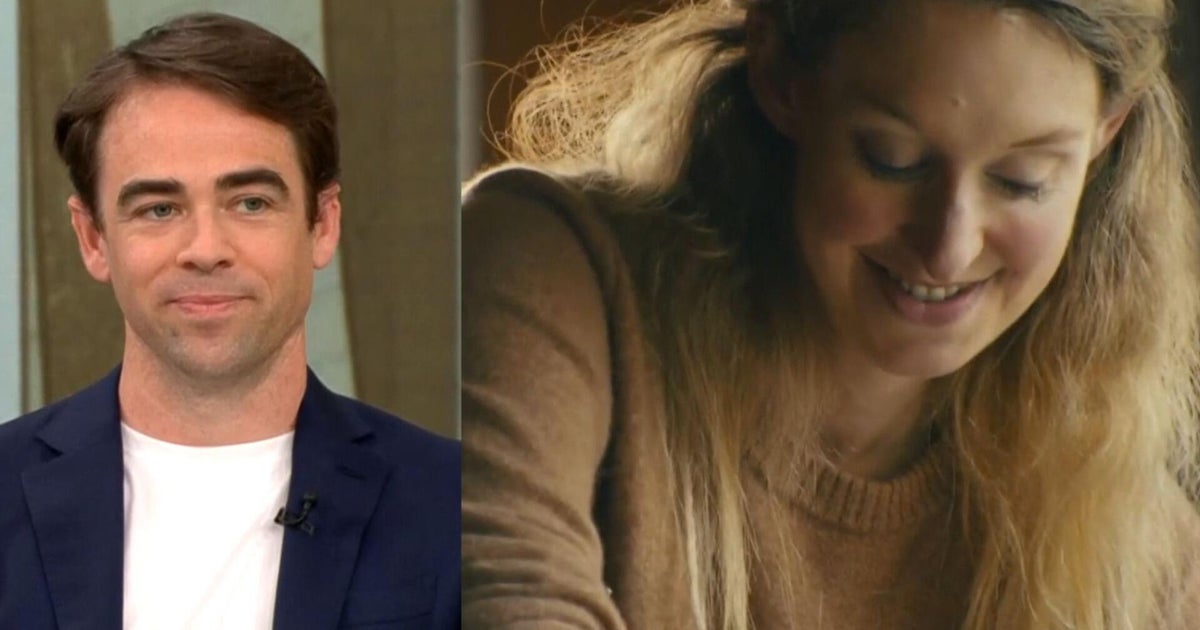
Tyler Shultz, a former employee and whistleblower at Theranos, stated in a Monday interview on "CBS Mornings" that he was surprised by the depiction of Elizabeth Holmes in the new documentary "You Can See Everything." Shultz, who worked at the biotech company starting in 2013, compared the version of Holmes he saw on screen to the executive he previously knew. He stated that the woman in the film appeared to be "broken" and "almost unrecognizable" compared to the person he recalled confidently commanding rooms of high-ranking government officials.
The documentary provides a look inside Holmes’ rented residence in San Diego in 2023, filmed shortly before she began an 11-year prison sentence. Holmes was convicted in 2022 on multiple counts of defrauding investors by claiming Theranos technology could perform comprehensive clinical analyses using only small amounts of blood from a finger prick. The film features Holmes alongside her partner, Billy Evans, and their two children, while maintaining her stance of not admitting to any wrongdoing.
During the interview, Shultz disputed the authenticity of a device Holmes showed to directors Nathan Fielder and Lance Oppenheim during the filming. Shultz claimed that the components Holmes displayed were not the same as the equipment he worked with daily, which he alleged failed quality controls and was hidden from regulators. He stated that Holmes "completely misled" Fielder regarding the technology.
For the average patient or consumer, Shultz claimed the actual technology used "failed quality controls" and was used to "knowingly give patients incorrect medical information." The exposure of these practices resulted in the dissolution of Theranos.
The documentary earned $15 million in its opening weekend. Shultz, who served as an informant for The Wall Street Journal and government investigators after leaving the company in 2014, continues to speak regarding the internal operations of the firm. While Holmes has already begun her prison term, the film and Shultz's subsequent remarks serve as a public record of the events leading to the company's closure.