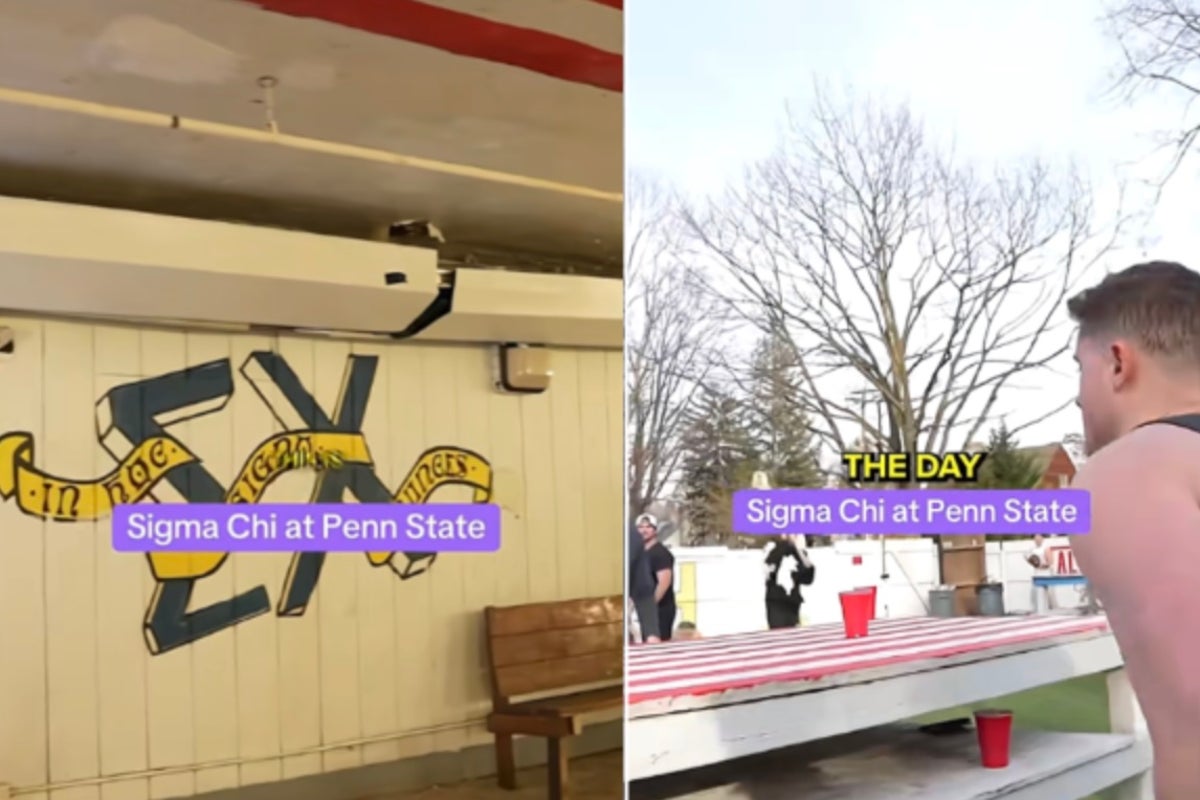
Pennsylvania state officials announced charges on Monday against 14 individuals, including 13 current and former Pennsylvania State University students, in connection with an alleged cocaine trafficking operation. Investigators stated the ring operated from 2023 to 2024, with activities centered at the Sigma Chi and Delta Upsilon fraternity houses.
The Pennsylvania Attorney General’s Office identified former students Agostino Abbatiello of Sigma Chi and Thomas Robinson of Delta Upsilon as the primary suppliers. Officials stated the pair traveled to Philadelphia and New York to acquire large quantities of cocaine, which was then cut, packaged, and sold to other students at the university.
According to Attorney General Dave Sunday, the operation involved fraternity brothers and pledges. Sunday stated that evidence suggested cutting and packaging the drug served as a form of indoctrination for some pledges. Abbatiello, Robinson, Mohammed Hurabi, and Lars Zeepvat face felony charges of corrupt organizations, conspiracy, and dealing in proceeds of unlawful activity. Robert Zanolla faces felony conspiracy and communication facility charges, while eight others face misdemeanor possession counts. Paul Robinson, the father of one defendant, was charged with felony tampering and hindering apprehension.
Current students involved in the case will notice immediate changes to their academic standing and campus rights, as Penn State Vice President for Student Affairs Andrea Dowhower confirmed the university is launching its own internal investigations. Members of Delta Upsilon will face restrictions on organizational activities during their suspension, while Sigma Chi—which is not a recognized organization by the university—operates without university oversight. The allegations also categorize the forced packaging of drugs as a form of hazing, which may influence how university administrators and law enforcement handle future fraternity indoctrination processes.
The knock-on effects include a heightened focus on fraternity safety and educational efforts regarding hazing at the institution. The case establishes a precedent for charging family members, as seen with the felony charges against Paul Robinson for allegedly concealing evidence. The legal process will continue as the defendants face court proceedings for the various felony and misdemeanor charges. The university has stated it will cooperate with law enforcement throughout the prosecution, though specific trial dates were not reported.