Nearly 30,000 customers in northern Indiana remained without electricity on Sunday morning, 12 days after a series of severe storms struck the region. The utility provider, Northern Indiana Public Service Company (Nipsco), reported that while it has restored power to more than 345,000 customers since the event, thousands of residents in the town of Gary continue to experience outages.
The outages began on August 11, when a wave of storms produced flooding and tornadoes across the U.S. Midwest, resulting in seven deaths. In Gary, an industrial town on Lake Michigan, the National Weather Service recorded wind gusts peaking at 99 mph. Residents reported the most intense portion of the storm lasted approximately 10 minutes, but the resulting damage to infrastructure has caused a prolonged service disruption that is now entering its second week.
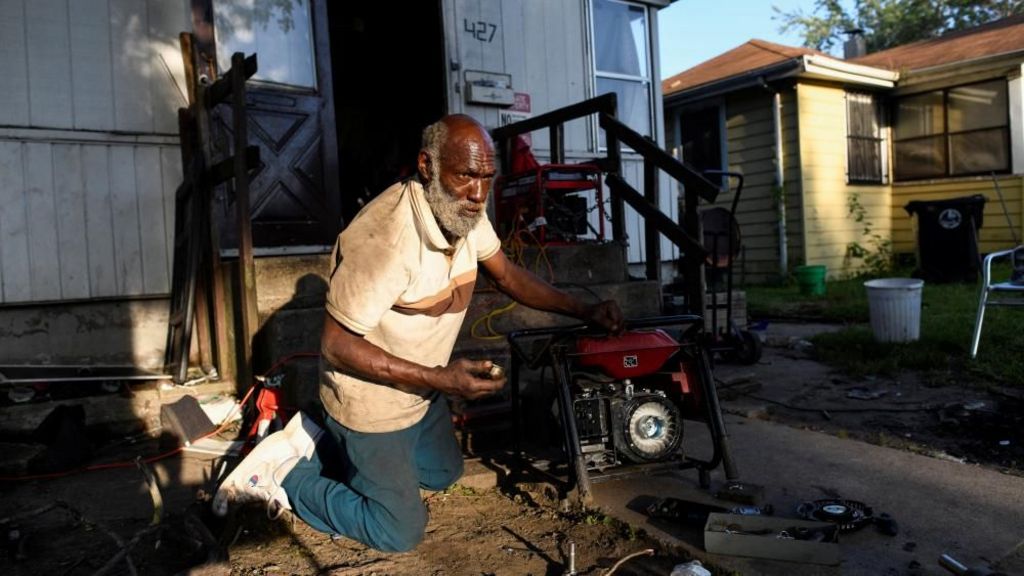
Residents have reported difficulties accessing food, maintaining hygiene, and powering medical devices, such as oxygen tanks. Some residents, like 77-year-old Terry Dubois, have relied on friends for non-perishable food and power banks to charge mobile phones. The charity World Central Kitchen has arrived in the area to provide food assistance. In response to the duration of the outage, local residents filed a class-action lawsuit against Nipsco, alleging the utility failed to properly manage trees that fell on power lines. Nipsco stated it would "vigorously" defend itself against the claims and cited the severity of the storm damage as the cause for the delay.
The scale of the disruption has impacted local commerce and public safety, with gas stations, pharmacies, and supermarkets forced to close in the days following the storm. In Gary, residents noted that street lights remained dark, leaving roads "pitch black" at night. Indiana Governor Mike Braun has criticized the pace of the utility’s response, stating there was "no excuse" for the length of the delay. He has requested an expedited major disaster declaration from the Federal Emergency Management Agency (FEMA), an agency responsible for coordinating federal disaster response, to unlock additional resources for the affected communities.
The situation sets a precedent for how aging industrial infrastructure and utility maintenance programs handle increasingly frequent extreme weather events. The ongoing legal action will test utility liability regarding preventative tree maintenance and storm readiness. Nipsco has estimated that electricity for all Gary residents will be restored by Wednesday, roughly 15 days after the initial storm. Further assistance depends on the timing of a federal disaster declaration, while local faith leaders and officials continue to pressure the utility to deploy additional crews to the field.