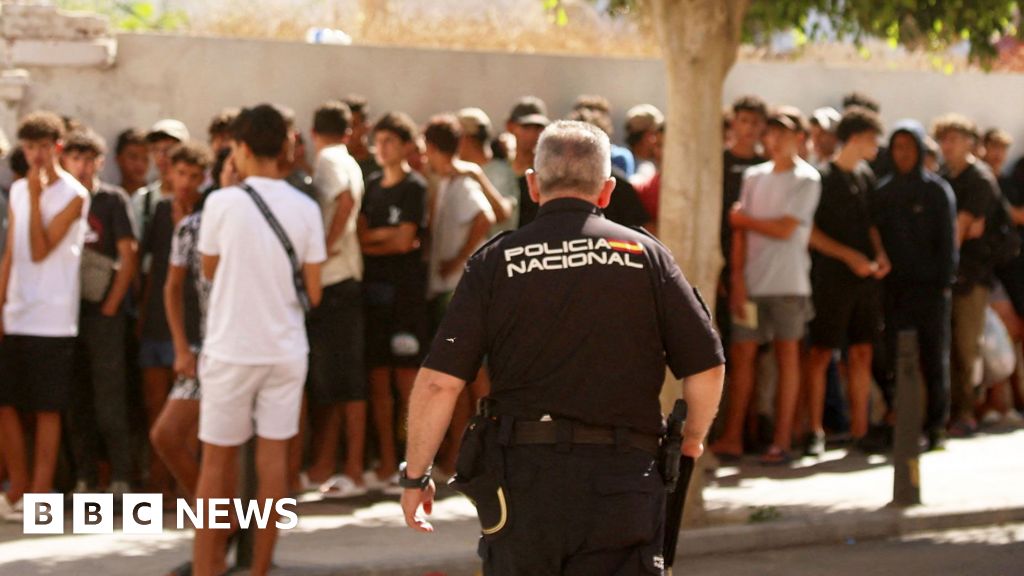
Juan Jesús Vivas, the mayor-president of the Spanish territory of Ceuta, told the European Parliament on Thursday that between 3,000 and 5,000 migrants remain in the North African exclave. The statement follows an influx last week in which approximately 78,000 people crossed from Morocco by sea within a few hours, resulting in 100 reported deaths.
The border situation has led to diplomatic friction between Spain and Morocco, which does not recognize Spanish sovereignty over Ceuta and Melilla. The mass arrivals occurred after a Spanish Supreme Court ruling that migrants stopped at sea while attempting to reach these territories cannot be summarily returned to Morocco. EU Migration Commissioner Magnus Brunner and Prime Minister Pedro Sánchez have also attributed the event to disinformation spread by criminal networks.
Vivas stated that while nearly 75,000 people have returned to Morocco, the territory continues to face a humanitarian emergency and public order disturbances. He characterized the national government's response as late and insufficient, noting that local officials had previously warned of a potential increase in sea crossings. In response to the crisis, the Spanish government deployed armed forces to the coast and allocated €25 million ($28.8 million) to assist minors.
Registration efforts are ongoing, though official and volunteer figures differ. While Spanish newspaper El Mundo reported that volunteer groups have registered 4,860 migrant children, Vivas noted that returning minors is difficult because it requires their consent under current regulations. No migrant children have yet been moved to mainland Spain, as local authorities in various regions have shown reluctance to accept them.
The event has triggered significant changes in European travel and legal precedent. Italy, Finland, and Denmark have suspended their open-border Schengen arrangements with Spain, and the Czech Republic has called for Spain's temporary suspension from the area. This means travelers and workers who previously moved freely between these nations may now face passport checks and border delays. Furthermore, the Spanish Supreme Court ruling has effectively ended the practice of summary returns for those caught at sea, fundamentally altering how border agents must handle arrivals.
Future impacts depend on diplomatic negotiations between Spain, Morocco, and the EU. Commissioner Brunner suggested that the EU may use visa policies and trade agreements as leverage to secure Moroccan cooperation on border management. Meanwhile, reports of new social media calls for mass crossings suggest the possibility of further arrivals. The Spanish Interior Ministry stated it is working with Morocco to prevent future border violations and plans to return the remaining migrants as soon as possible, though no specific deadline was provided.