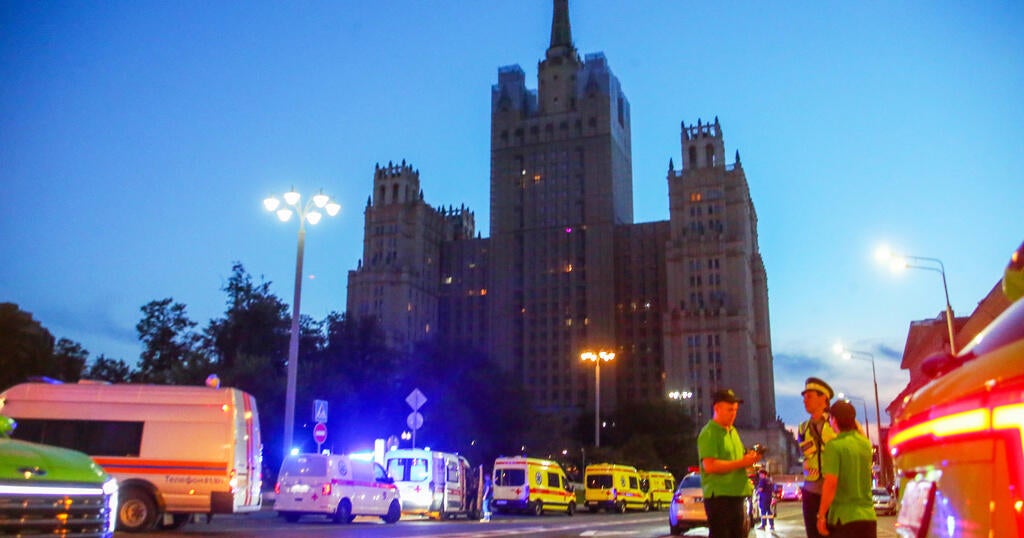
A bombing at a Moscow restaurant on Saturday killed three people and injured 21 others, according to Russian officials. Russia's national anti-terrorism committee stated the blast was caused by a homemade explosive device detonated inside the establishment.
The incident occurred amid a series of similar attacks targeting public figures and infrastructure in Russia since 2022. Previous bombings have targeted military officers, bloggers, and political commentators, including the 2022 killing of Daria Dugina and the 2023 assassination of military blogger Vladlen Tatarsky.
According to the Tass state news agency, the three fatalities included a woman who allegedly carried the device into the restaurant, a security agent who intercepted her, and one customer. Moscow Mayor Sergei Sobyanin described the event as a terrorist act and confirmed that the 21 injured individuals were transported to city hospitals for treatment.
The scale of this event adds to a growing list of targeted bombings in Russian urban centers. Over the last three years, these incidents have resulted in dozens of casualties and high-profile deaths, such as the December 2024 killing of Gen. Igor Kirillov and the April 2025 car bombing of Gen. Yaroslav Moskalik. For the average resident, these events contribute to a shift in the domestic security environment, where public spaces are increasingly viewed through the lens of potential conflict-related risks.
The bombing also sets a precedent for how Russian authorities manage internal security during the ongoing conflict in Ukraine. The Moscow Investigative Committee has opened a formal inquiry, and the outcome may influence future legislation regarding surveillance or public gatherings. As of this report, no group has claimed responsibility for the attack. Further updates are expected as forensic specialists complete their work at the site and hospital officials provide updates on the condition of the wounded.