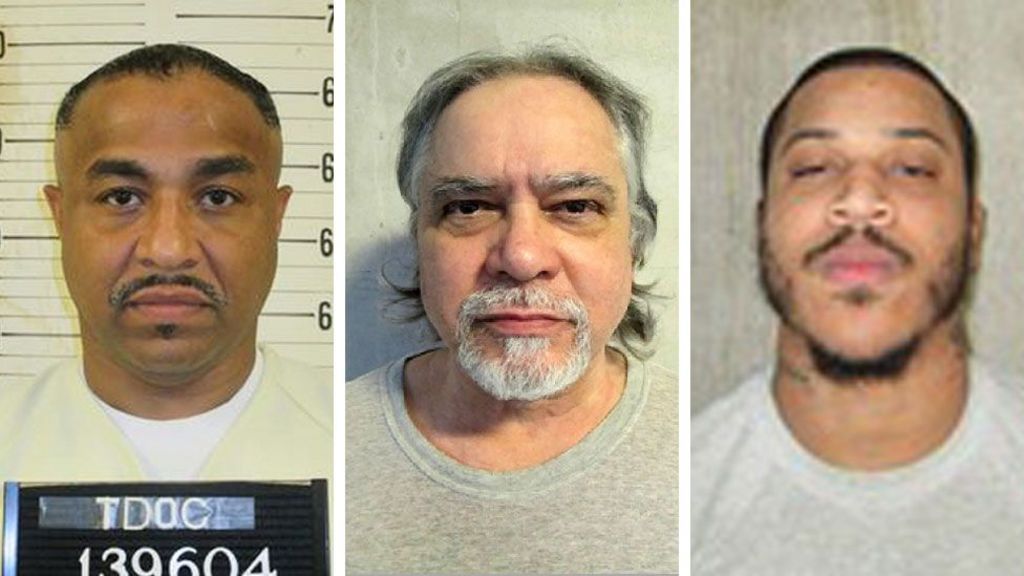
Three men convicted of murder are scheduled to be executed on Thursday in Tennessee, Alabama, and Oklahoma. Anthony Darrell Hines, 66, Jeremy Williams, 41, and Carlos Cuesta-Rodriguez, 71, are the first three individuals to face execution on the same day in the United States in 16 years. Hines has maintained his innocence for four years and is currently bedridden, while Williams and Cuesta-Rodriguez have both declined to seek clemency for their respective crimes.
The scheduled executions occur amid a reported increase in capital punishment across the country. In 2025, there were 47 executions nationwide, more than four times the 11 executions recorded in 2021. This rise follows the reinstatement of the federal death penalty by President Donald Trump via executive order on the first day of his second term in 2025. While no federal executions have occurred since that order, the Department of Justice has expanded execution protocols to include firing squads and lethal injections.
Data indicates that Florida accounted for approximately 40% of all U.S. executions in 2025 and 12 of the 19 executions recorded so far in 2026. Governor Ron DeSantis (R-FL) has championed legislative changes to facilitate the process, including lowering the jury threshold for death penalty recommendations from a unanimous 12 to eight jurors. Proponents like Florida State Attorney William Sheiner describe the death penalty as an appropriate punishment for heinous crimes, while critics point to a decline in public support and concerns over botched procedures.
For the general public, the concrete change is reflected in jury service and state policy. While 52% of Americans surveyed by Gallup find the death penalty morally acceptable—the lowest level since the 1970s—the number of death sentences issued by juries has dropped from over 300 per year in the 1990s to 23 in 2025. Readers may notice these trends through more frequent execution dates and legislative debates over execution methods, such as South Carolina’s 2025 shift to firing squads due to a shortage of lethal injection drugs.
The knock-on effects include increased legal challenges regarding execution methods and the sourcing of pharmaceutical drugs. Organizations like the Death Penalty Information Center note that botched executions, such as a failed IV attempt in Tennessee in May, have led some governors to issue reprieves while others continue to streamline processes. What happens next depends on the scheduled executions this Thursday; if they proceed, they will mark a significant frequency not seen in over a decade, while federal courts and state legislatures continue to review the protocols for future cases.