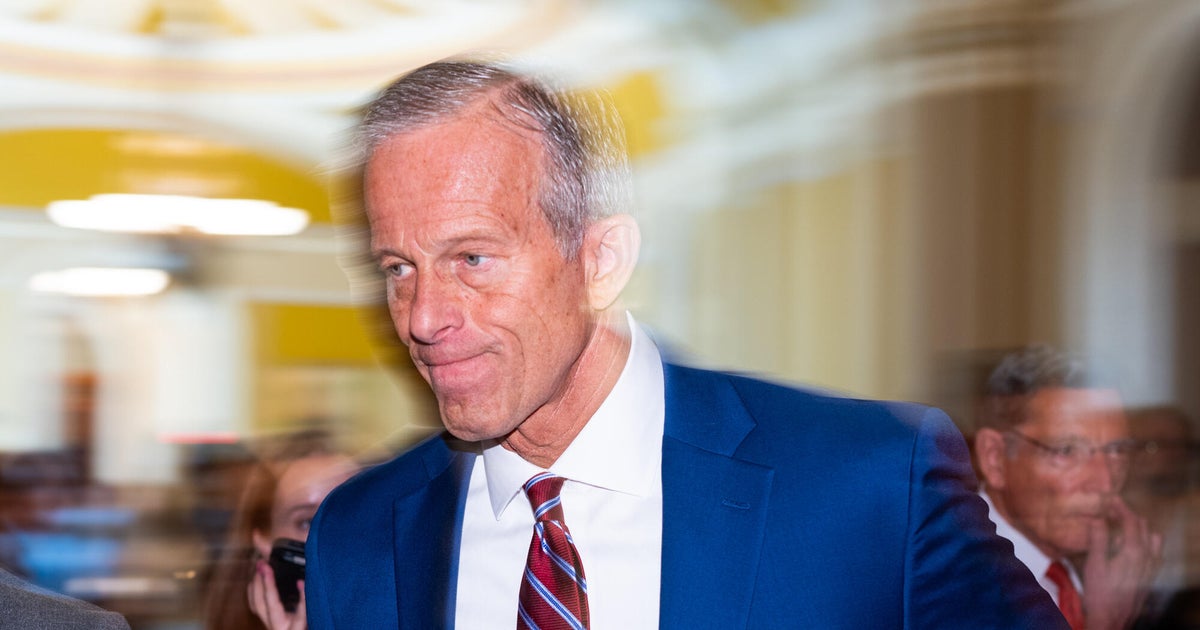
Senate Majority Leader John Thune (R-SD) is conducting a final campaign tour to support Republican candidates as the party seeks to maintain its Senate majority in the upcoming midterm elections. On Friday, October 23, 2026, Thune campaigned in Iowa with Rep. Ashley Hinson (R-IA), who is running for the seat held by retiring Sen. Joni Ernst (R-IA). The campaign swing comes as Republican candidates face a political environment shaped by a war with Iran, high gasoline prices, and internal party pressure regarding legislative priorities.
Thune, who was elected leader by his conference two years ago to succeed Sen. Mitch McConnell (R-KY), has spent his tenure navigating the White House agenda while maintaining the Senate’s legislative traditions. While the Senate has passed measures related to tax policy, border security, and fentanyl, it has faced criticism from the right for failing to pass the SAVE America Act. The bill, which would require proof of citizenship for voting, lacks the 60 votes necessary to overcome a filibuster, a Senate rule Thune has refused to abolish despite requests from President Trump.
During the Iowa tour, Thune and Hinson participated in a business roundtable in Sioux City and visited the Iowa Air National Guard. Hinson is facing Democrat Josh Turek in a race that nonpartisan analysts now describe as a tossup. Thune told reporters that the election represents a choice between "two very different paths," acknowledging that while short-term issues like gas prices are a factor, he believes Republican policies have set the economy up for growth.
The scale of the political challenge is reflected in the shifting electoral map. While Republicans initially held a geographic advantage, analysts from Sabato's Crystal Ball at the University of Virginia now rate the chance of Republicans holding the Senate as "50-50 at best." The war with Iran, which began in February 2026, has led to increased fuel and grocery prices, affecting household budgets across the country. In states like Iowa, farmers are also managing higher input costs resulting from ongoing trade tensions.
The Senate is scheduled to reconvene a week after the November 3 election to hold a secret-ballot vote for its leadership. While Thune currently faces no formal challengers, the results of the midterms will determine whether he serves as Majority or Minority Leader. If his party retains control, Thune has outlined a 2027 agenda that includes regulating artificial intelligence, permitting reform for energy projects, and a bill to regulate college sports. Next week's vote will determine which party holds the subpoena and legislative power in the chamber for the next two years.