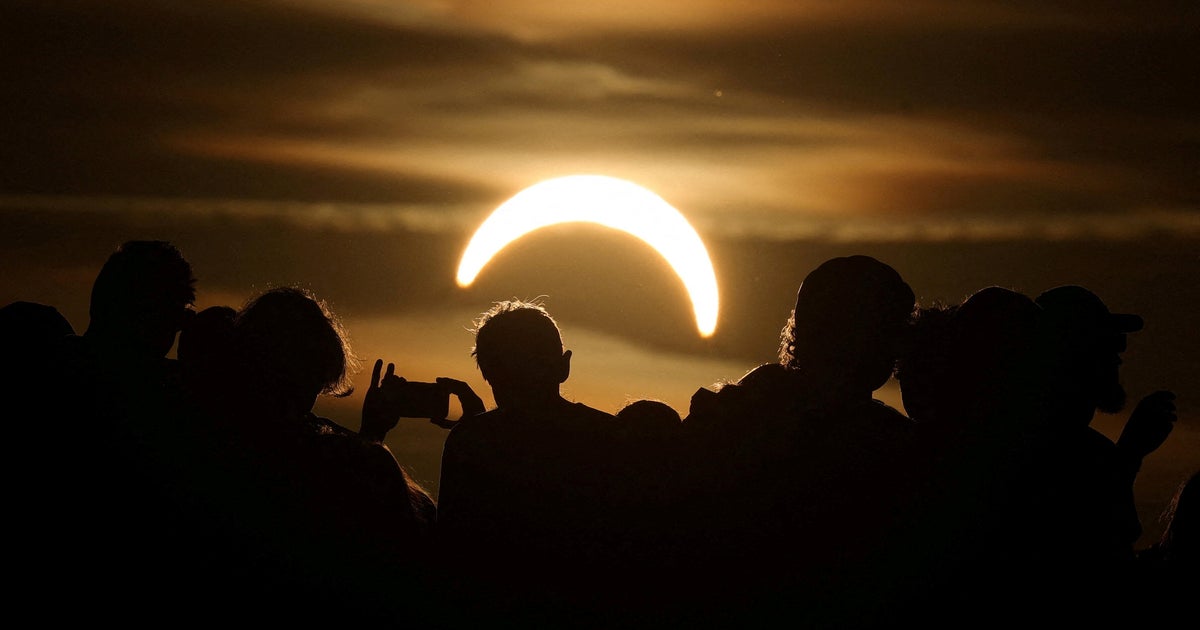
A total solar eclipse occurred across the Northern Hemisphere on Wednesday, August 12, 2026, marking the first time in 27 years such an event was visible in Europe. The path of totality, where the moon completely obscured the sun, traveled across northern Russia, Greenland, Iceland, and northern Spain.
The event, which lasted approximately one hour and 45 minutes from start to finish, drew crowds across the continent to witness the celestial phenomenon. In Spain, the event represented the first total solar eclipse visible in the country since 1905. While the path of totality was relatively narrow, a partial eclipse was visible to millions across broader sections of Europe and North America.
According to data from the Center for International Earth Science Information Network at Columbia University, approximately 230 million people reside in areas that experienced 90% totality. This included major European capitals such as Madrid, London, and Paris. In the United Kingdom, London reached its maximum coverage of 91% at 2:13 p.m. ET.
In North America, viewers saw varying degrees of a partial eclipse. Fairbanks, Alaska, experienced 37% totality at 8:27 a.m. local time, the highest percentage in the United States. Other cities recorded lower levels of coverage, including Boston at 16%, New York City at 9%, Toronto at 8%, and Philadelphia at 7%. Safety officials emphasized the necessity of solar eclipse glasses to prevent retina damage, noting they should only be removed during the brief period of total darkness.
For individuals in the United States and Canada, the impact was less pronounced, with partial coverage ranging from 7% in Philadelphia to 37% in Fairbanks. The event serves as a significant marker for astronomical tracking and public planning, as total eclipses at any specific geographic coordinate are rare, sometimes occurring hundreds of years apart. The next total solar eclipse visible from the contiguous United States is not scheduled to occur for another 18 years.
The next total solar eclipse for the United States will take place in 2044, followed by another in 2045. The 2044 event will be limited to Montana, North Dakota, and South Dakota. In contrast, the 2045 eclipse is projected to cross the country from Northern California to Florida. Residents of the northeastern United States will not see a total solar eclipse in their region until May 1, 2079.