Tourism businesses in Scotland report a rise in visitors seeking relief from record-breaking summer temperatures in Europe and the southern United Kingdom. Local business owners and travel experts describe the trend as "coolcations," where travelers intentionally choose destinations with milder climates, cloud cover, or rain to avoid extreme heat.
The shift follows a summer where large portions of England, Wales, and continental Europe experienced sustained high temperatures. While Scotland has also recorded long-term temperature rises and experienced a significant wildfire in the Cairngorms in July, it has largely avoided the extreme heat that led to major droughts and property destruction in other regions.
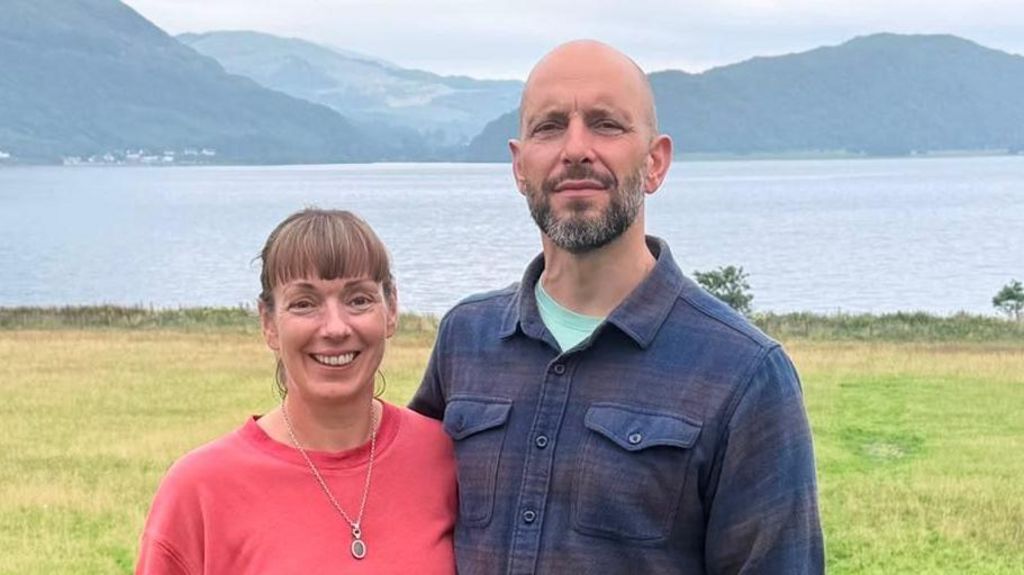
Esther and Nick Cochrane, operators of the "Beside the Loch" self-catering business near Glencoe, stated they have begun marketing their cottages specifically for the cooler climate. They reported that guests from France, Italy, Spain, and southern England have arrived specifically seeking rain and lower temperatures. Chris Greenwood of the Moffat Centre for Travel and Tourism at Glasgow Caledonian University noted that early data shows increases in flight searches to Scotland and international credit card spending.
The scale of this shift is reflected in data from travel agency trip.com, which reported a 74% increase in searches for cooler holiday destinations during the first four months of 2025 compared to the previous year. For a family traveling from London to Glencoe, the change results in a shift from "unbearable heat" that restricts outdoor movement to a climate where they can participate in kayaking and hiking. Business owners like Rob Kingsland of Rugged Coast noted that international tourists from North America and Europe are increasingly choosing the West Coast of Scotland specifically to avoid using air conditioning.
The increase in visitor numbers has led to new policy measures to manage the impact on local infrastructure. Edinburgh recently introduced a 5% visitor levy on overnight accommodation to address concerns regarding overtourism. While popular sites like the Isle of Skye face high visitor density, tourism experts suggest the "coolcation" trend could redistribute economic benefits to less-visited areas such as Moray, Aberdeenshire, Angus, and the Scottish Borders. Future growth in the sector will depend on the continued availability of quality accommodation and the ongoing tracking of flight and spending data through the remainder of the 2026 season.