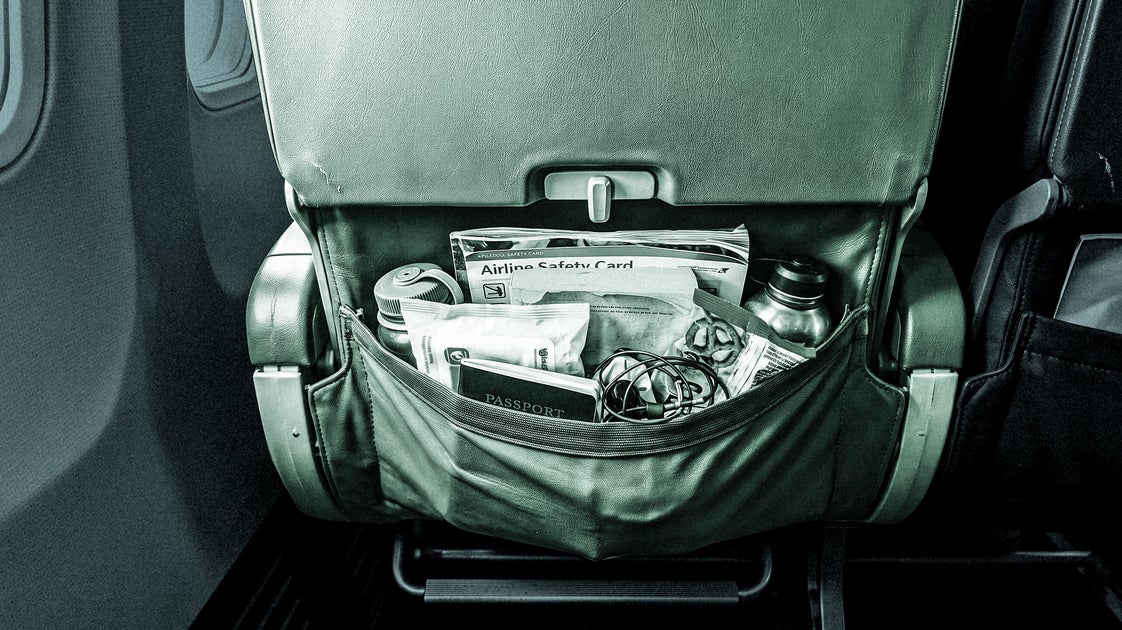
Travel industry professionals are advising passengers against using airplane seatback pockets for storing personal items due to sanitation concerns, safety regulations, and the risk of property loss. While these pockets are a standard feature in most commercial aircraft, travel experts state they are rarely cleaned and can pose risks during turbulence or emergencies.
Travel agency executives and trip planners report that the seatback pocket is frequently used by passengers as a temporary storage space for items ranging from electronics to trash. However, Federal Aviation Administration (FAA) guidelines recommend that passengers keep personal items on their person during emergencies rather than stowing them in seatback compartments. Additionally, airline policies often prohibit passengers from returning to a plane once they have deplaned, which can lead to the loss of items forgotten in these pockets.
Specific risks cited by experts include mechanical and health hazards. Kristin Freeman, CEO of FlyOver Travel, noted that seatback pockets are designed to hold only a few pounds and often lack ventilation, which can cause devices with batteries, such as laptops or power banks, to overheat. Andres Serra, a trip planner at Optimise Travel, cautioned that small items like passports or medication can slip behind safety cards and become difficult to retrieve. Furthermore, sanitation studies have indicated these pockets can harbor more bacteria than tray tables or toilet handles.
The scale of the issue is significant because seatback pockets are rarely sanitized between flights, unlike other high-touch surfaces. This means passengers who place items like lip balm, face masks, or snacks in the pockets are exposing themselves to accumulated germs from previous travelers. The suggested change for a passenger would involve keeping these items in a zipped pocket or a secure personal bag instead of the seatback. This change is most critical during red-eye or long-haul flights where fatigue increases the likelihood of forgetting items during deplaning.
The knock-on effects include increased work for flight crews who must manage items that block aisles or fly loose during turbulence, as well as the potential for battery-related safety incidents. If a device like a power bank expands or smokes due to overheating in a non-ventilated pocket, it requires immediate crew intervention. To mitigate these risks, experts suggest that travelers empty seatback pockets as soon as the first descent announcement is made. While no specific federal ban exists on using these pockets, individual airline crews may require passengers to move items that protrude from the pocket before takeoff and landing to comply with safety protocols.