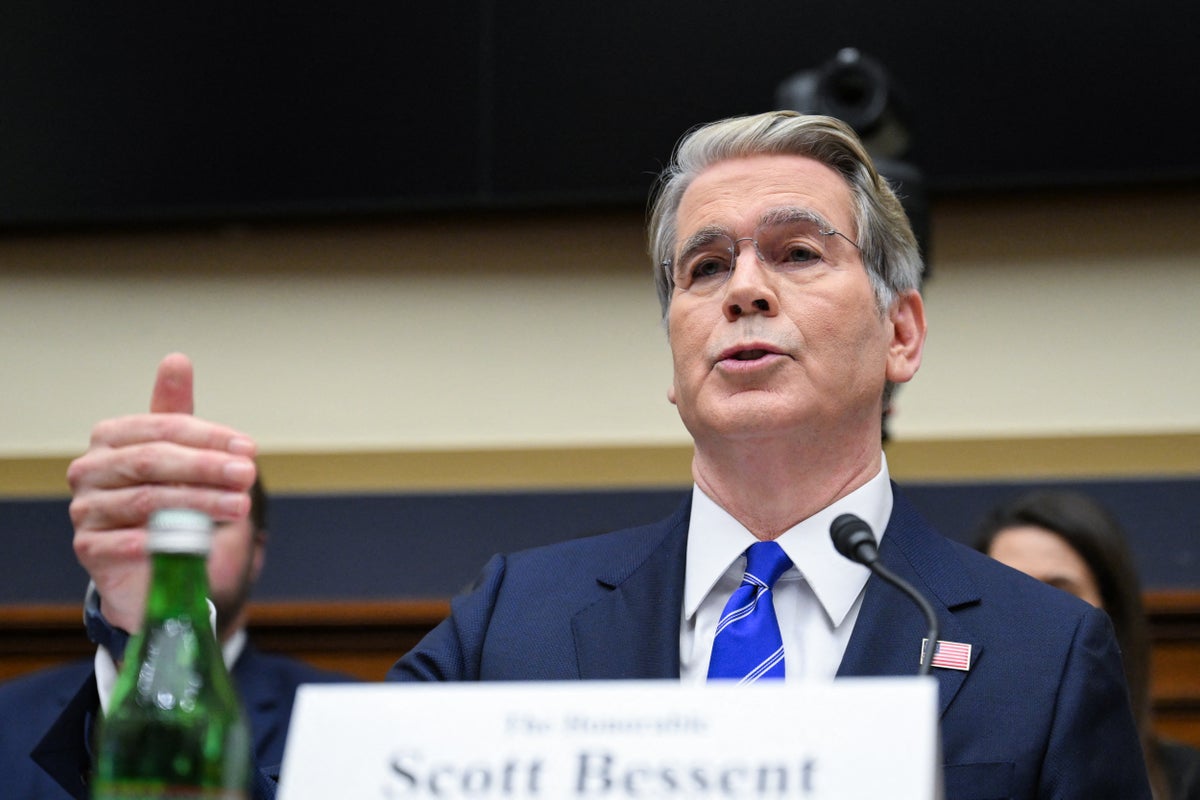
Treasury Secretary Scott Bessent told a House committee on Tuesday, September 15, 2026, that the Treasury Department is working on how to fund a proposed $5,000 payment to American adults without increasing the national debt. The proposal, which President Donald Trump has termed a "Trump Dividend," was announced during a Republican convention in Dallas last week.
During a hearing before the House Financial Services Committee, Representative Juan Vargas (D-CA) questioned whether the payments would add to the $40 trillion national debt. Bessent stated, "I believe there are ways to do it without increasing the debt," but declined to provide specific details on the funding mechanism. Bessent told the committee that the Treasury Department has been working on the matter "for quite a while" but is not yet ready to discuss the specifics.
The proposal has drawn criticism from opponents who characterize the promised payments as bribery. President Trump told CBS News that he believes his administration might not require congressional approval for the payments, though he noted he thinks Congress would provide it if needed. House Speaker Mike Johnson (R-LA) stated on Sunday, September 13, 2026, that he would work with the president on the matter, though he did not commit to being able to deliver on the checks.
At a press conference on Tuesday, September 15, 2026, Speaker Johnson described the proposal as one of the president's "creative ideas" intended to show voters that "if you want more money in your pockets, you gotta keep Republicans in charge." The proposal comes as a CBS News poll reported that 34 percent of Americans approve of the president's handling of the economy, while 66 percent disapprove. Some attribute economic difficulty for Americans paying for necessities to energy costs resulting from the president's war in Iran.
Receipt of these funds would follow the midterm elections, provided Republicans retain control of Congress. However, the exact timing of when these checks would arrive remains unknown. The national debt currently stands at $40 trillion. If the Treasury cannot identify non-debt funding sources, the program could increase the federal deficit.
President Trump has suggested he may bypass Congress to issue the payments, despite Congress typically having the "power of the purse." What happens next depends on the Treasury Department's funding plan and the outcome of the midterm elections.