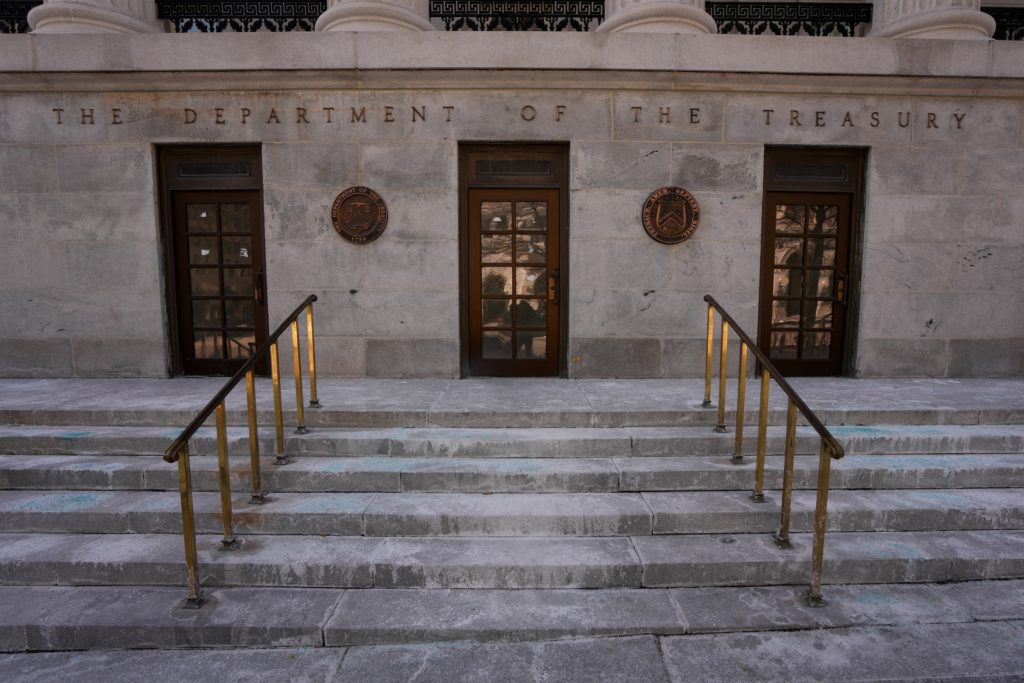
Long-term Treasury yields rose to their highest levels in nearly 20 years this week following a sustained sell-off in the bond market. The increase in yields affected financial markets on Wall Street and drew attention from officials in Washington.
Treasury yields represent the interest rate the U.S. government pays to borrow money from investors. When bond prices fall during a sell-off, these yields typically rise, which can influence interest rates across various sectors of the economy.
According to David Lynch of The Washington Post, these higher yields contribute to increased borrowing costs for consumers. The shift in the bond market directly impacts the interest rates set for common consumer loans, including mortgages and car loans.
The scale of this shift is marked by a return to interest levels not seen in approximately two decades. Small-business owners will also notice the change through higher costs for commercial credit and equipment financing, potentially affecting their ability to expand or maintain operations. Because the U.S. government is the world’s largest borrower, the increased cost to service federal debt also puts pressure on the national budget, which can impact future federal spending priorities or tax policy.
The knock-on effects extend to the broader financial markets, as higher yields on "safe" government bonds often lead investors to pull money out of riskier assets like stocks. This transition is what led to the reported volatility on Wall Street this week. While the specific peak of these yields was reached during the week of August 20, it is not yet known if the sell-off has concluded or if rates will stabilize at these levels. Investors and policymakers will continue to monitor bond auctions and Federal Reserve signals for indications of the next movement in rates.