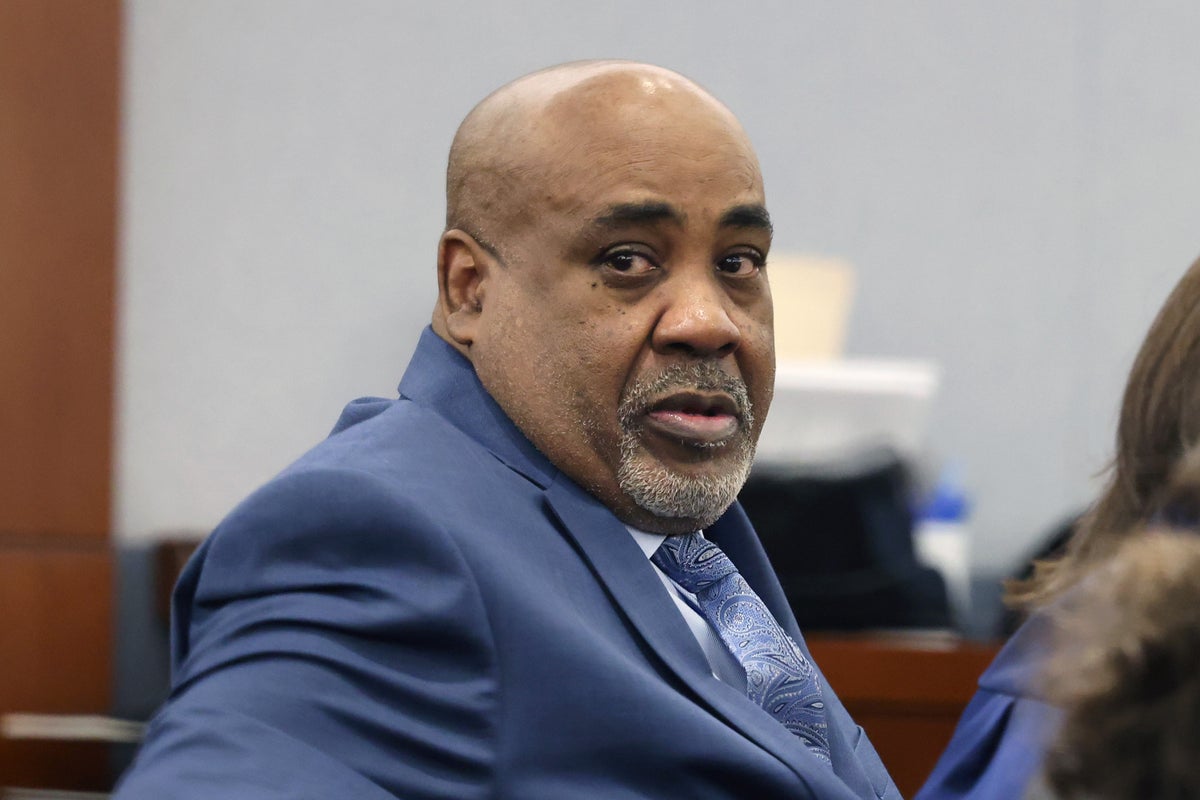
Opening statements are scheduled to begin Monday in the murder trial of Duane "Keffe D" Davis, who is accused of orchestrating the 1996 killing of rapper Tupac Shakur. Davis, 63, has pleaded not guilty to charges of murder with a deadly weapon with the intent to promote, further, or assist a criminal gang. If convicted, Davis faces a sentence of life in prison.
The trial follows decades of investigation into the Sept. 7, 1996, drive-by shooting in Las Vegas. Shakur was traveling in a vehicle driven by Death Row Records co-founder Marion "Suge" Knight when shots were fired from a Cadillac at a red light. Shakur died six days later at the age of 25. While Knight survived, the three other men allegedly in the Cadillac with Davis at the time of the shooting have all since died.
Prosecutors contend that Davis organized the shooting as retaliation for a physical altercation involving Shakur’s entourage and Davis’ nephew earlier that night at the MGM Grand. While the state does not allege Davis personally fired the weapon, Nevada law allows for a murder conviction if an individual assists another in committing the crime. The defense, led by attorney Michael Sanft, argues that Davis was not present at the shooting and that statements he made in a 2019 book were fabricated for financial gain.
The scale of the trial involves a jury of 16 people—six men and 10 women—and a witness list of up to 45 potential individuals for the prosecution. The evidence relies heavily on public statements and a book titled "Compton Street Legend" co-authored by Davis. A judge has ruled this book is admissible, meaning Davis’ own written claims that he provided the weapon and was in the vehicle will be weighed against his current claims of innocence. A person following the case would notice the state’s strategy focuses on these past admissions to bridge the gap left by the lack of a recovered murder weapon or the vehicle used in the shooting.
The proceedings set a precedent for how public admissions and memoirs can be used as primary evidence in cold case prosecutions decades after an event. The outcome may also impact the historical record of the 1990s hip-hop era, as witnesses discuss the internal dynamics of Death Row Records and the South Side Compton Crips. Testimony is expected to continue for several weeks following the opening statements as the court examines the timeline of events from September 1996.