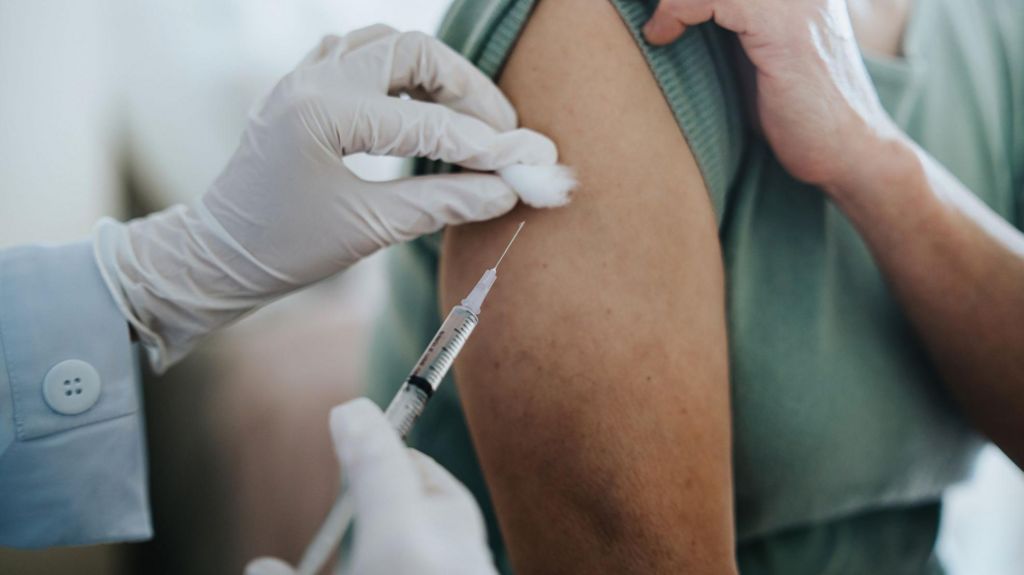
Drug manufacturers Merck and Moderna announced that a personalized vaccine used in combination with an immunotherapy drug stopped skin cancer from returning in patients during a clinical trial. The study focused on patients with high-risk melanoma who received the treatment after undergoing surgery. Early results indicated that the combination therapy extended the period patients remained cancer-free, though the companies stated it is currently unclear for how long this effect lasts.
The vaccine, named Intismeran, utilizes mRNA technology similar to that used in certain Covid-19 vaccines. To create the treatment, scientists surgically remove a portion of a patient's tumor to sequence its DNA and identify specific mutations. The resulting jab is designed to instruct the individual's immune system to recognize and attack any remaining cancer cells. This trial involved more than 1,000 patients with stage two, three, or four melanoma, ranging from those with large localized tumors to those whose cancer had spread to other organs.
According to the manufacturers, the combination of Intismeran and the existing drug Keytruda significantly increased the time patients remained cancer-free compared to those taking Keytruda alone. The companies also reported a reduction in the risk of the disease spreading to other parts of the body. While Moderna Chief Executive Stephane Bancel described the findings as a pivotal moment for cancer research, independent experts noted that the full results have not yet been released or peer-reviewed by outside scientists.
If approved, the therapy would change the standard post-surgical routine for patients. Instead of receiving only existing immunotherapy drugs like Keytruda, patients would undergo tumor sequencing to receive a custom-tailored vaccine series. The scale of the impact could eventually expand beyond skin cancer, as Merck and Moderna are currently testing similar personalized mRNA vaccines for lung, bladder, and kidney cancers. However, the timeline for when a patient might see this in a clinic remains uncertain, as the treatment must finish the trial process and clear multiple regulatory hurdles.
The findings establish a proof of principle for personalized cancer vaccines, which may influence how future oncology drugs are developed and funded. While share prices for both companies rose following the announcement, the clinical application is not immediate. Even after the peer-review process is completed, the treatment requires approval from government regulators. In the United Kingdom, for example, it would need to pass through additional health service approval processes before becoming available through the National Health Service (NHS). No specific dates for these regulatory filings or potential release dates were provided.