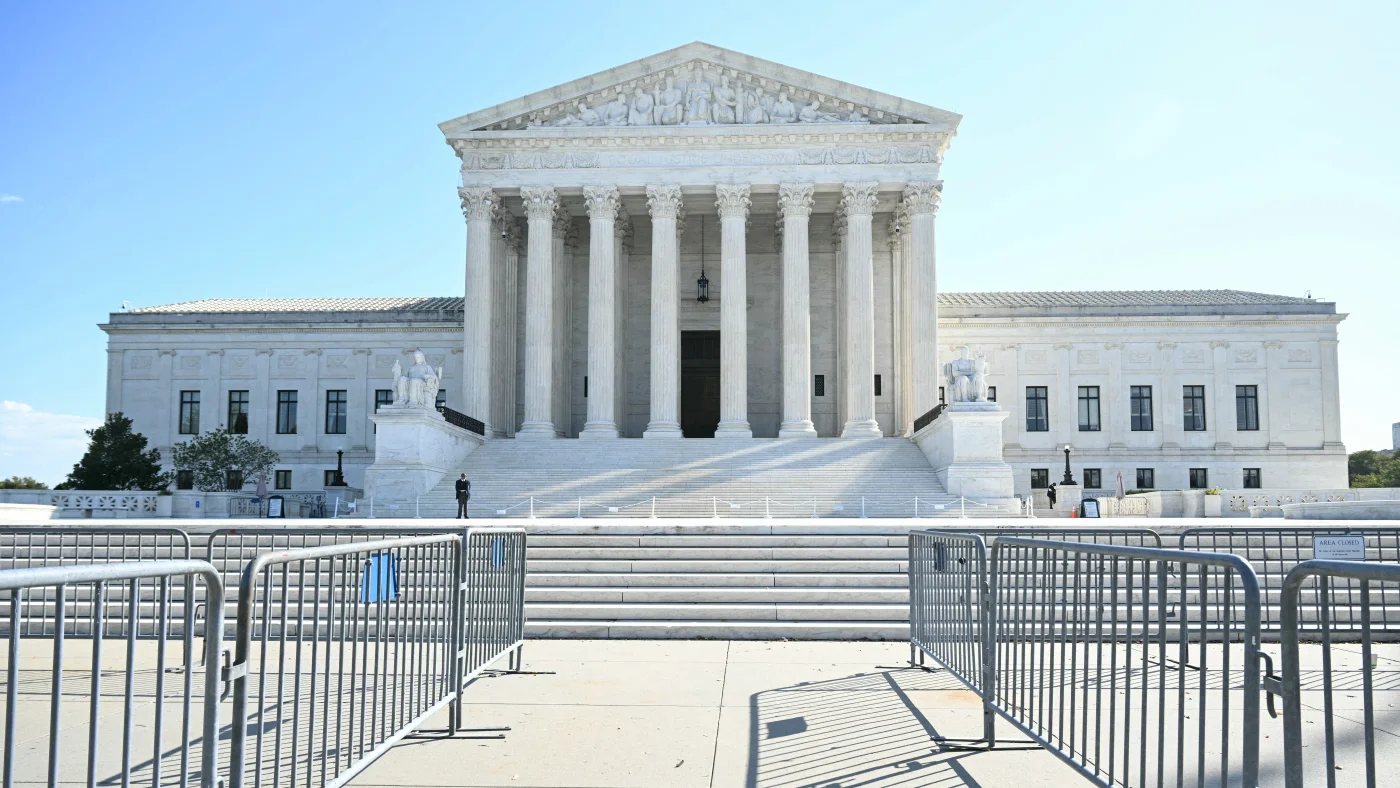
The Trump administration filed an emergency appeal with the U.S. Supreme Court on Monday, Nov. 2, 2026, seeking to force California to set aside ballots from individuals the administration identifies as suspected noncitizens. The filing comes one day before Election Day, following decisions by a federal district judge and a divided federal appeals court that rejected the Justice Department's request to segregate these ballots.
The legal dispute centers on a list provided by the DOJ containing 20,000 names of people it claims are registered to vote despite lacking U.S. citizenship. California state officials and Los Angeles County election authorities have challenged the accuracy of the list, arguing that many individuals on it have not been mailed ballots or are naturalized citizens. A recent analysis by the UCLA Voting Rights Project found that 42% of the names on the federal list did not appear on current voter rolls.
In the Supreme Court filing, Solicitor General D. John Sauer argued that once these ballots are commingled with others, they cannot be recovered, which he claimed would dilute lawful votes. However, a three-judge panel of the 9th U.S. Circuit Court of Appeals ruled 2-1 on Friday, Oct. 30, that altering election procedures during active voting would be infeasible and risked disenfranchisement. The majority cited the Purcell principle, which discourages court-ordered changes to election rules shortly before an election, and the National Voter Registration Act, which restricts systematic voter removals within 90 days of a federal election.
The scale of the dispute involves 20,000 names out of more than 23 million registered voters in California. As of Sunday, Nov. 1, approximately 6 million mail ballots had already been returned statewide. For the individuals on the list, the change would be a delay or potential rejection of their ballots. This occurs against a backdrop of federal pressure on local officials; the Justice Department recently issued grand jury subpoenas to Los Angeles County election employees and warned of potential criminal prosecution for counting ineligible votes.
A ruling from the Supreme Court would clarify the application of the Purcell principle during a period of active mail-in voting. While the DOJ filed its notice on Monday, Nov. 2, it is not yet known if the high court will act before the polls close on Tuesday, Nov. 3. For now, California officials are continuing to process all received ballots under existing state laws and previous lower court orders.