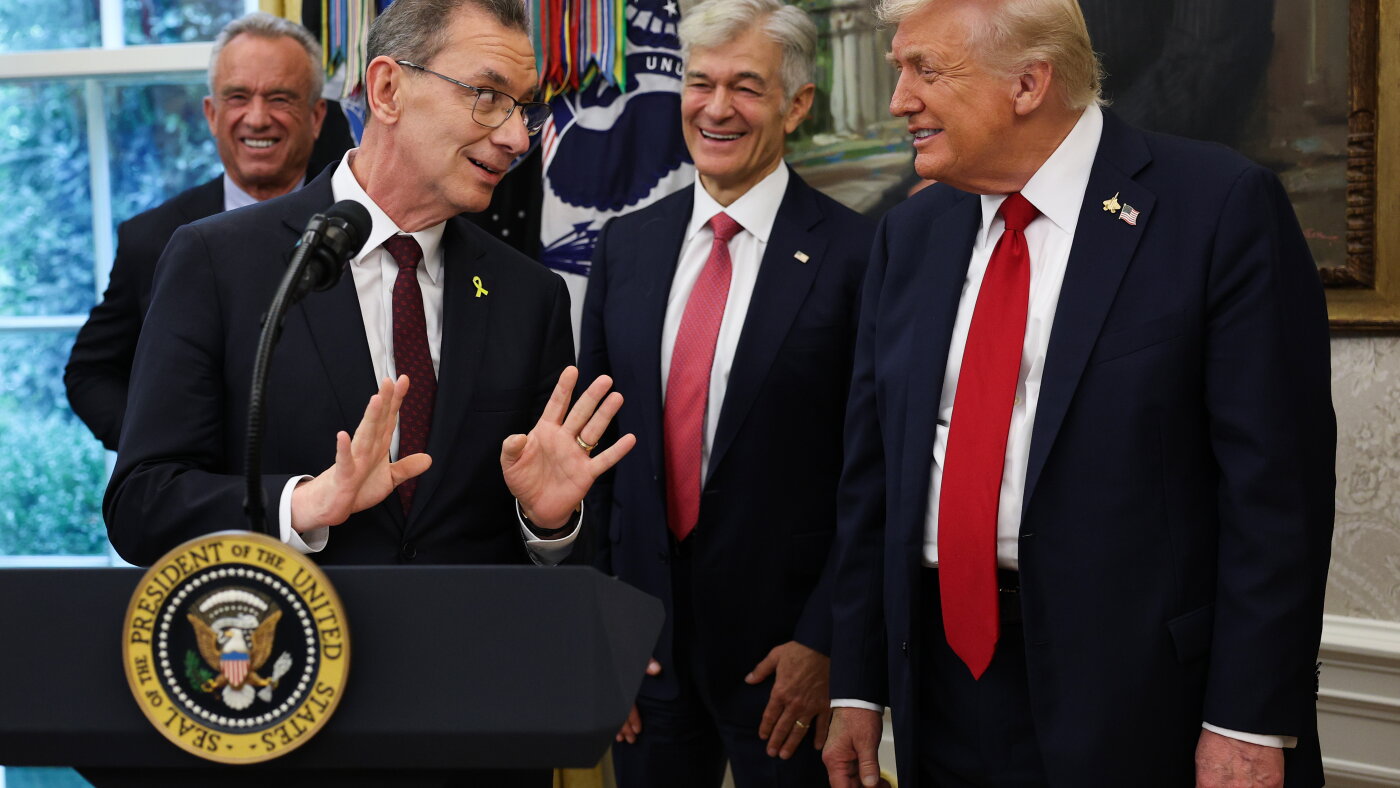
The Trump administration has launched a voluntary pilot program, known as the Generous model, intended to lower prescription drug costs for Medicaid enrollees by aligning them with "most favored nation" international prices. While President Trump stated on September 30, 2025, that participating companies would offer all their medications to Medicaid, current details from pharmaceutical companies and health researchers indicate that the scope of the discounts may be more limited. The program relies on voluntary agreements from drug manufacturers and requires individual states to opt into the model.
Medicaid, a taxpayer-funded health program for low-income and disabled Americans, covers 66 million people. According to the health policy research group KFF, net spending on prescription drugs within the program rose 46% between 2019 and 2024, reaching $46 billion annually. The new initiative seeks to curb these costs through confidential agreements with pharmaceutical companies, 26 of which the White House says have signed on.
Several major drug manufacturers told NPR that their participation in the Generous model will be restricted to specific medications rather than their entire catalogs. Gilead reported it will offer selected products for HIV and hepatitis, while Sanofi cited medicines for diabetes, cancer, and cardiovascular conditions. Eli Lilly stated it would exclude its GLP-1 medications, which are part of a separate Medicare pilot. The Centers for Medicare and Medicaid Services (CMS) has not disclosed the specific list of discounted drugs or the terms of the confidential agreements.
A resident in an opting-in state might see changes in how they access certain treatments, but these changes carry financial trade-offs for state governments. Because states must balance their budgets annually, Jack Rollins of the National Association of Medicaid Directors noted that increased access to high-cost drugs—even at a discount—could strain state funds if more patients utilize them simultaneously. To receive the lower prices, states must also adopt standardized coverage criteria, potentially losing the ability to use "prior authorization" or "step therapy" rules, where patients are required to try cheaper alternatives first.
The next steps for the program involve finalized commitments from state governments. While the application deadline for states was September 10, officials have until September 30 to sign binding agreements. States like Massachusetts and California have expressed interest or intent to apply, though California indicated it would use the process to gather more details before fully committing. The timeline for when enrollees might see these prices reflected at the pharmacy has been affected by previous delays in signup deadlines for both manufacturers and states.