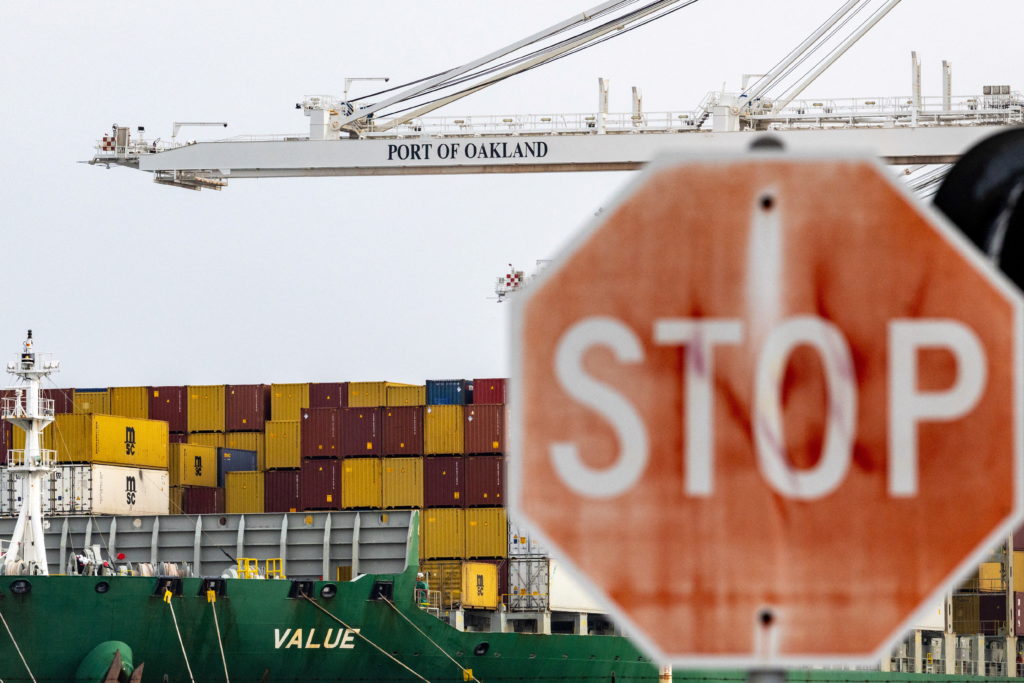
The Trump administration announced Thursday it will impose new tariffs ranging from 10% to 12.5% on imports from 60 countries, effective Friday at 12:01 a.m. The action follows the expiration of temporary 10% global levies that were implemented for a 150-day period under Section 122 of the Trade Act of 1974. The administration stated these new measures are based on Section 301 of the same Act, citing inadequate enforcement of forced labor bans by the targeted trading partners.
U.S. Trade Representative Jamieson Greer said the tariffs are intended to address human rights abuses and trade practices that disadvantage workers. While the administration initially planned for higher rates, some countries, such as India, saw their rates adjusted from 12.5% to 10% after reportedly tightening labor enforcement. Certain commodities, including oil, gas, and fertilizer, are exempt, as are goods covered under the U.S.-Mexico-Canada Agreement (USMCA).
The transition to Section 301 tariffs comes after the Supreme Court previously ruled that the administration could not use the International Emergency Economic Powers Act to impose broad tariffs. Human rights organizations, such as The Human Trafficking Legal Center, expressed support for using import restrictions to combat forced labor but raised concerns regarding the lack of a phased implementation period for countries to establish enforcement mechanisms. Economic analysts note that these tariffs are paid by U.S.-based importers, who may pass costs to consumers through higher retail prices.