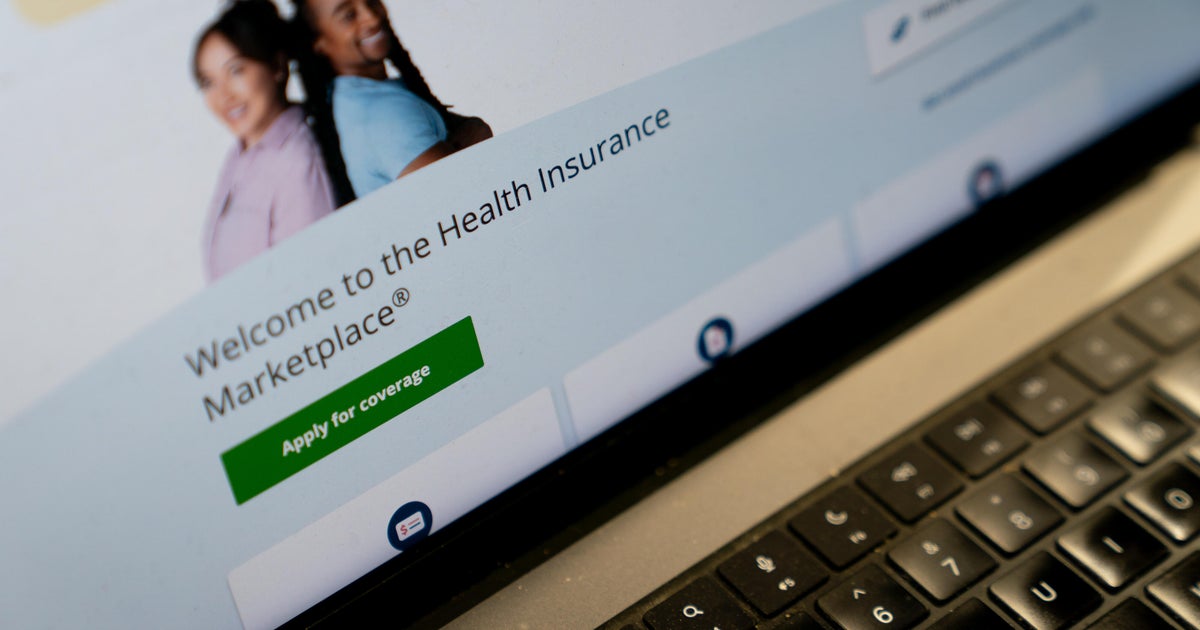
The Trump administration began mailing $500 refund checks on Wednesday, September 30, 2026, to approximately 950,000 Affordable Care Act enrollees across 30 states. Administration officials stated the payments are intended to return excess funds to individuals who use the federal health insurance exchange but do not receive government subsidies. The checks were issued alongside a letter from President Trump, who stated the money belongs to "hard-working Americans" and described the previous administration’s fee structure as an overcharge.
The refund program follows the expiration of enhanced insurance subsidies at the end of last year, a move supported by President Trump and the Republican-led Congress. The expiration resulted in increased premiums for many enrollees, with some reports indicating costs doubled or tripled for those earning above 400% of the federal poverty line. The administration said the $500 million used for these rebates comes from a surplus of "user fees" paid by insurance companies to the federal government to operate HealthCare.gov.
Eligibility for the $500 checks is primarily limited to individuals earning more than 400% of the federal poverty line—roughly $64,000 for an individual or $132,000 for a family of four—who do not receive taxpayer subsidies for their coverage. An administration official noted that some families with more than one "affected person" could receive multiple payments via check or direct deposit. The refunds are directed to 30 states that rely on the federal exchange administered by the Centers for Medicare and Medicaid Services (CMS). According to a White House tally, Texas and Florida have the highest number of eligible recipients, at approximately 139,000 and 127,900 respectively.
The timing of the payments coincides with the final month leading up to the midterm elections, as affordability, high inflation, and energy costs remain central issues for voters. The administration has positioned the move as a return of mismanaged funds, while the expiration of the subsidies that preceded these checks led millions of other enrollees to either downgrade their health plans or exit the ACA marketplace entirely. The administration previously reduced funding for exchange outreach and enrollment efforts, which officials said contributed to the surplus in user fees now being distributed.
What happens next depends on the delivery schedule of the Treasury Department, with mailings having commenced on September 30. Recipients in the 30 identified states, including Alabama, Ohio, and South Carolina, should monitor their mail or bank accounts for the $500 payments or the accompanying letter from the president. These refunds are separate from a different proposal mentioned by President Trump to provide a $5,000 dividend to all Americans if Republicans retain control of Congress following the November elections. No further legislative action is required for these $500 rebates to be processed.