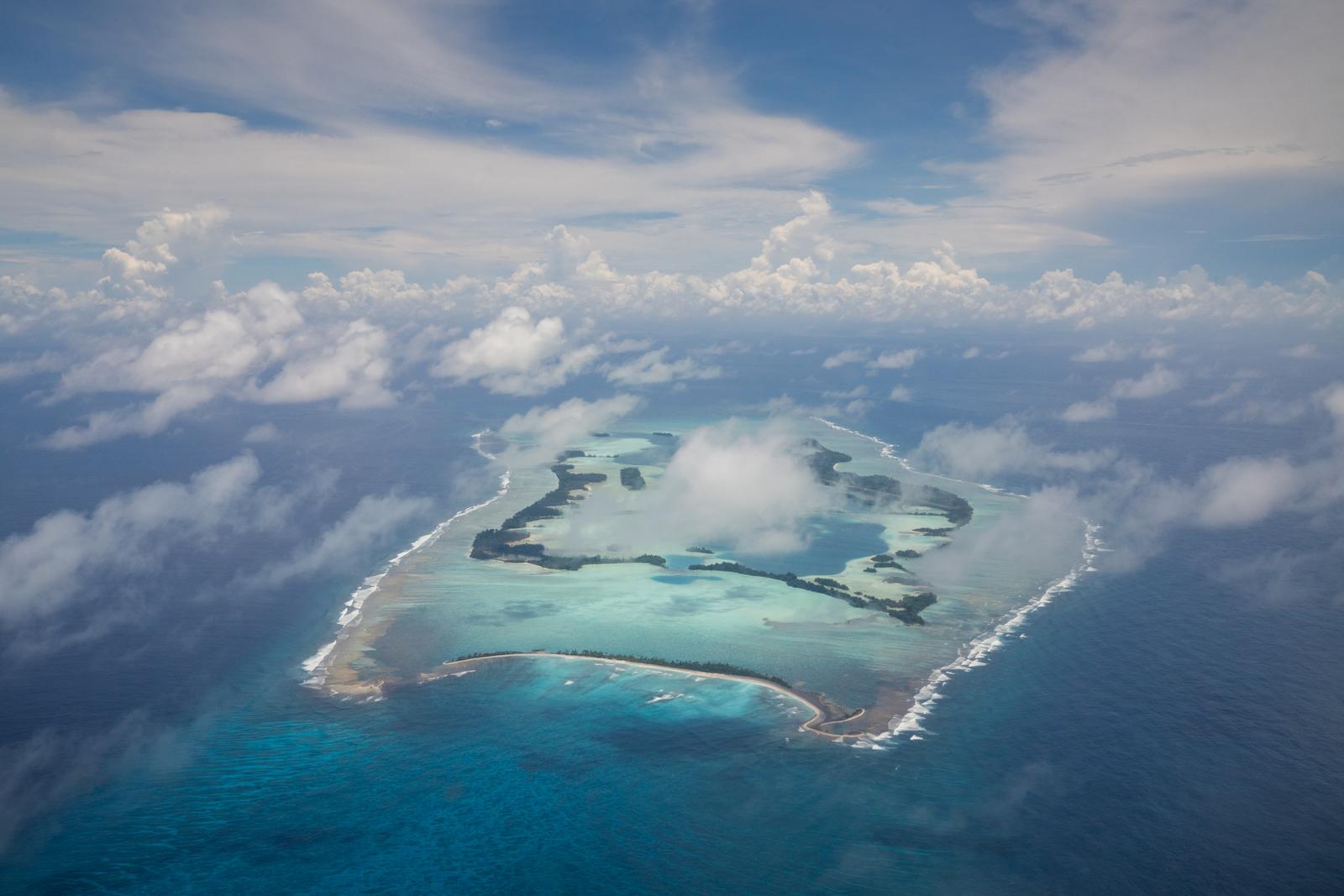
The Trump administration has issued a proclamation to open waters within three U.S. marine national monuments in the Pacific Ocean to commercial fishing. The decision affects large-scale conservation areas, including the Papahānaumokuākea Marine National Monument, which had previously been subject to strict protections that limited or prohibited commercial harvesting.
The Pacific marine monuments consist of remote islands and atolls that serve as habitats for coral reefs, seabird colonies, and predators such as sharks and tuna. These areas were established as monuments by President George W. Bush in 2009 and expanded by the Obama administration in 2014 and 2016. Proponents of the protections argue they preserve intact food chains and biodiversity, while the fishing industry has sought access to these waters to compete with foreign vessels.
President Trump stated the move is intended to "empower American fishermen" and prioritize domestic consumers. The Hawaii Longline Association supports the change, citing rising fuel costs and competition from foreign fleets on the high seas. Conversely, Native Hawaiian cultural groups and conservationists oppose the move, citing the sacred nature of the Northwestern Hawaiian Islands and the risk of bycatch, such as the 7,000 sharks caught and discarded by the fleet in 2015, the last year fishing was permitted in that area.
The scale of the impact involves more than one million square miles of the Pacific Ocean currently designated as U.S. marine national monuments and sanctuaries. Research on the effectiveness of these zones is mixed; a 2022 study indicated that yellowfin tuna catch rates rose by 54% after protections were expanded, suggesting a "spillover" effect where fish breed in protected zones and move outward. However, a 2024 study found no such evidence for yellowfin, though it noted bigeye tuna became 13% easier to catch. Conservationists argue that removing these protections weakens the ecosystem's ability to withstand climate change and warming ocean temperatures.
What happens next involves both regulatory and legal challenges. For the Pacific Islands Heritage Marine National Monument, a judge previously ruled that the administration must follow a full regulatory process through the National Oceanic and Atmospheric Administration (NOAA) to change fishing rules; a decision from NOAA is expected later this year. Additionally, conservation and Hawaiian cultural groups have announced plans to file lawsuits to challenge the opening of the other three Pacific monuments, including Papahānaumokuākea. The timeline for these court dates has not been reported.