The Plain Record

Neutral daily news — clear headlines, complete facts.

National

Trump Administration Limits Liability for Unintentional Killing of Endangered Species

A new federal directive states that unintentional killing of endangered species during industrial activities is no longer considered a violation of the Endangered Species Act.

Background: How the Supreme Court takes a case

By The Plain RecordUpdated September 18, 2026 at 2:42 PM EDT
Published September 18, 2026 at 4:40 AM EDT

The short answer

A new federal directive states that unintentional killing of endangered species during industrial activities is no longer considered a violation of the Endangered Species Act.

Updates (2)

  • Update — September 18, 2026 at 2:42 PM EDT: A new Fish and Wildlife Service directive states that killing protected species is only illegal if they are intentionally targeted, exempting accidental harm from industry activities.
  • Update — September 18, 2026 at 2:12 PM EDT: A new federal directive states that killing endangered species is only illegal if the animals or plants are intentionally targeted.
Trump Administration Limits Liability for Unintentional Killing of Endangered Species

The Facts

Who
U.S. Fish and Wildlife Service, Interior Department, and the Trump administration.
What
A revised interpretation of the Endangered Species Act that exempts unintentional or accidental killing of protected wildlife from prosecution.
When
Monday, September 14, 2026 through Thursday, September 17, 2026
Where
United States
Why
To align agency policy with a 2024 Supreme Court ruling and reduce regulatory liability for industries like logging and construction.

The Trump administration issued a revised federal interpretation of the Endangered Species Act this week, stating that the unintentional killing of protected animals during activities like logging or dam construction is no longer illegal. A directive sent to U.S. Fish and Wildlife Service (FWS) employees establishes that for a killing to be considered unlawful, the imperiled plants or animals must be deliberately targeted.

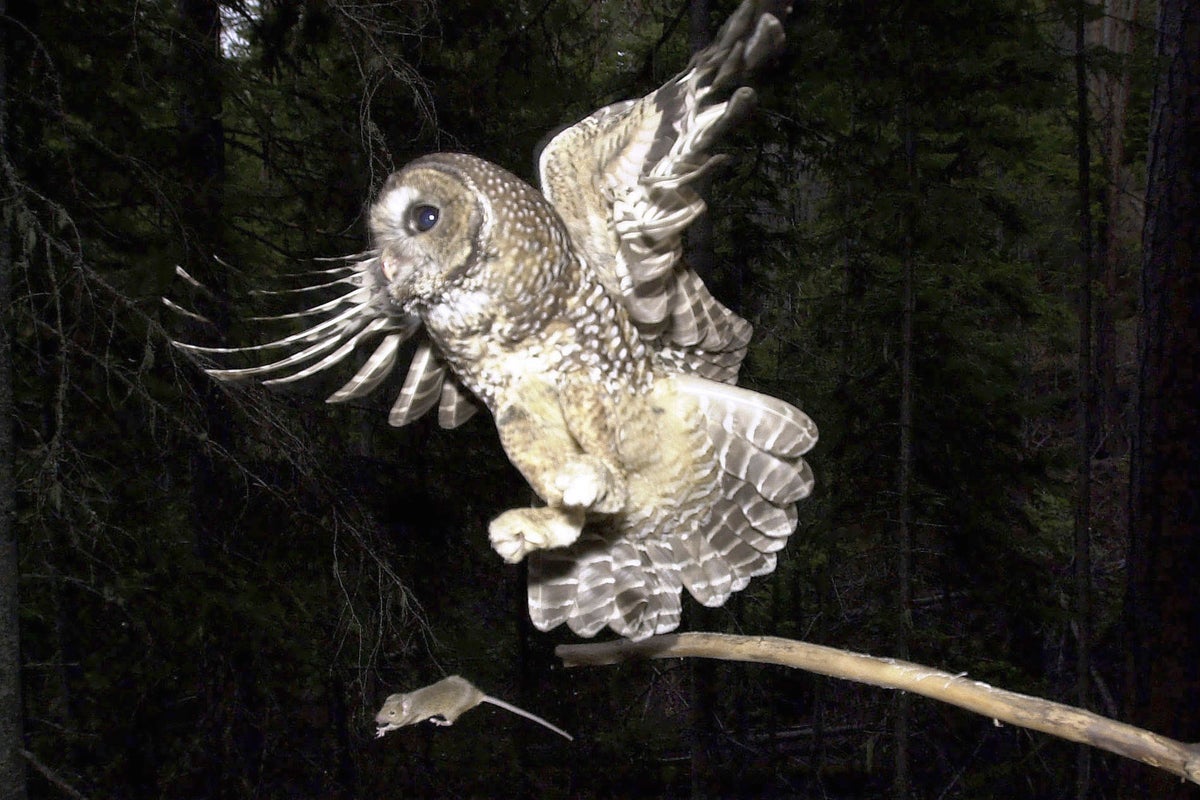
This policy shift moves away from previous agency practices that held companies and individuals accountable for accidentally harming protected species, such as grizzly bears, manatees, and spotted owls. Administration officials stated they are returning the law to its original intent following a 2024 Supreme Court decision that limited the authority of federal agencies to interpret laws passed by Congress. The new guidance specifically references a 1995 dissenting opinion by former Justice Antonin Scalia.

In a directive dated September 14, 2026, FWS Director Brian Nesvik wrote that felling a tree would not constitute an illegal "take" of roosting bats unless the tree was cut down specifically to kill or capture them. He noted that in such cases, the bats are impacted "indirectly and accidentally." The Interior Department, which oversees the FWS, stated on Thursday, September 17, 2026, that the law still prohibits actions like harassing, hunting, shooting, or trapping protected wildlife when done intentionally.

For individuals and companies, the concrete day-to-day change is a removal of the requirement to mitigate or avoid "accidental" harm to endangered species during commercial operations. Previously, federal policy defined harm broadly to include habitat destruction; under the new interpretation, a person or company would only notice a change in their legal liability and regulatory requirements, as they are no longer responsible for "easily predicted" consequences of their work on local wildlife. Critics, including former FWS Director Dan Ashe and the Center for Biological Diversity, argue this creates a loophole that will permit unpunished deaths of species, potentially accelerating extinctions.

The knock-on effects include a likely increase in legal challenges and a shift in how federal agencies prioritize wildlife protection versus industrial expansion. The policy sets a precedent for using judicial dissents to reshape environmental regulations. States and conservation groups have already filed lawsuits to overturn these changes. What happens next depends on the outcome of these court cases, as well as the implementation of the September 14 directive by FWS staff across the country.

Timeline of what happened

Key dates and decisions, in the order they occurred.

  1. 2024

    Supreme Court limits agency authority to interpret congressional laws

  2. July 2026

    Fish and Wildlife Service narrows the definition of harm under the ESA

  3. September 14, 2026

    FWS Director Brian Nesvik issues directive on 'indirect and accidental' harm

  4. September 17, 2026

    Interior Department issues statement on implementation of the new guidance

Summaries are written by The Plain Record to state the facts of a story plainly and without political slant. Drafted with AI assistance and checked against the source record before publication. See how we report, or report a correction.

← Back to the front page

Questions readers ask

What happened: Trump Administration Limits Liability for Unintentional Killing of Endangered Species?

A revised interpretation of the Endangered Species Act that exempts unintentional or accidental killing of protected wildlife from prosecution.

Who is involved?

U.S. Fish and Wildlife Service, Interior Department, and the Trump administration.

When did this happen?

Monday, September 14, 2026 through Thursday, September 17, 2026

Where did this happen?

United States

Why does this matter?

To align agency policy with a 2024 Supreme Court ruling and reduce regulatory liability for industries like logging and construction.