The Trump administration has announced a rollback of federal fuel-economy standards for new vehicles, significantly lowering efficiency targets established during the Biden administration. Under the new rules, American automakers will be required to improve fleet efficiency by up to 1% annually to reach an average of 34.9 miles per gallon (mpg) by 2031. This replaces the previous target of 50.4 mpg.
Automakers have expressed support for the change, stating that the new standards are better aligned with current consumer market demand. They also noted the shift could lower the initial sticker prices of new vehicles. However, critics of the policy argued that the rollback will lead to increased long-term fuel costs for drivers and higher levels of pollution. Additionally, some analysts expressed concern that U.S. manufacturers may lose competitive ground in international markets that are transitioning more rapidly toward electric vehicles.
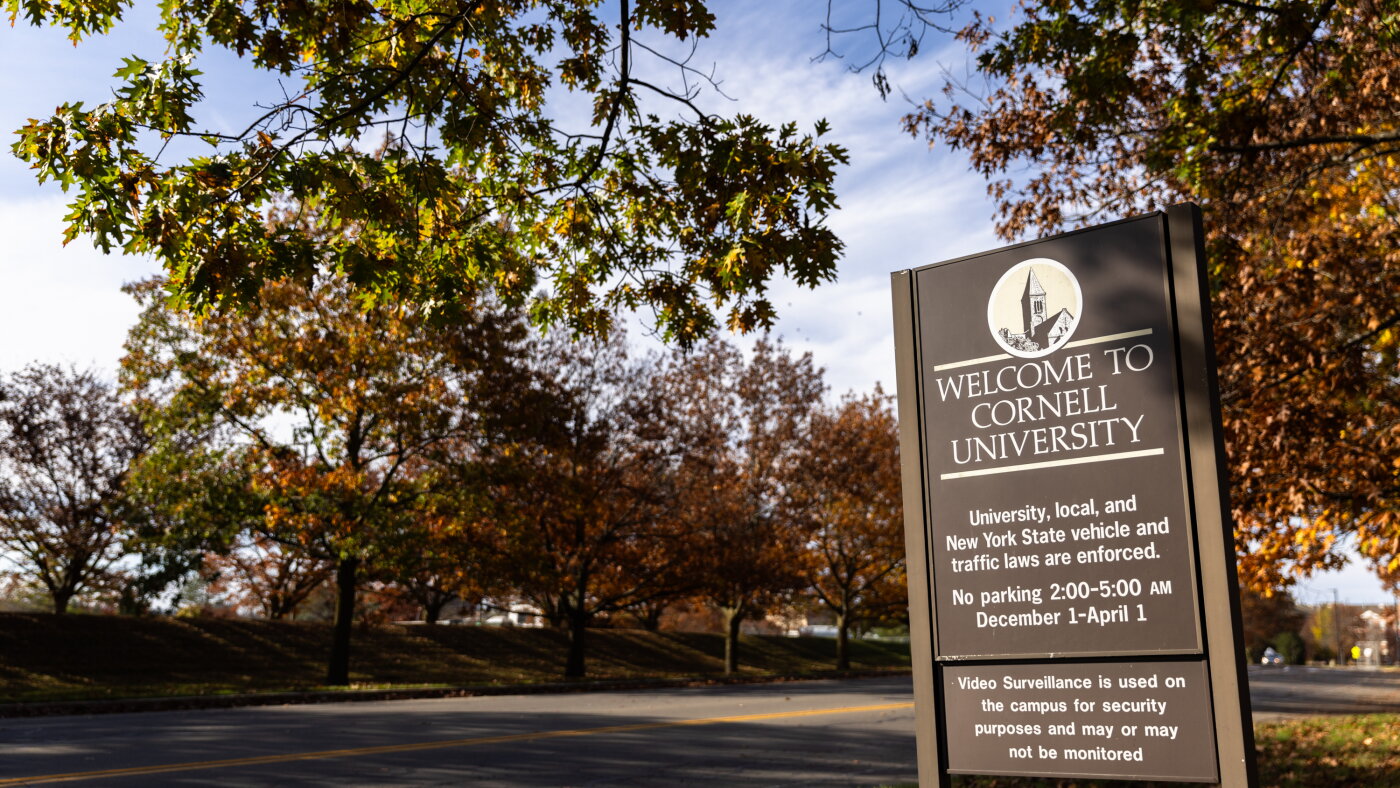
In other news, New York prosecutors have reopened a criminal investigation into a 2024 sexual assault case involving Cornell University students. A woman, identified as Jane Doe, filed a lawsuit alleging she was drugged and raped by multiple men at the Chi Phi fraternity house in October 2024. While the university stated it conducted a months-long Title IX investigation at the time, no criminal charges were filed. The case is under renewed scrutiny following reports that campus police investigated the matter without notifying local police.
In the United Kingdom, five men were released on bail after being detained near a British military base used by the U.S. military for strikes in the Middle East. Counterterrorism officials are investigating whether the men were acting as proxies for a foreign state. In regional developments, Turkey is expanding its military and political influence in the Middle East, particularly in Syria, as the U.S. signals a potentially smaller footprint in the region.
The reopening of the Cornell investigation impacts university students, administrators, and campus law enforcement protocols. The outcome of the criminal probe and the associated lawsuit against seven fraternity members may set precedents for how private universities coordinate with local law enforcement during sexual assault investigations. Students and graduates at Cornell have expressed ongoing concerns regarding campus safety and the transparency of the school’s internal Title IX processes. The university maintains that it followed proper procedures during its initial months-long inquiry.
Looking ahead, the new fuel efficiency standards are set to phase in through 2031, though the specific effective date for the initial 1% annual requirement was not reported. In the Cornell case, the criminal investigation is now active alongside a civil lawsuit filed by the complainant. In the U.K., the five men remain under investigation while on bail, with counterterrorism officials yet to determine if a foreign state was involved. Additionally, Tennessee is scheduled to execute Christa Pike on Wednesday, September 30, which would mark the state's first execution of a woman in 200 years.