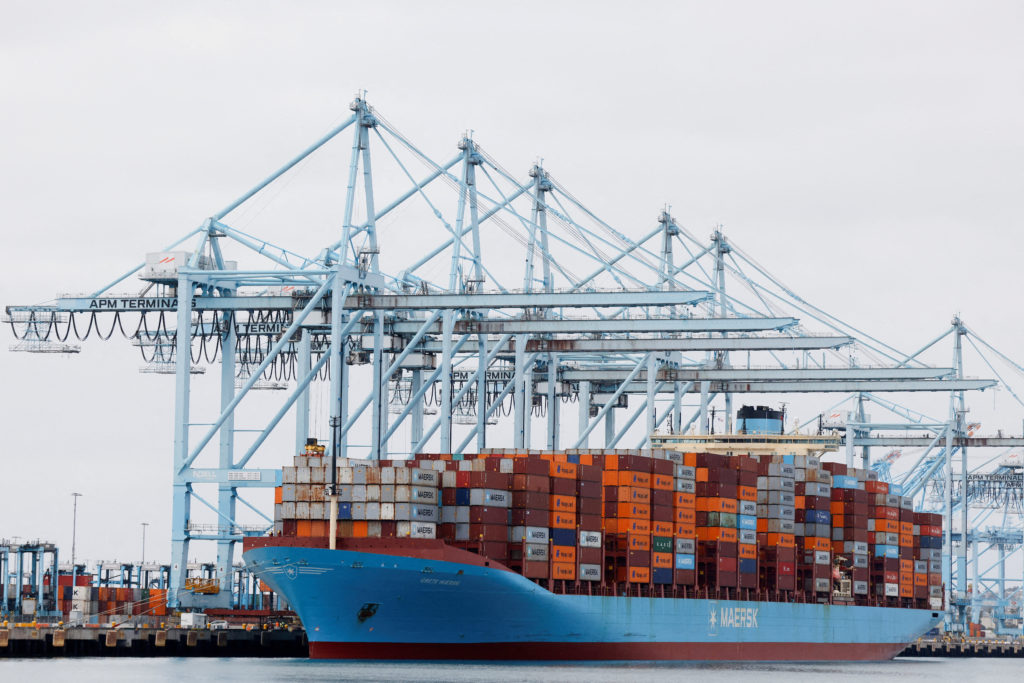
The Trump administration is attempting to implement new tariffs under Section 301 of the Trade Act of 1974 following a February Supreme Court ruling that struck down previous levies. The Supreme Court ruled that the president could not use the International Emergency Economic Powers Act (IEEPA) to impose global tariffs, a move that led to a $25.6 billion revenue loss in June as the Treasury issued refunds to importers.
The administration currently has 10% global tariffs in place under Section 122 of the Trade Act, but these are set to expire on July 24. To replace them, U.S. Trade Representative Jamieson Greer has proposed new Section 301 tariffs ranging from 10% to 12.5% on 60 countries. These new levies are based on an investigation into foreign labor practices and are intended to provide a more permanent legal basis for the administration's trade policy.
In addition to the forced-labor investigation, the administration is conducting a second Section 301 probe into alleged overproduction by 16 trading partners, including the European Union, China, and Japan. Legal analysts suggest this second investigation could lead to further tariffs later this year. While Section 301 grants the executive branch tariff authority, it requires the administration to follow specific procedural steps, including public comment periods and hearings, before the taxes can be finalized.