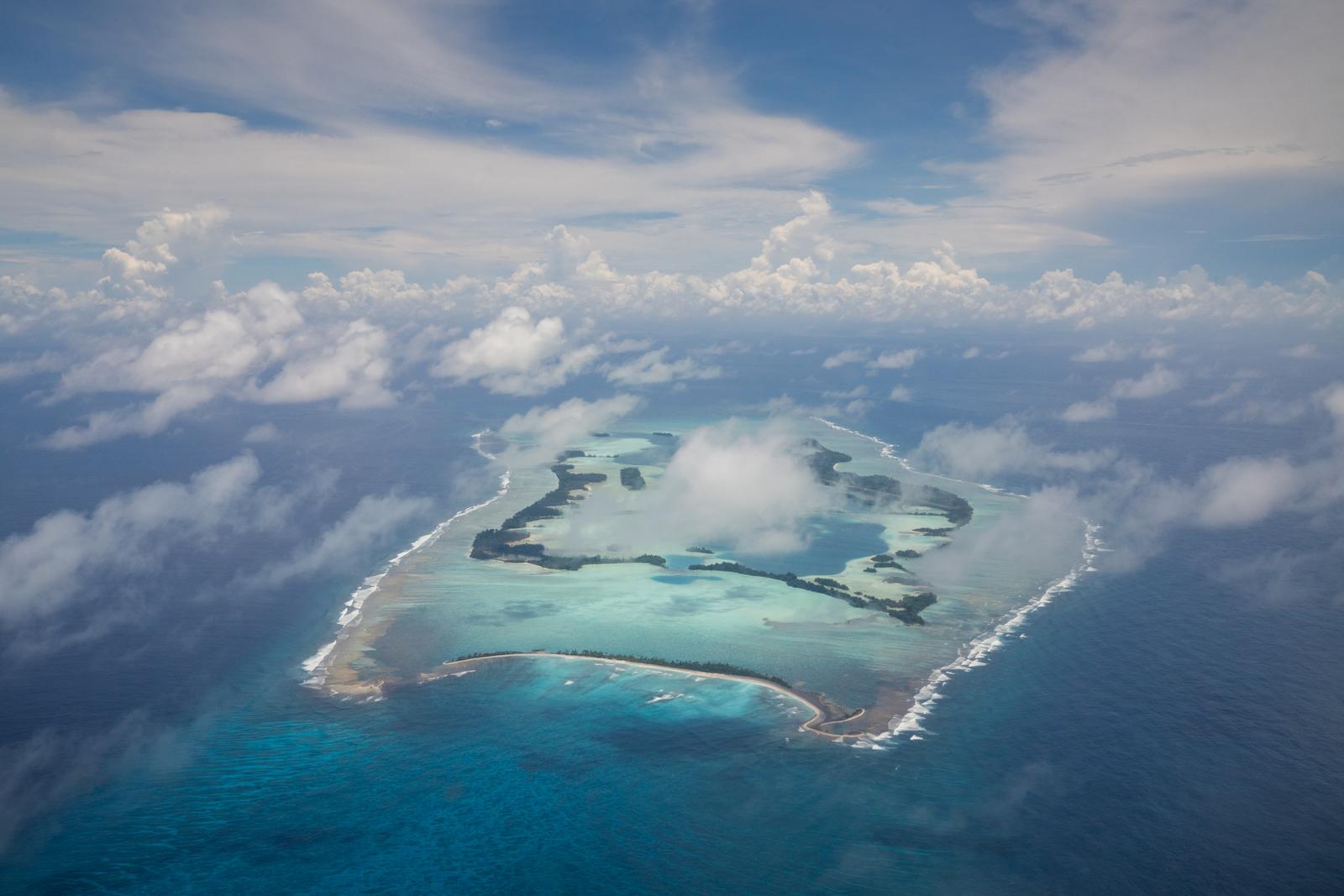
The Trump administration has issued a proclamation to allow commercial fishing in the deep waters of three Pacific marine national monuments, including Papahānaumokuākea. This decision changes regulations for more than a million square miles of ocean that were previously safeguarded as conservation areas centered on remote islands and atolls. President Trump stated the move is intended to support American fishermen and consumers.
The Pacific marine monuments were established and expanded by previous administrations to protect biodiversity hot spots. President George W. Bush created three monuments in 2009, and the Papahānaumokuākea Marine National Monument was established in 2006 before being expanded in 2016. These areas serve as nesting sites for seabirds and habitats for high densities of predators like sharks and tuna.
The Hawaii Longline Association, representing Honolulu-based fishing boats, supports the opening of these waters. Executive Director Eric Kingma stated that the move allows the fleet to fish sustainably away from foreign competition and rising fuel costs. However, Native Hawaiian cultural groups and conservationists oppose the change. They argue that the Northwestern Hawaiian Islands are sacred and that commercial activity could lead to the accidental capture of sharks and other sensitive species.
Environmental and cultural stakeholders, including researchers at the University of Hawaiʻi and The Nature Conservancy, state that the removal of protections affects ecosystems across more than 1 million square miles. For Native Hawaiian communities, the change impacts the management of what they describe as sacred ancestral areas. Conservation groups point to historical data from 2015, the last year fishing was permitted in certain zones, noting that the fleet caught and discarded more than 7,000 sharks, a figure they suggest could return with the new rules.
The long-term impact on fish populations remains a subject of scientific debate. A 2022 study found that catch rates for yellowfin tuna rose 54% after protections were expanded, suggesting a "spillover" effect from protected breeding grounds, while a 2024 study found no such evidence for yellowfin but noted a 13% increase in bigeye tuna catch rates. Conservation and Hawaiian cultural groups have announced plans to file a lawsuit to challenge the opening of the monuments. Additionally, the National Oceanic and Atmospheric Administration (NOAA) is expected to release a separate decision later this year regarding commercial fishing rules for a fourth area, the Pacific Islands Heritage Marine National Monument.