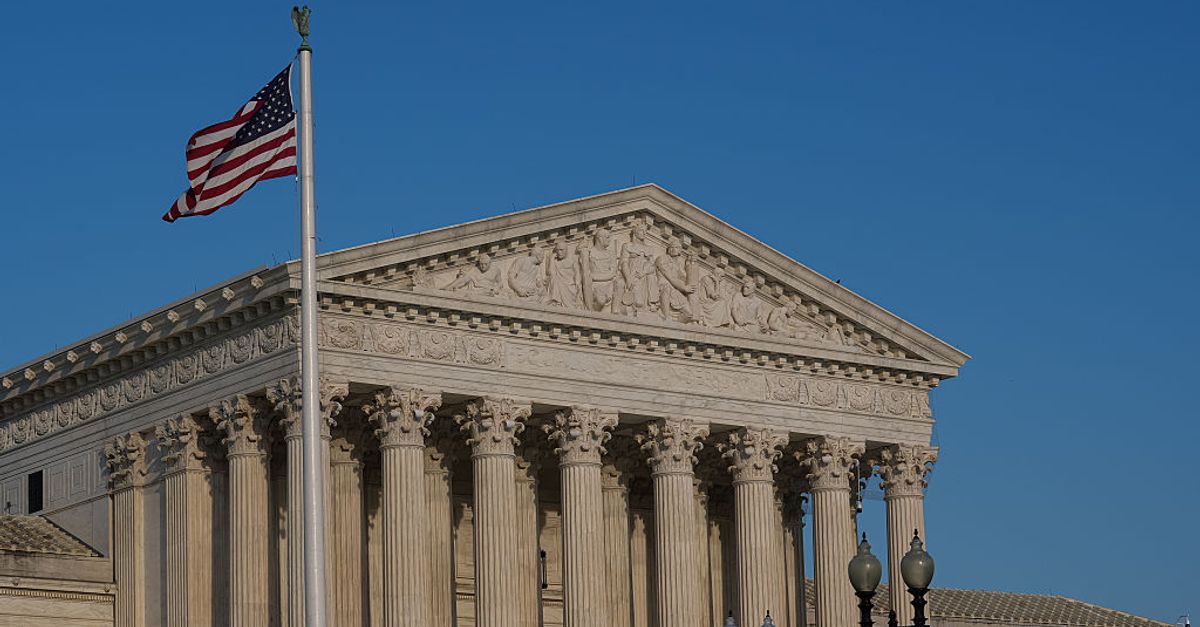
The Trump administration petitioned the U.S. Supreme Court on Monday to review a lower court ruling that prohibits the federal government from deporting immigrants who cross the U.S.-Mexico border without first allowing them to seek asylum. U.S. Solicitor General D. John Sauer argued that the current restrictions are necessary to manage what the administration characterizes as an "invasion" at the southern border. The case, Mullin v. RAICES, challenges a presidential proclamation issued early in President Trump's second term that bypasses standard deportation procedures for those entering illegally.
The legal dispute originated when a group of immigrants and three advocacy organizations sued to block the proclamation, arguing it violates federal immigration law. U.S. District Judge Randolph Moss initially ruled against the administration, stating that neither the Constitution nor federal law permits the executive branch to create an "alternative immigration system" that ignores existing asylum protections. The U.S. Court of Appeals for the District of Columbia Circuit upheld that decision on April 24, finding that while the president can block entry, he lacks the "expansive removal authority" to discard asylum laws.
In the administration's filing, Sauer contended that the U.S.-Mexico border had been "overwhelmed by an ungovernable influx" that threatened national security prior to the proclamation. The government is also challenging the lower courts' decision to allow the lawsuit to proceed as a class action. Sauer argued that the inclusion of an "effectively universal class" of plaintiffs, including those currently overseas, bypasses a prior Supreme Court ruling in Trump v. CASA that restricted the use of nationwide injunctions against federal policies.
The scale of the policy's impact involves millions of people. The administration reported that before the proclamation, the border faced an influx of "millions of aliens," and the current case involves a class of plaintiffs described by the government as "astoundingly broad," including noncitizens who have not yet entered the U.S. The administration argues that maintaining these restrictions is the "most important and effective" tool for border control. Conversely, the ruling by the D.C. Circuit, if allowed to take effect, would restore the right of every individual who crosses the border to apply for asylum, potentially adding to a backlog of claims that Judge Moss noted already faces "enormous challenges."
The ruling will establish a precedent for executive authority regarding federal immigration statutes. It will determine whether a president can use emergency declarations to bypass specific procedures established by Congress in the Immigration and Nationality Act. While the D.C. Circuit's ruling against the administration is currently on hold—meaning the administration can continue its current removal practices for now—a final Supreme Court decision will dictate whether these border protocols become permanent or are permanently dismantled. The challengers have until September 23 to file their response to the government's petition.