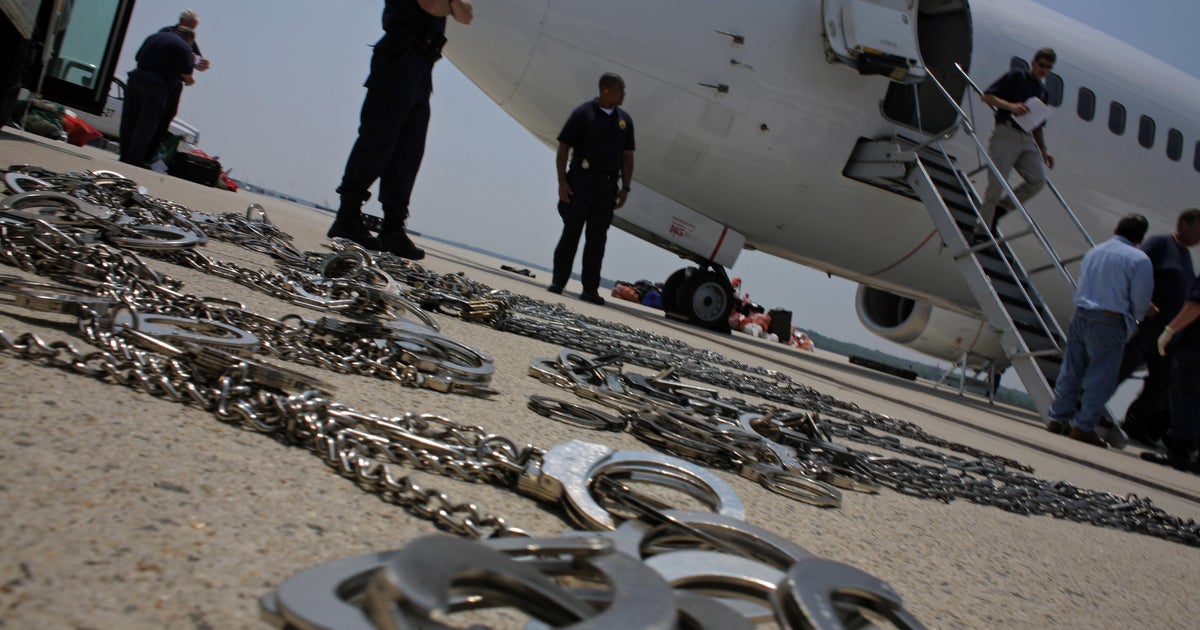
The Trump administration has developed plans to deport nearly 200 Afghan nationals by flying them to Pakistan for subsequent land transport into Taliban-controlled Afghanistan. A U.S. official reported that while the plans remain in flux, the individuals are currently in the custody of U.S. Immigration and Customs Enforcement (ICE) for alleged immigration law violations.
The U.S. suspended operations at its Kabul embassy in 2021 and lacks formal diplomatic relations with the Taliban government, which complicates direct removals. Court documents filed in late October 2026 indicate that ICE scheduled charter flights from Alexandria, Louisiana, to Pakistan to facilitate these transfers. In a sworn declaration dated Oct. 30, 2026, an ICE official confirmed that deportees would be transported onward to Afghanistan after landing in Pakistan.
Advocacy groups and some members of Congress have expressed concern that deportees could face persecution by the Taliban, particularly those with relatives who assisted the U.S. military. The Department of Homeland Security (DHS) declined to confirm specific flight details due to operational security but stated that individuals sent to third countries receive notice and assurances regarding their safety. A DHS spokesperson added that ICE's responsibility ends once an individual is no longer in its custody.
For the affected individuals, this change would result in a transition from U.S. detention to the jurisdiction of another government and, eventually, the Taliban. Deportees would lose access to U.S. legal representation—which 19 of the 80 recently transferred individuals already lack—and would face the humanitarian conditions currently present in Afghanistan, including reported food shortages and restricted rights for women. The scale of the broader impact includes more than 1,000 Afghans currently housed at Camp As Sayliyah in Qatar, who remain in limbo following the suspension of resettlement programs.
The use of third-country deportation agreements sets a precedent for how the U.S. manages removals to nations with which it has no diplomatic ties. The legality of such arrangements is scheduled for debate before the U.S. Supreme Court in December 2026. What happens next depends on several court rulings; while some judges have denied emergency requests to halt removals due to jurisdictional limits, others have ordered officials to explain whether planned charters would fly directly to Afghanistan. A group of 66 members of Congress has formally requested that the administration cancel these flights.