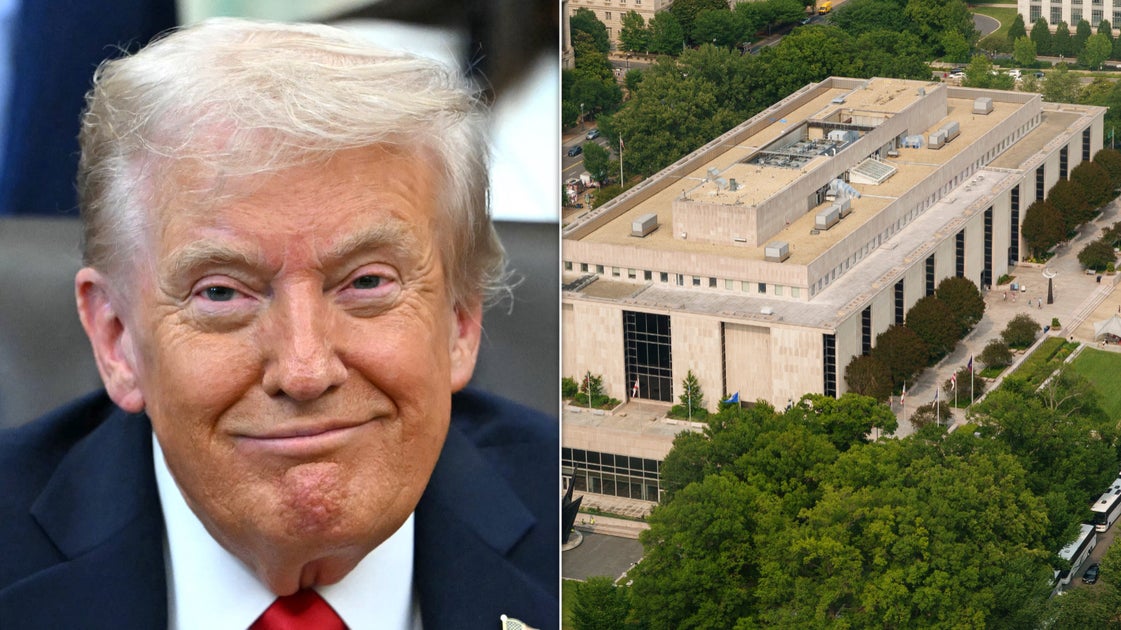
The Trump administration is preparing to install approximately 12 temporary signs on the sidewalks outside the Smithsonian Institution at a projected cost of $84,000. According to a Sept. 3 letter from Interior Secretary Doug Burgum, the signs are intended to provide visitors with information regarding the alleged personal viewpoints and ideological biases of the museum's curators and leadership.
The initiative follows a July executive order issued by President Donald Trump. Because the president lacks the legal authority to summarily dismiss Smithsonian leadership or mandate changes to internal exhibits, the order focuses on the surrounding sidewalks, which are managed by the National Park Service, an agency within the Department of the Interior. The administration's actions are supported by a 162-page White House report alleging the museum promotes ideologies that detract from an accurate presentation of American history.
In the letter addressed to Sens. Jeff Merkley (D-Ore.) and Lisa Murkowski (R-Alaska), Secretary Burgum stated the signs would inform the public about the "racial focus" of museum director Anthea Hartig and Smithsonian Secretary Lonnie Bunch. Burgum specifically cited a 2,000-word essay by Bunch regarding racial discrimination in the museum profession as evidence of what he termed "anti-white animus." The letter also indicated the signs would address material related to transgender Americans and undocumented immigrants.
President Trump has expressed his criticisms of the institution publicly, stating in August 2025 that the museum focused excessively on slavery and negative aspects of national history. Earlier in September 2026, the president also requested that the Smithsonian install an 11-foot statue of George Washington in its Flag Hall through early 2032 and suggested replacing a sculpture by artist Jose de Rivera with a 30-foot statue of Washington.
The initiative marks a specific use of executive authority over federal lands to influence public perception of an independent trust. By placing signs on National Park Service property to critique the contents of the Smithsonian—which the president cannot directly control—the administration is establishing a method for the executive branch to provide a counter-narrative to museum curation. This sets a precedent for how the Department of the Interior may use its jurisdiction over public spaces to address what it identifies as ideological bias in neighboring institutions.
What happens next depends on the finalization of the sign text, which Secretary Burgum reported was not yet complete as of early September. While the signs are described as temporary, no specific removal date has been set, though the president's related request regarding the Washington statue mentions a timeframe lasting until February 22, 2032. The Department of the Interior has not yet provided an official public response to requests for further comment on the specific installation timeline.