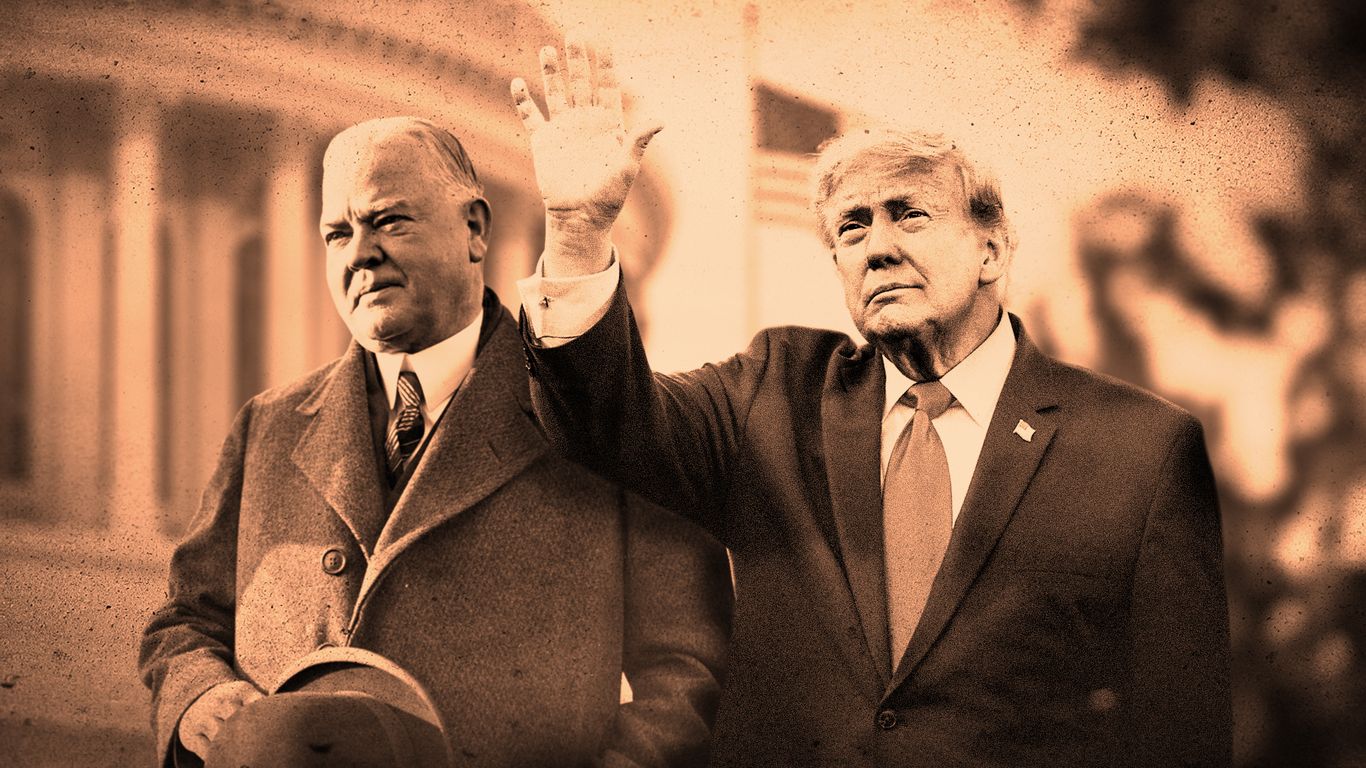
The Trump administration is utilizing Section 338 of the Smoot-Hawley Tariff Act of 1930 to apply tariffs of up to 50% on Canadian imports. This specific provision allows the president to impose duties to address trade "discrimination" by foreign countries. While Section 338 has remained in the federal code, historical records indicate it has rarely, if ever, been used since its enactment.
Economic historians and trade experts note that the 1930 Act is generally associated with the protectionist policies of the Herbert Hoover administration. Douglas Irwin, an economics professor at Dartmouth, stated that while trade lawyers were aware of Section 338, it was previously considered a dormant authority. The administration turned to this statute after other legal justifications for trade actions were challenged in the federal court system.
White House spokesperson Kush Desai stated that the current use of the law is "narrow" and "targeted" in response to specific Canadian trade practices. Desai rejected comparisons to the broader economic circumstances of the 1930s. The administration maintains that the tariffs are a necessary response to unresolved issues from year-long trade negotiations with Canadian officials.
Legal scholars are currently divided on whether the 1930 provision remains valid. Philip Zelikow, a history professor and lawyer, argued that a 1962 trade law effectively superseded and repealed the 1930 authority. Other legal experts disagree, suggesting the provision remains available for executive use. Analysts from Standard Chartered noted that the validity of these tariffs will likely be determined by the courts, which could establish a precedent for future trade actions against other nations.