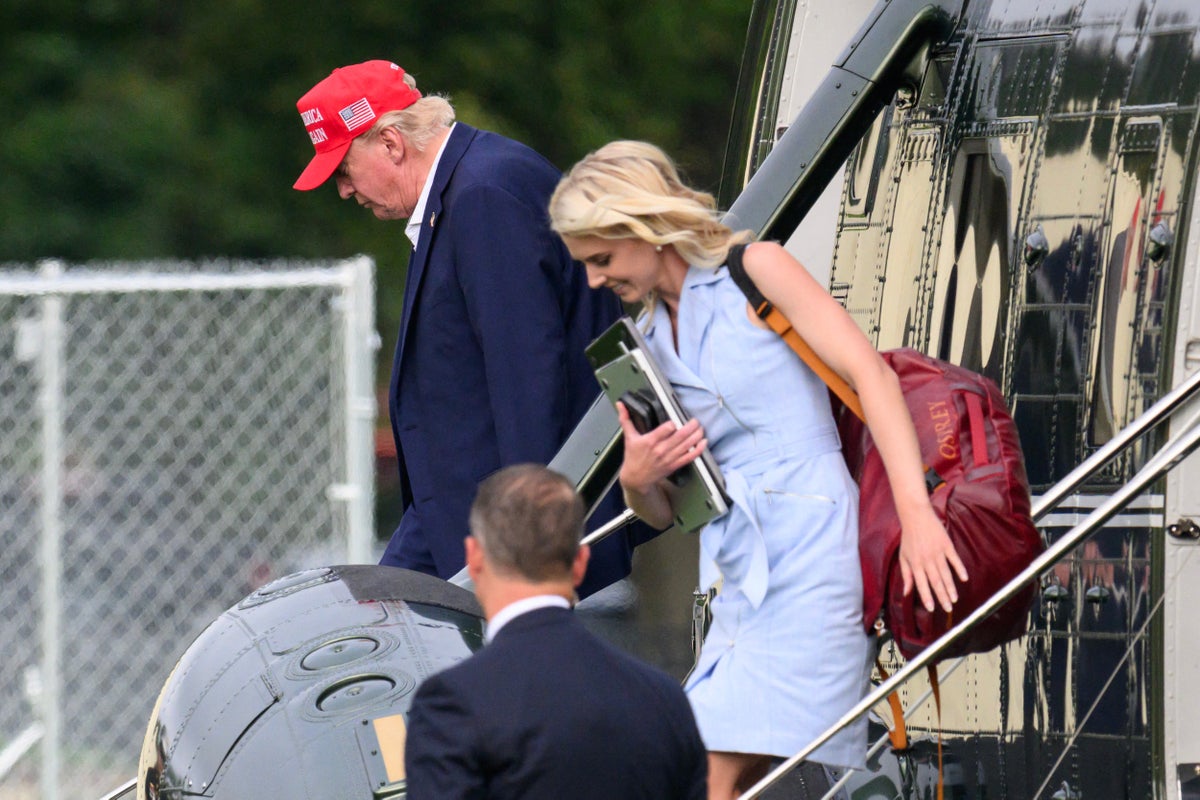
Natalie Harp, an executive assistant to President Donald Trump, reportedly worked at the White House for over a year without obtaining a security clearance. According to a report by MS NOW citing two people familiar with the matter, Harp received multiple extensions to complete the necessary paperwork. The required documentation, known as an SF-86, was reportedly submitted only after the president personally intervened.
The SF-86 is a standard federal form used for background investigations. It requires applicants to disclose detailed information regarding their financial history, prior residences, and contacts with foreign nationals. While most West Wing employees undergo this process upon hiring, the report states that Harp's clearance process remained incomplete during the first year of the current administration.
Multiple sources reported that senior aides and the Secret Service raised concerns regarding Harp's security status during this period. In response to these reports, outgoing White House Press Secretary Karoline Leavitt stated that Harp currently holds a security clearance and described her as a "loyal and hardworking member" of the staff. The White House has characterized Harp as a "trusted and admired" official.
For a specific executive assistant like Harp, who is reported to be present in nearly every meeting and acts as a gatekeeper for information reaching the president, the status of her clearance affects how other officials handle sensitive documents in her presence. Sources told MS NOW that some officials attempted to limit her access to the president due to these concerns, though these efforts were reportedly unsuccessful. The situation highlights the internal protocols governing who can be present during discussions involving national security and how those rules are applied to the president's inner circle.
The report sets a precedent regarding the use of personal presidential intervention to resolve administrative background checks for White House staff. While the White House confirms Harp now possesses the relevant clearance, the delay has drawn public criticism from political opponents such as Senator Jon Ossoff (D-GA). As of the report's publication, no further administrative or legal actions regarding past clearance delays have been announced by the White House or congressional committees.