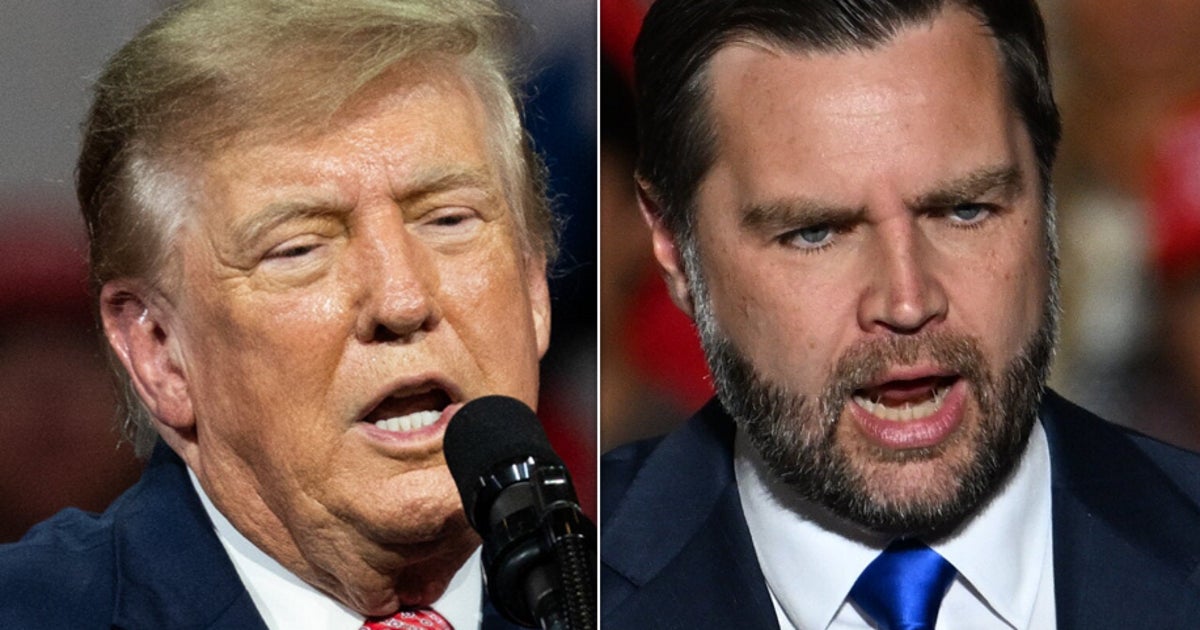
President Donald Trump and Vice President JD Vance were interrupted by hecklers during separate campaign events for the 2026 midterm elections on Monday, October 19. The interruptions occurred while the president was speaking in Kansas and the vice president was appearing in North Carolina to support Republican candidates.
The events took place as the 2026 midterm election cycle enters its final weeks. In Kansas, Trump was campaigning for incumbent Sen. Roger Marshall (R-KS), who is in a closely contested race against Democratic challenger Adam Hamilton. In North Carolina, Vance was appearing on behalf of various Republican candidates.
During the rally in Park City, Kansas, Trump was interrupted at least six times. During one instance, as Trump stated without providing evidence that a previous heckler was a "paid protester," a woman in the audience shouted, "I fucking hate you." Trump later asked the crowd, "How great is it to be at a Trump rally?" prompting supporters to chant his name. This followed an event in Ohio the previous week where Trump faced criticism for his response after a protester was physically attacked.
In Hendersonville, North Carolina, a man standing behind Vice President Vance shouted, "Release the Epstein files," a reference to government records concerning the late Jeffrey Epstein, a convicted sex offender who was formerly an associate of Trump. Security removed the individual as the crowd booed and chanted "USA." Vance responded to the interruption by joking that the man was an undocumented immigrant, stating, "I said that we have had zero illegal border crossings in the United States of America. But one isn't bad, right?"
The day-to-day impact for voters involves how these public exchanges influence the visibility of specific campaign issues. In the North Carolina event, the interruption brought renewed attention to the non-public government records related to Jeffrey Epstein. In Kansas, the repeated interruptions forced the president to stop his speech multiple times to address the protesters or wait for security to remove them. Voters observing these events see a direct interaction between high-level federal officials and vocal critics, which sets a tone for the final weeks of the 2026 campaign season.
These events establish a precedent for how the current administration handles public dissent during the midterm cycle. The vice president's characterization of a protester as an "illegal border crossing" connects local campaign disruptions to broader federal immigration policy debates. The next steps in the election cycle include the continuation of the midterm campaign trail leading toward the November 2026 elections. No specific court dates or further legislative actions related to these specific protests were reported.