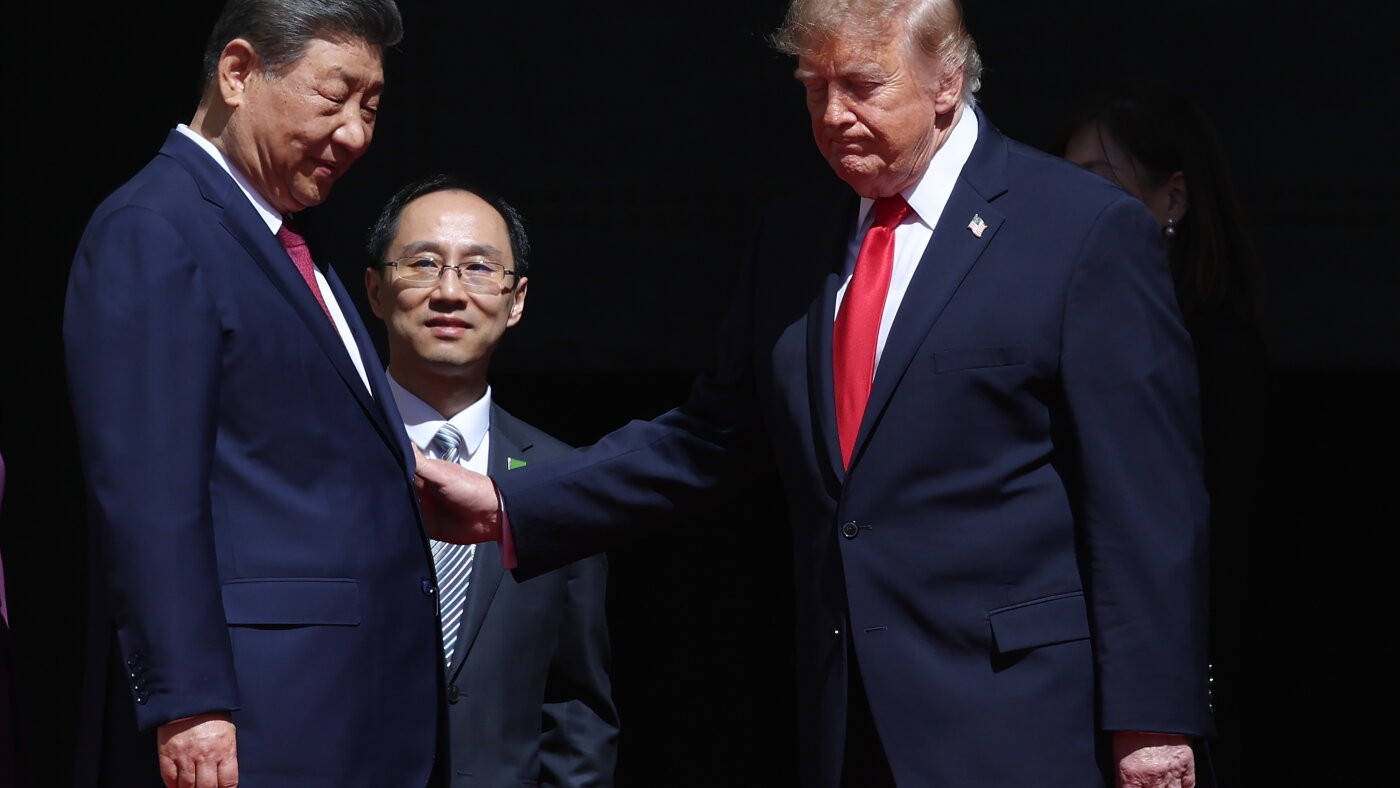
President Trump and Chinese President Xi Jinping concluded a two-day state visit in Washington, D.C., on Friday, September 25, 2026. The summit, the first for a Chinese leader since 2015, focused on diplomatic pageantry and personal tours, including a visit to the National Archives Museum and the White House South Lawn. While the two leaders emphasized personal rapport and historical ties, the meetings resulted in few substantive policy agreements beyond an extension of existing trade arrangements.
The visit took place ahead of the U.S. midterm elections in November and a scheduled Communist Party meeting in China next month. During the summit, the U.S. and China agreed to extend a trade truce by two months, allowing the U.S. continued access to Chinese rare earth elements while China maintains access to specific American semiconductor chips. However, the delegations did not finalize details regarding Boeing aircraft purchases, agricultural trade, or the formation of new trade and investment boards.
Substantive differences remained on several fronts, including the status of Taiwan and the regulation of artificial intelligence (AI). China’s state news agency urged the U.S. to oppose formal independence for Taiwan and called for cooperative "guardrails" to prevent the abuse of AI. President Trump stated on Truth Social that he preferred to leave AI development unregulated, noting that the Department of Justice serves as a sufficient guardrail. Both leaders confirmed they would attend upcoming international summits, with Trump traveling to China in November and Xi visiting Miami in December.
For the broader public, the diplomatic stability signaled by this visit may temporarily ease tensions between the world's two largest economies, though observers note that core conflicts remain unresolved. The disagreement over AI regulation highlights a diverging path for future technology policy that will influence how these tools are developed and governed globally. Residents in Florida will see a direct impact in December 2026 when Miami hosts the G20 Leaders’ Summit, an event that typically involves significant security measures and international media attention.
The next phase of bilateral relations will be determined by a series of high-level meetings and domestic political shifts. A key Communist Party meeting in October is expected to precede an announcement next fall regarding a third five-year term for President Xi. In the U.S., the midterm elections on November 3, 2026, could alter the political landscape before President Trump travels to China for the Asia-Pacific Economic Cooperation summit later that month. The two-month trade truce extension is set to expire in late November, creating a new deadline for trade negotiators.