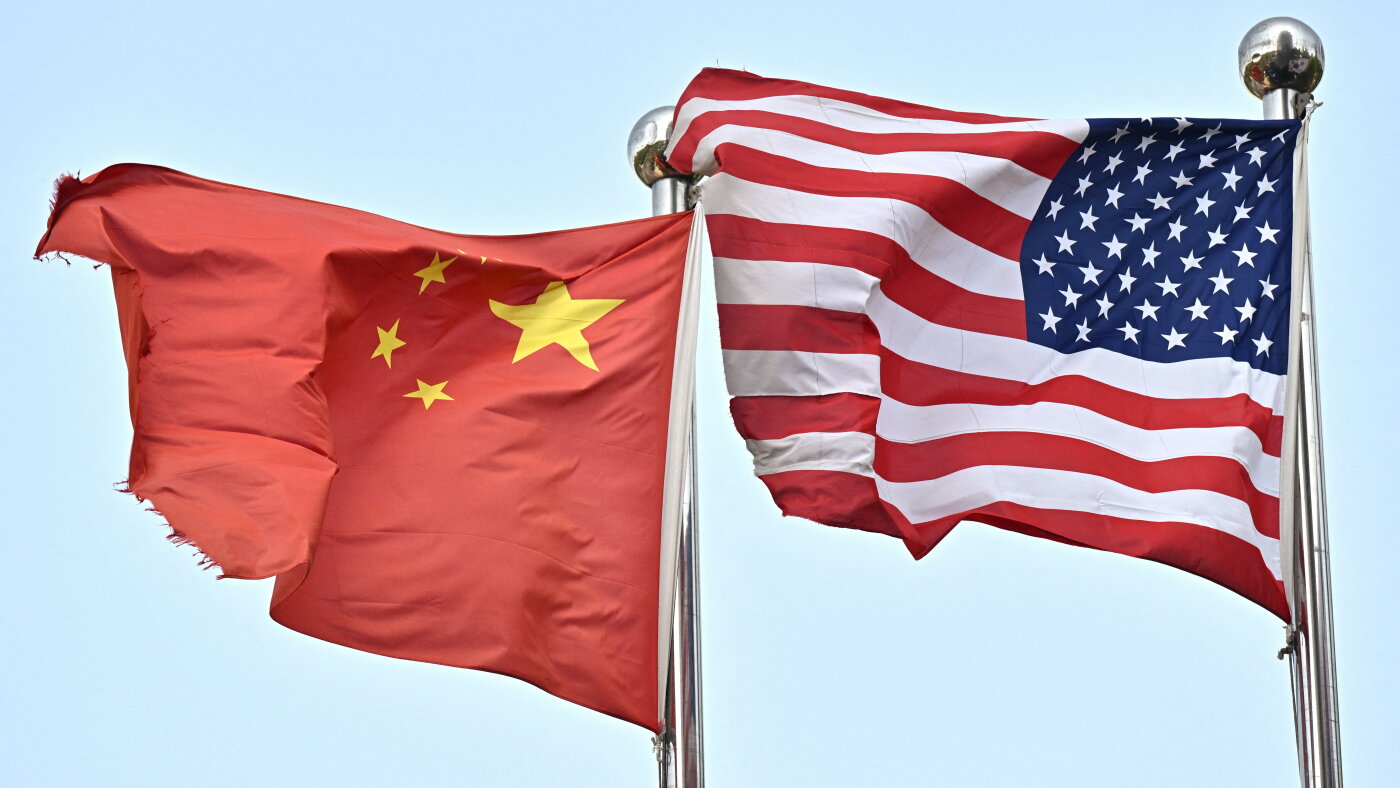
President Donald Trump and Chinese leader Xi Jinping are scheduled to meet in Washington next Thursday to discuss artificial intelligence (AI). The meeting occurs amid ongoing trade and security tensions, including recent U.S. accusations of intellectual property theft and threats of sanctions against Chinese AI companies. Beijing has responded by criticizing U.S. chip export restrictions and accusing Washington of using a "Cold War playbook" to restrain its technological development.
Despite official friction, former officials and policy experts report that informal, sub-national dialogues known as "Track Two" diplomacy are active. These private meetings, often hosted by think tanks and universities, bring together experts from both nations to discuss shared concerns regarding AI risks. Historically, these informal channels have served as backchannels for floating policy ideas when formal "Track One" government communications are strained or severed.
Participants, such as Sarah Beran of the National Committee on U.S.-China Relations and retired Air Force General Jack Shanahan, noted that these dialogues previously helped restore military-to-military communications in 2023 and led to a 2024 agreement that humans, not AI, should control nuclear weapons. Experts involved in recent talks in Shanghai and Beijing report that while official rhetoric remains sharp, there is a shared sense of "vulnerability and precarity" regarding AI safety at the expert level.
For the technology sector, the scale of this competition involves hardware trade and the development of cutting-edge models. U.S. restrictions on chip exports and Chinese efforts toward hardware self-reliance have already altered supply chains. The current atmosphere of mistrust makes it difficult for experts to find areas for cooperation.
What happens next depends on the signals sent during next Thursday's summit. While experts like Scott Kennedy of the Center for Strategic and International Studies state that Track Two talks cannot solve major problems without government leadership, the meetings serve as a roadmap for future policy actions. The National Committee on U.S.-China Relations plans to hold its next informal meeting in the coming months, using the results of the Trump-Xi summit to frame new technical exchanges. Any formal policy shifts regarding AI sanctions or export controls would likely follow these high-level and informal consultations.