President Donald Trump announced on Friday, September 18, 2026, that all 50 states have joined a new Medicaid program intended to lower prescription drug costs. The initiative, titled the Medicaid “GENEROUS” model, applies a "Most Favored Nation" pricing strategy to selected medications. According to the administration, this model aims to bring the net price of these drugs down to levels paid by other affluent countries.
The program follows an executive order signed by President Trump last year that established the Most Favored Nations policy. This policy commits the United States to paying the same price for medications as the country that pays the lowest price globally. The announcement comes as cost-of-living concerns remain a primary issue for voters ahead of the November midterm elections.
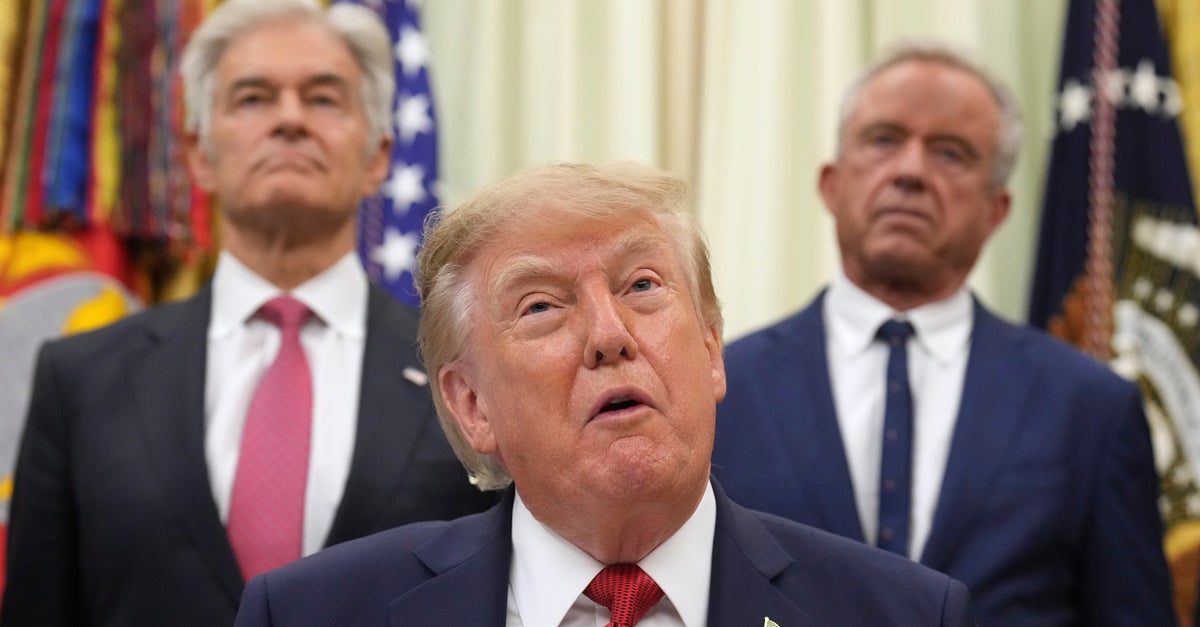
During an Oval Office briefing, President Trump was joined by Health and Human Services Secretary Robert F. Kennedy Jr. and Centers for Medicare & Medicaid Services Administrator Mehmet Oz. The administration projected in May that negotiations with pharmaceutical companies could result in $529 billion in savings over a 10-year period. However, policy experts have noted that the specific contents of these deals have not been made public, which they say makes independent verification of the savings difficult.
While Medicaid recipients typically pay nominal co-payments of a few dollars for prescriptions, the administration stated that lower drug prices would primarily benefit state budgets. President Trump said that states would have the flexibility to use the resulting savings for other healthcare improvements or different state priorities. White House spokesman Kush Desai defended the decision to keep deal details private, comparing it to the non-disclosure of commercially sensitive information during negotiations under the previous administration.
The knock-on effects concern state government finances and future legislative policy. Advocates for the plan suggest it provides states with billions of dollars for other infrastructure or healthcare needs. Conversely, critics such as Kathy Hempstead of the Robert Wood Johnson Foundation noted that the lack of transparent data on these deals creates a barrier for Congress to codify these price arrangements. There are also expressed concerns regarding whether these price reductions will remain in place after the current administration’s term ends.
What happens next depends on the upcoming November midterm elections and potential legislative action. While President Trump has called for Congress to codify these Most Favored Nation arrangements, analysts suggest that the lack of public detail regarding the contracts may delay such efforts. The program is currently active across all 50 states, though specific effective dates for price changes on individual drugs were not reported. Additionally, JD Hayworth, a spokesperson for the Pharmaceutical Reform Alliance, indicated the group will continue to seek similar price reductions for the millions of Americans who are not enrolled in government healthcare programs.