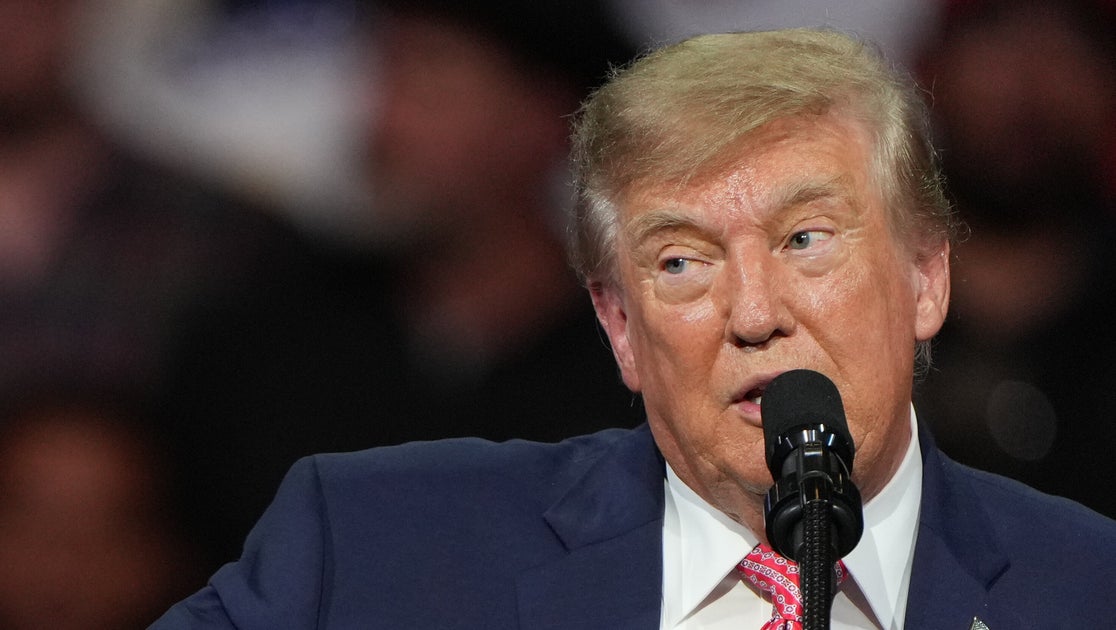
President Donald Trump announced on Monday, October 19, that the U.S. Department of Agriculture (USDA) will launch a new $8 billion harvest fuel relief program. The announcement, made during a campaign event in Topeka, Kansas, is intended to assist farmers facing rising diesel costs and shrinking profit margins ahead of the upcoming midterm elections.
The relief package follows a series of economic challenges for the agricultural sector, including rising fuel, fertilizer, and seed costs attributed to refinery constraints and supply disruptions from the ongoing war with Iran. The USDA projected in September that net farm income would decline by 2.6% this year as production expenses rise by 4.5%. According to AAA, national diesel prices averaged $6.30 per gallon on Friday, October 16, a more than 70% increase compared to one year ago.
In addition to the new $8 billion program, the Trump administration previously announced a $12 billion aid package in December and signed an executive order earlier this month to ease limits on the tax-free use of red-dyed diesel. During his Monday speech, Trump stated that a Republican victory in the midterms would lead to further funding for the agricultural sector. Protesters interrupted the President several times during his 90-minute address, where he urged supporters to vote as if he were personally on the ballot.
The financial strain has become a focal point in several Midwest political contests. In Kansas, Republican Sen. Roger Marshall is facing a challenge from Democrat Adam Hamilton, a minister who has received endorsements from two former Republican governors. While Republicans have historically dominated Kansas, the Club for Growth and other GOP groups are spending millions in the state, as well as in Nebraska and Iowa, amid concerns that economic frustration may reduce voter turnout among the party's traditional agricultural base.
The scale of the federal response is substantial, totaling at least $20 billion in direct aid when combined with the $12 billion package announced last December. These funds are designed to offset the "squeeze" described by industry groups like the Club for Growth, which noted that farmers are currently caught between high input costs and restricted international markets due to retaliatory tariffs. For voters like those in Kansas, Nebraska, and Iowa, the effectiveness of these payments could influence whether they participate in the upcoming midterm elections, particularly in states like Nebraska where Republicans have spent $15 million to defend seats.
The immediate change for farmers will be the availability of relief funds to cover the costs of combining fields and transporting crops to winter storage. The long-term impact involves the precedent of using large-scale federal aid to mitigate the effects of trade policy and international conflict on the domestic food supply chain. What happens next includes Trump’s scheduled visit to Iowa later this week and the approaching midterm elections, which will determine if the administration proceeds with the additional funding promised during the Topeka rally.