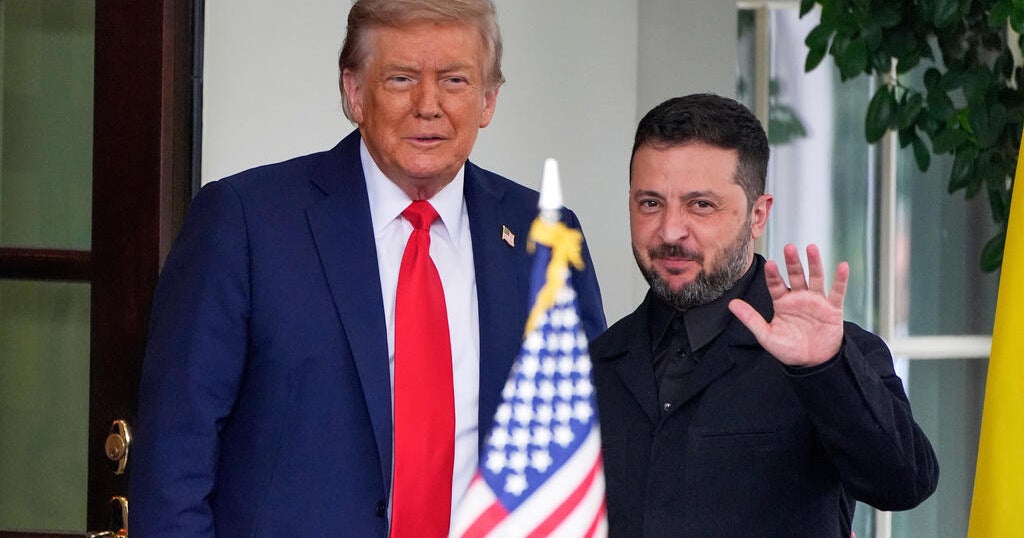
President Donald Trump stated on Saturday, October 10, 2026, that Ukraine should seek a new president, asserting that Volodymyr Zelenskyy has not reached a settlement to end the ongoing war with Russia. Speaking to reporters at the White House before traveling to a political rally in Tennessee, Trump suggested a new leader could "make a deal" and attributed high domestic diesel prices to Ukrainian strikes on Russian oil refineries.
The comments follow a Friday announcement that the Trump administration reached an agreement with Russian President Vladimir Putin to import diesel fuel. To facilitate the deal, the Treasury Department temporarily waived energy sector sanctions that Trump had signed into law one month prior. Zelenskyy criticized the move, stating that lifting sanctions provides Russia with funds to prolong the conflict, while Ukraine's foreign minister, Andriy Sybiga, maintained that Zelenskyy retains the support of the Ukrainian people.
Trump estimated that Ukraine has lost 30% of its territory and that over 2 million people have been killed in the conflict. However, British defense officials recently estimated Russian fatalities at approximately 500,000, and independent estimates place about 20% of Ukrainian territory under Russian control. Ukrainian officials reported that on the same day as Trump's remarks, Russian aerial bombs killed at least 20 people, including three children, in the Zaporizhzhia region.
For Ukraine, the shift in U.S. rhetoric and the easing of energy sanctions represent a change in diplomatic and economic pressure. The Ukrainian government states that these actions allow Russia to continue its aerial bombardments, which have killed more than 60 people over a four-day period in October. The decision sets a precedent of using executive waivers to bypass recently enacted sanctions laws to address domestic economic concerns, specifically energy shortages linked to the ongoing U.S.-led war in Iran.
What happens next depends on the delivery timeline of the Russian fuel and the outcome of the U.S. midterm elections. The Treasury Department's waiver is described as temporary, though a specific expiration date was not reported. In Ukraine, the conflict remains largely deadlocked on the front lines after 4.5 years of war, with both sides continuing long-range aerial attacks. No dates have been set for potential leadership changes or peace negotiations mentioned by the U.S. president.