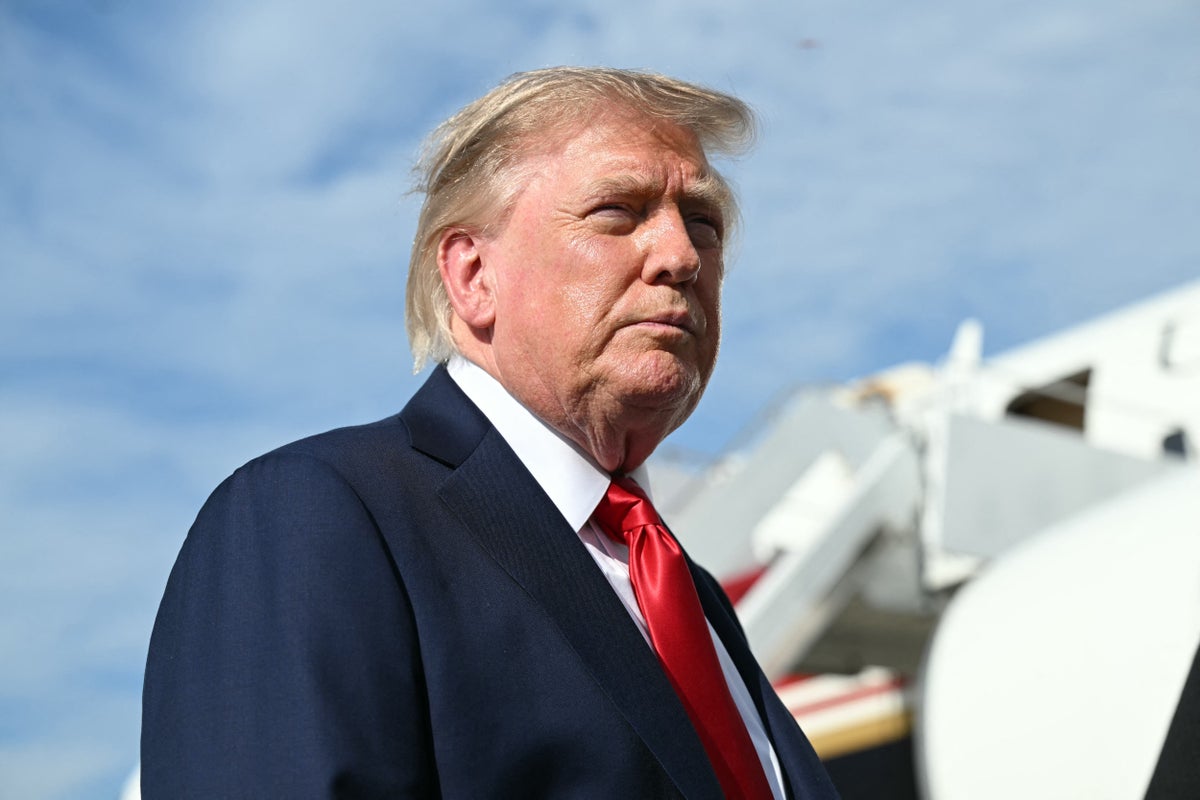
President Donald Trump said on Thursday that "something may come out of" CIA Director John Ratcliffe’s visit to Moscow earlier this week. Trump described the trip as being on a "very semi-routine" basis and stated that the U.S. is working to end the war in Ukraine.
The Kremlin confirmed on Wednesday that Ratcliffe met with Russian intelligence officials during the trip, though spokesperson Dmitry Peskov stated that Ratcliffe did not meet with President Vladimir Putin. Peskov described the communication between the two countries’ intelligence agencies as a positive development.
These diplomatic movements occur alongside reports from Kremlin sources that Russia is considering increasing ballistic missile strikes on Kyiv. These sources told Bloomberg that Putin is weighing strikes on the city center and critical infrastructure, as Russian leadership believes negotiation efforts have reached a dead end.
In the U.S. Congress, Senator Richard Blumenthal (D-CT) said on Wednesday he expects a broad sanctions bill against Russia to pass the House of Representatives next month. The bill, which passed the Senate last month, is intended to restrict funding for Russia's military actions. Some Democrats have expressed concern that the bill could allow President Trump to impose additional tariffs on U.S. allies.
On the economic front, the pending U.S. sanctions bill and the proposed EU plan to use frozen Russian sovereign assets represent a shift in how the conflict is financed. If passed next month, the U.S. sanctions would target Russian revenue streams, while the EU initiative involves billions of euros in central bank assets. These measures are designed to increase the financial cost for Russia, though domestic critics warn the U.S. bill could also lead to new tariffs affecting trade with American allies.
For global consumers, the ongoing conflict continues to pressure food supplies. Approximately 70 vessels are currently stalled near the Danube river ports, waiting to load Ukrainian grain. This bottleneck, caused by pilot shortages and air raid interruptions, risks a spike in global grain prices, which would translate to higher grocery bills for households worldwide. The next major milestones include the expected House vote on sanctions in September and the European Commission's response to the member states' request regarding frozen assets.