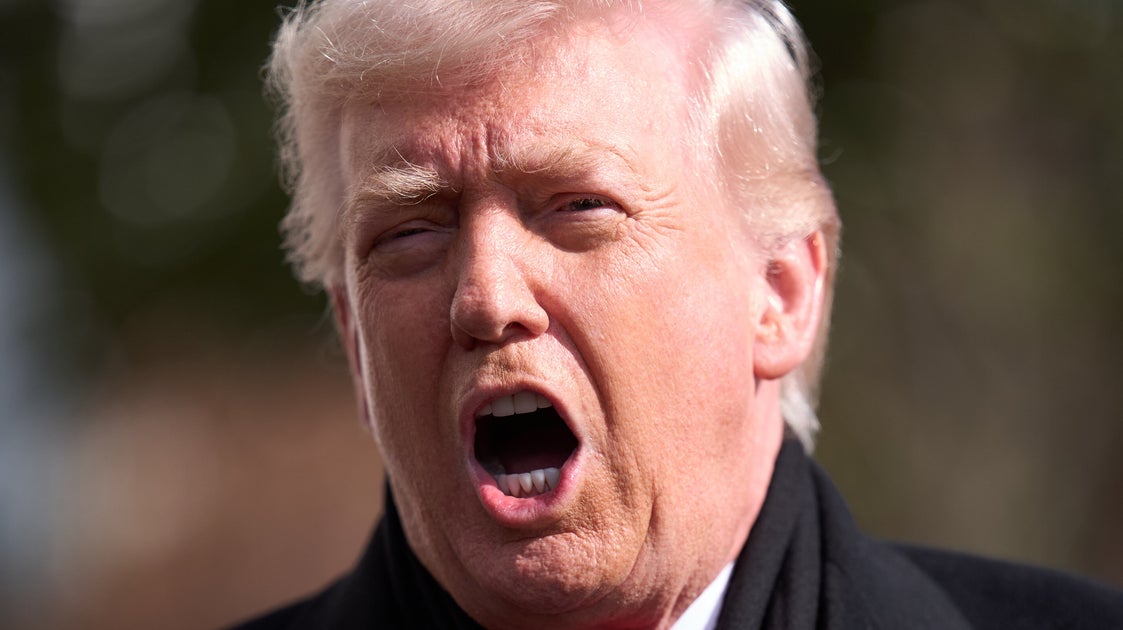
President Donald Trump criticized Republican strategist Karl Rove on Monday, September 14, 2026, calling him a "stone cold loser" in a post on Truth Social. The president questioned why Fox News and The Wall Street Journal continue to feature Rove’s commentary, labeling his views as those of a "RINO," or Republican In Name Only. Trump stated that Rove is "bad for the Republican Party" and attributed Rove's critical stance to his own political victories over the last decade against causes Rove supported.
The comments followed reports from The Texas Tribune that Rove intends to vote for a Democratic candidate in an upcoming election. During a private lunch event, Rove reportedly announced he would vote for Democrat Jon Rosenthal for the Texas Railroad Commission, a state agency that regulates the oil and gas industry. Rove is opposing the Republican candidate, Bo French, whom he reportedly described as a "bigot" following a social media post French made during the weekend of September 12-13, 2026.
Rove, who served as a senior advisor and was a primary architect of President George W. Bush’s 2000 and 2004 campaigns, has voiced recent concerns regarding the Republican Party's direction. According to the report, Rove expressed apprehension regarding the impact of a recent midterm convention and suggested that Trump’s personal conduct could negatively affect the party’s performance in the November elections. This would mark only the second time in more than 30 years that Rove has supported a Democrat, the first being for Texas Lieutenant Governor Bob Bullock in 1994.
The scale of this shift is notable due to Rove's history of party loyalty. In a career spanning more than 30 years, this is only the second time he has crossed party lines, according to his own statements. For the individual Texas voter, this public disagreement between a sitting president and a veteran strategist highlights a division within the party leadership regarding candidate standards and rhetoric. Readers who follow Rove's columns in The Wall Street Journal or his appearances on Fox News will see a continuation of this friction as the November election approaches.
The knock-on effects include potential changes in how Republican donors allocate funds for Texas state races and how other party regulars respond to candidates accused of inflammatory rhetoric. Trump’s public demand for media outlets to stop featuring Rove could also influence the types of commentary available to Fox News viewers and Wall Street Journal readers. What happens next depends on the November election results; the Texas Railroad Commission seat and various midterm contests will determine if Rove’s warnings about the party’s performance are realized. No specific court dates or legislative votes are tied to this dispute, which remains a matter of political campaigning and internal party discourse.