President Donald Trump signed a proclamation on Friday, October 23, 2026, to exempt several Canadian products from 50% tariffs. The move removes duties on items frequently used by the agricultural industry in Maine, such as corrugated boxes, crates, packing machinery, and refrigeration equipment. The White House stated the decision was intended to offset the "burden to U.S. commerce while better serving the public interest."
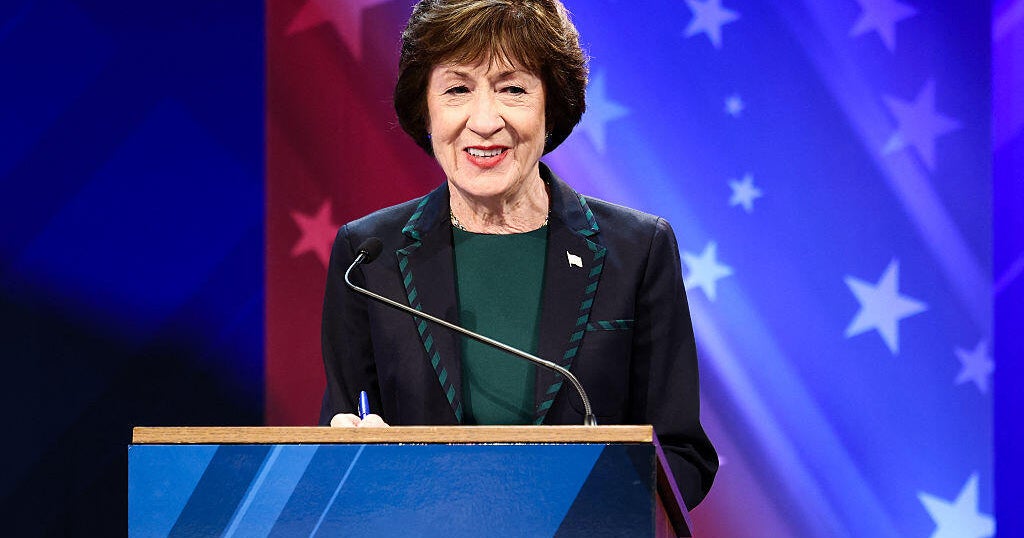
The exemptions followed requests from Sen. Susan Collins (R-ME), who is currently in a reelection campaign against Democratic challenger Troy Jackson. Collins stated she met with Commerce Secretary Howard Lutnick and trade negotiator Jamieson Greer to discuss the impact of trade costs on Maine businesses. According to Collins, many local farmers rely on specialized Canadian equipment and packaging that is either unavailable from domestic suppliers or too expensive to replace.
While some tariffs were lifted, the administration simultaneously applied new 50% duties to other Canadian goods, including shampoo, vinyl flooring, coffins, carpets, and window-unit air conditioners. The original 50% tariffs were imposed in late August after trade negotiations between the U.S. and Canada failed to reach a new agreement. In response to the August measures, Canada implemented retaliatory tariffs on various U.S. imports.
The policy change affects agricultural producers in Maine, such as wild blueberry, apple, and potato farmers who rely on imported harvesting tools. By removing duties on items like plywood sheets and plastic sacks, the administration is reducing the overhead costs for these specific operations. Collins noted these supplies have few domestic alternatives.
The scale of the overall trade action remains significant, as the exemptions apply to only a portion of the $20 billion in Canadian imports hit with tariffs earlier this summer. While Maine farmers see a reduction in costs, consumers and businesses purchasing the newly taxed items—such as vinyl flooring, carpets, and air conditioners—will now face the 50% duty. Rep. Richard Neal (D-MA) characterized the timing of the exemptions, occurring 11 days before the election, as a "stunt" and "politically motivated."
The exemptions set a precedent for targeted relief within a wider trade dispute, but the knock-on effects depend on whether Canada maintains its retaliatory tariffs on U.S. goods. The new tariff exemptions and the new duties are scheduled to take effect on October 30, 2026. Collins stated she will continue to push for a broader trade agreement with Canada.