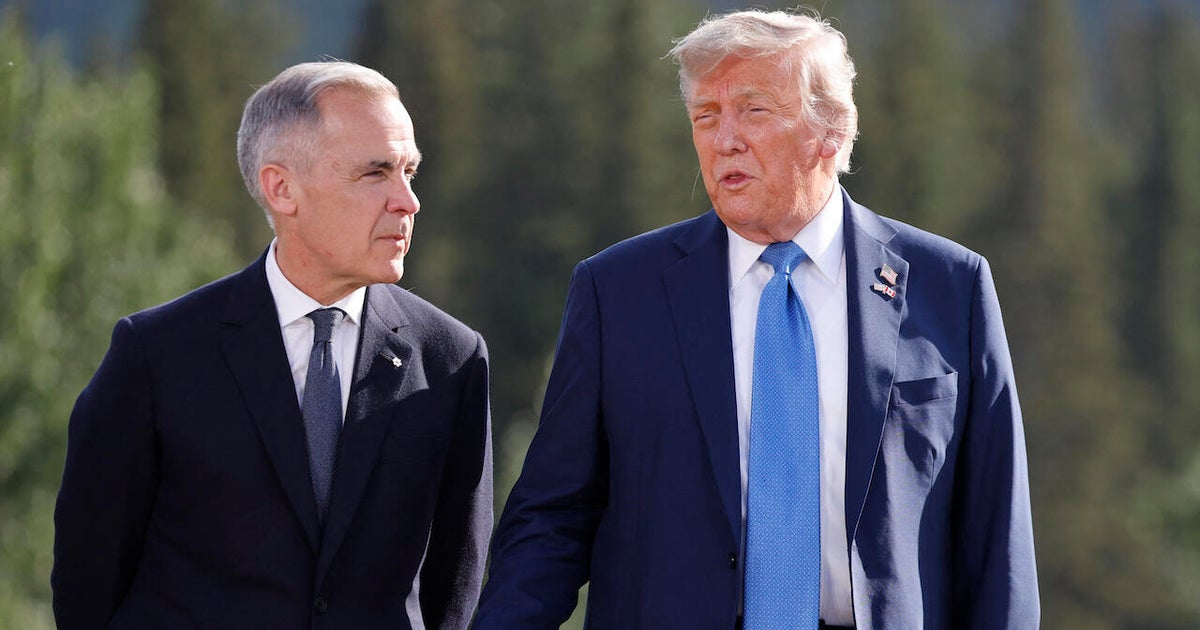
President Donald Trump signed a series of proclamations on Monday to impose 50% tariffs on various Canadian goods, including hockey equipment, alcoholic beverages, dairy, and electronics. The measures are scheduled to take effect on Aug. 19. The White House stated that the tariffs are a response to what it characterized as discriminatory trade practices and retaliatory import restrictions previously enacted by Canada against U.S. goods.
The administration cited Section 338 of the Tariff Act of 1930 as the legal basis for the move, marking a rare application of the law which allows the president to levy duties of up to 50% on countries deemed to be discriminating against U.S. commerce. A senior administration official confirmed that goods normally protected under the U.S.-Mexico-Canada Agreement (USMCA) will not be exempt from these specific duties.
Canadian Prime Minister Mark Carney responded by stating that Canada’s previous trade measures were intended to match prior U.S. tariffs that he argued violated the USMCA. Carney expressed a willingness to negotiate a modernization of the trade agreement to resolve the dispute. Meanwhile, the Distilled Spirits Council of the United States expressed concern that the escalation could lead to further retaliation and financial hardship for the hospitality sector.
The trade dispute between the two nations has intensified over the past year following disagreements regarding auto imports, dairy quotas, and border security. While the White House maintains the tariffs are necessary to address unfair trade practices, Canadian officials and some industry groups have urged both governments to use the 30-day window before implementation to reach a negotiated settlement.