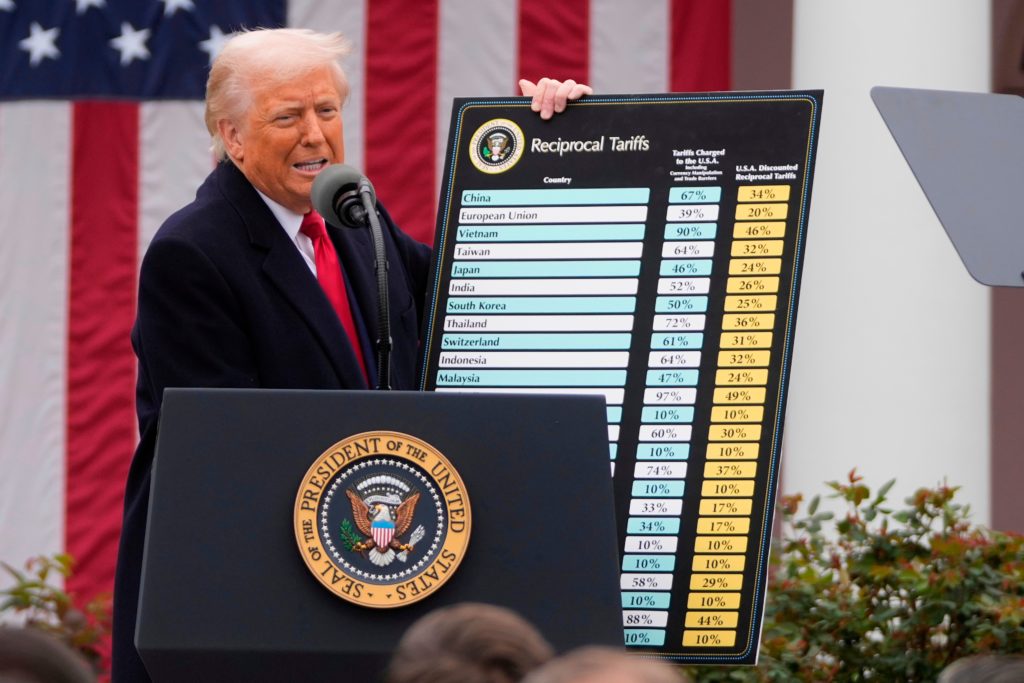
President Donald Trump signed three proclamations on Monday imposing 50% tariffs on most Canadian goods, effective in 30 days. The administration cited alleged Canadian discrimination against American automobiles, alcohol, and dairy products as the basis for the action. The tariffs were issued under Section 338 of the 1930 Trade Act and exclude energy products, potash, fish, and critical minerals.
An administration official stated the tariffs are a response to Canadian retaliatory measures following previous U.S. trade actions. The proclamations specifically highlight a 25% Canadian tariff on U.S. motor vehicles and restrictions on American alcohol sales in several provinces. The White House also noted long-standing disputes regarding Canadian dairy market access for American cheese producers.
The action follows the expiration of the United States-Mexico-Canada Agreement (USMCA), which the U.S. did not renew. In response to the announcement, Ontario Premier Doug Ford stated that Canada should respond with reciprocal tariffs. Scott Lincicome of the Cato Institute noted that the use of Section 338 introduces significant uncertainty into the global economy, while the administration maintains the move will encourage domestic manufacturing.
The Supreme Court previously ruled in February that the president lacked authority to impose similar tariffs under emergency declarations, leading the administration to utilize Section 338 as an alternative legal framework. The 30-day delay before implementation provides a window for potential bilateral negotiations between President Trump and Canadian Prime Minister Mark Carney.