President Donald Trump announced an escalation in trade measures against Canada, raising tariffs on $20 billion in imports following a breakdown in negotiations. The president stated on Monday that he intends to increase tariffs on all Canadian steel, automobiles, and auto parts to 50% by 2027. In response, the Canadian government scheduled an announcement for its own retaliatory tariffs on Tuesday.
The dispute follows the expiration of recent trade talks and has become a central issue in several U.S. Senate races in border states. While U.S. Trade Representative Jamieson Greer stated that the administration does not expect a significant economic impact, Republican and Democratic lawmakers in states such as Maine, Ohio, and Michigan have expressed concern regarding the potential for higher consumer prices and supply chain disruptions.
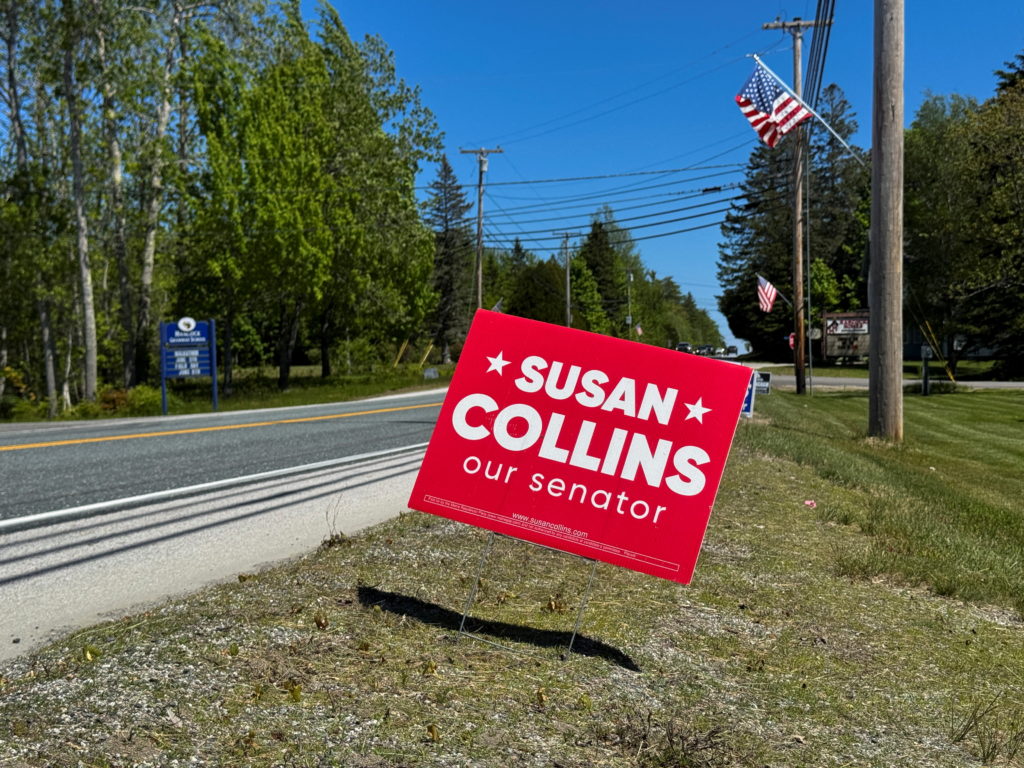
In Maine, Sen. Susan Collins (R) characterized the new tariffs as a mistake, noting their potential impact on the state's lobster, blueberry, and lumber industries. Vice President JD Vance, visiting Maine on Monday, stated the administration is seeking "fairness" and a "fair deal" for border states, alleging that Canada has treated China more favorably than the U.S. in trade matters. Meanwhile, Democratic challengers like Troy Jackson in Maine and Abdul El-Sayed in Michigan have used the trade conflict to criticize their Republican opponents' ties to the administration's policies.
The scale of the immediate conflict involves $20 billion in Canadian imports now subject to higher U.S. tariffs. For households, these measures may translate into increased prices for a range of goods, from grocery items like produce and fish to high-value purchases such as vehicles. The 50% tariff rate scheduled for 2027 represents a significant increase from current levels, which could alter the long-term competitiveness of the North American auto industry. Small business owners in border regions, such as loggers and farmers, may notice changes in their export volumes or profit margins as retaliatory measures from Canada take effect.
The conflict sets a precedent for how the U.S. manages trade relations with its closest neighbors compared to adversarial nations. While former officials note that previous trade actions were focused on China, the current measures against Canada have prompted threats of retaliation that could include cuts to electricity and critical mineral exports, according to Ontario's premier. What happens next depends on the specific list of retaliatory tariffs Canada announces on Tuesday and whether the Trump administration follows through with the 2027 deadline for automobile and steel tariffs. Senate candidates will continue to debate these economic impacts leading up to the midterm elections.