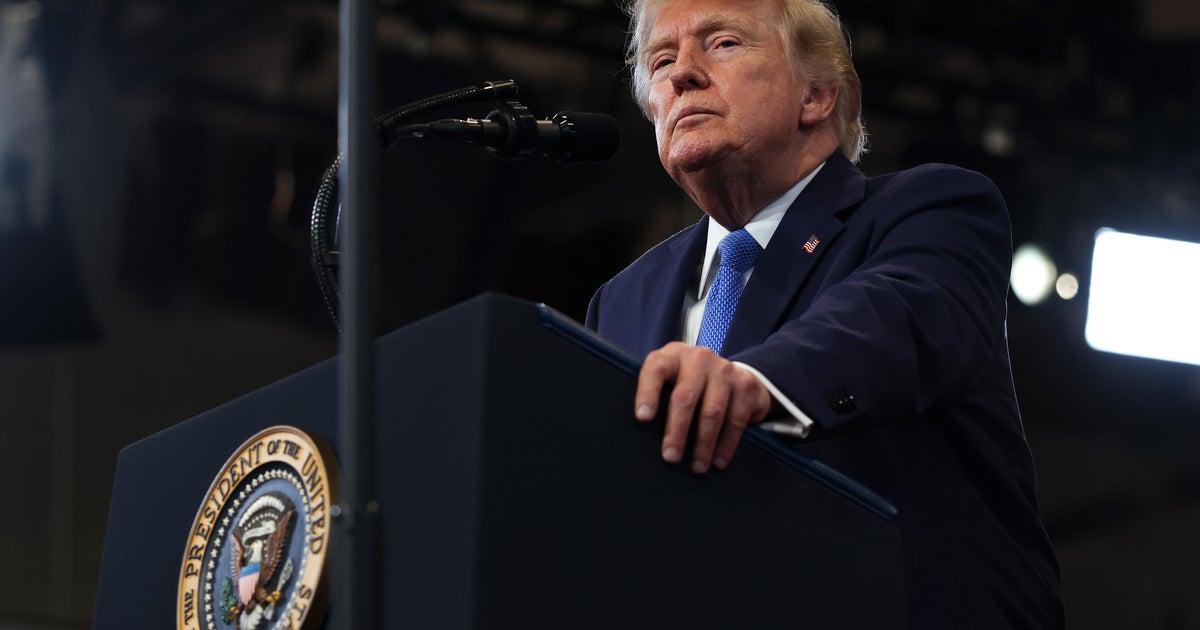
Legal counsel for President Trump sent a letter to the Center for American Progress (CAP), a think tank, threatening a defamation lawsuit over a report regarding National Guard deployments. The report, issued by CAP in July, concluded there was no evidence that such deployments reduced violent crime in several U.S. cities. In an August 17 letter, attorney Alejandro Brito claimed the report contained materially false statements intended to damage the president and demanded a retraction, an apology, and compensation by a Friday deadline.
The dispute stems from the administration's decision to deploy National Guard troops to several cities, beginning with Los Angeles in June 2025 to protect federal law enforcement during immigration-related protests. Subsequent deployments occurred in Washington, D.C., Memphis, and New Orleans, with the president stating the move was intended to address crime and disorder. The CAP report utilized citywide crime data to argue these deployments had no measurable impact on homicides or gun violence, while the FBI recently reported a nationwide decrease in violent crime for 2025.
Brito stated that failure to comply with the demands could lead to a lawsuit seeking at least $5 billion in damages. In response, CAP attorney Kevin Metz called the threat "utterly absurd," stating that the right to dissent and debate policy is central to democracy. CAP President and CEO Neera Tanden described the potential legal action as a baseless attempt to silence independent research. CBS News legal contributor Jessica Levinson noted that public figures face a high legal threshold in defamation cases, requiring proof of "actual malice," or the knowledge that a statement was false.
A person following this development would notice no immediate change to their own finances or benefits, but the case centers on the legal rights of organizations to publish analysis that contradicts government claims. The specific groups affected include researchers and policy advocates who rely on the First Amendment to analyze the effectiveness of federal law enforcement actions. Legal experts indicate that for a defamation suit to succeed, the president would need to prove that CAP acted with "reckless disregard" for the truth, rather than simply having a disagreement over statistical interpretation.
The knock-on effects could influence the future of public policy debate and the use of the National Guard in domestic law enforcement. A legal precedent in this case could clarify the boundaries between policy criticism and personal defamation regarding a sitting president. The next step depends on whether the president’s legal team files a formal complaint following the passing of the Friday deadline. Currently, no court date has been set, and the administration has not confirmed if it will pursue the $5 billion claim in a court of law.