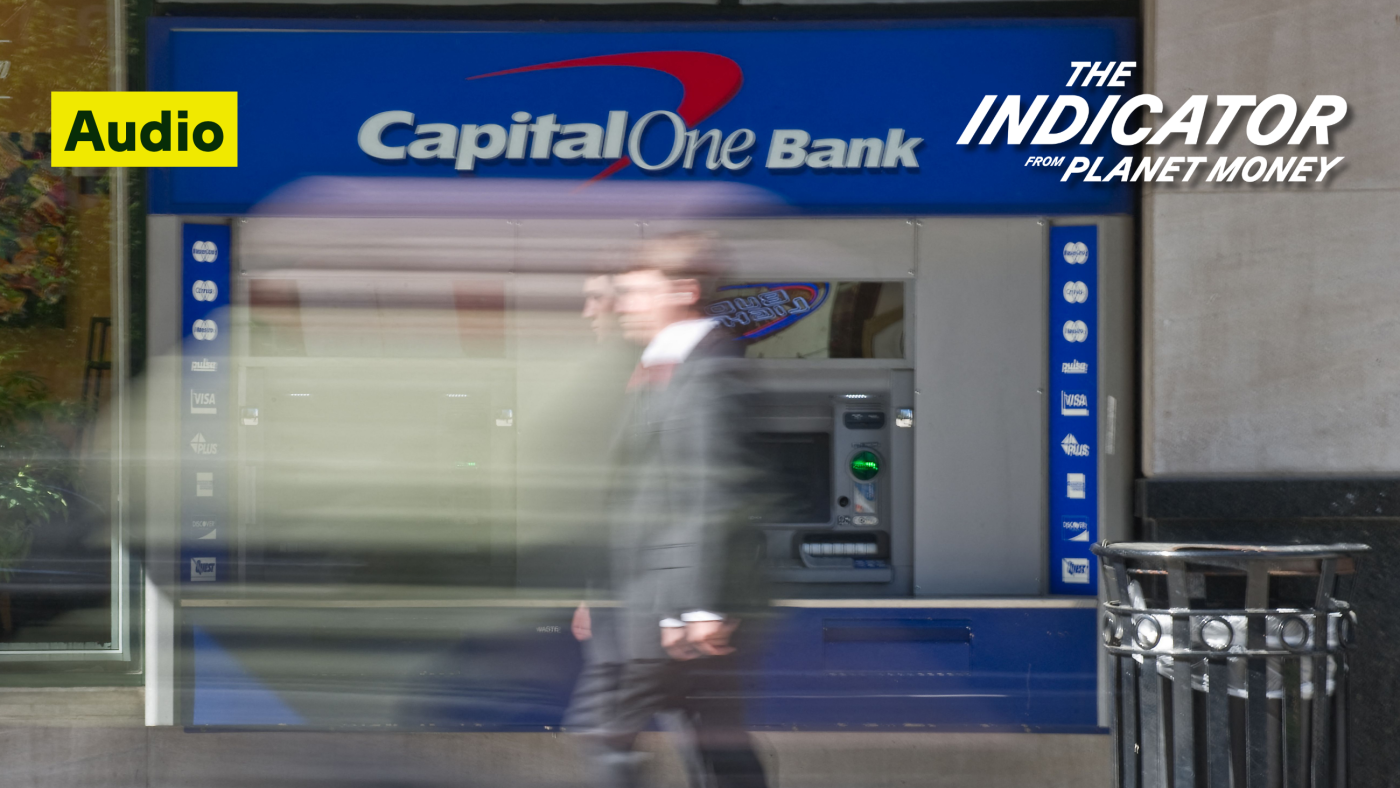
The Trump Organization filed a lawsuit against Capital One following the bank's decision to close its corporate accounts. The organization alleges the closures were motivated by political factors, while the bank has pointed to concerns regarding money laundering.
Under current banking practices, financial institutions have broad discretion to terminate client relationships without providing specific justifications to the account holder. This case highlights the tension between a bank's internal risk-assessment protocols and the claims of political discrimination by high-profile clients.
Capital One specifically cited money laundering concerns as the basis for its action. The Trump Organization, however, maintains that the bank’s decision was influenced by the political identity of the organization and its leadership. The case focuses on how banks use internal data and regulatory compliance standards to identify and mitigate perceived financial risks.
For other business owners and high-profile individuals, the case underscores the significant power banks hold in determining who can access the financial system. Federal law requires banks to monitor for suspicious activity, such as money laundering, but the lack of a requirement to explain account closures means customers may face sudden losses of service without a clear path for appeal. If the Trump Organization succeeds in proving political motivation, it could set a precedent for how much transparency banks must provide when closing accounts for public figures or politically exposed persons.
The knock-on effects could influence how other major financial institutions manage their compliance departments and risk-mitigation strategies. A ruling in favor of the Trump Organization might lead to increased regulatory or legislative scrutiny regarding the criteria banks use to label clients as high-risk. Currently, the specific court dates and the timeline for legal proceedings have not been reported. The case remains in its early stages as both parties address the conflicting claims of money laundering concerns and political bias.