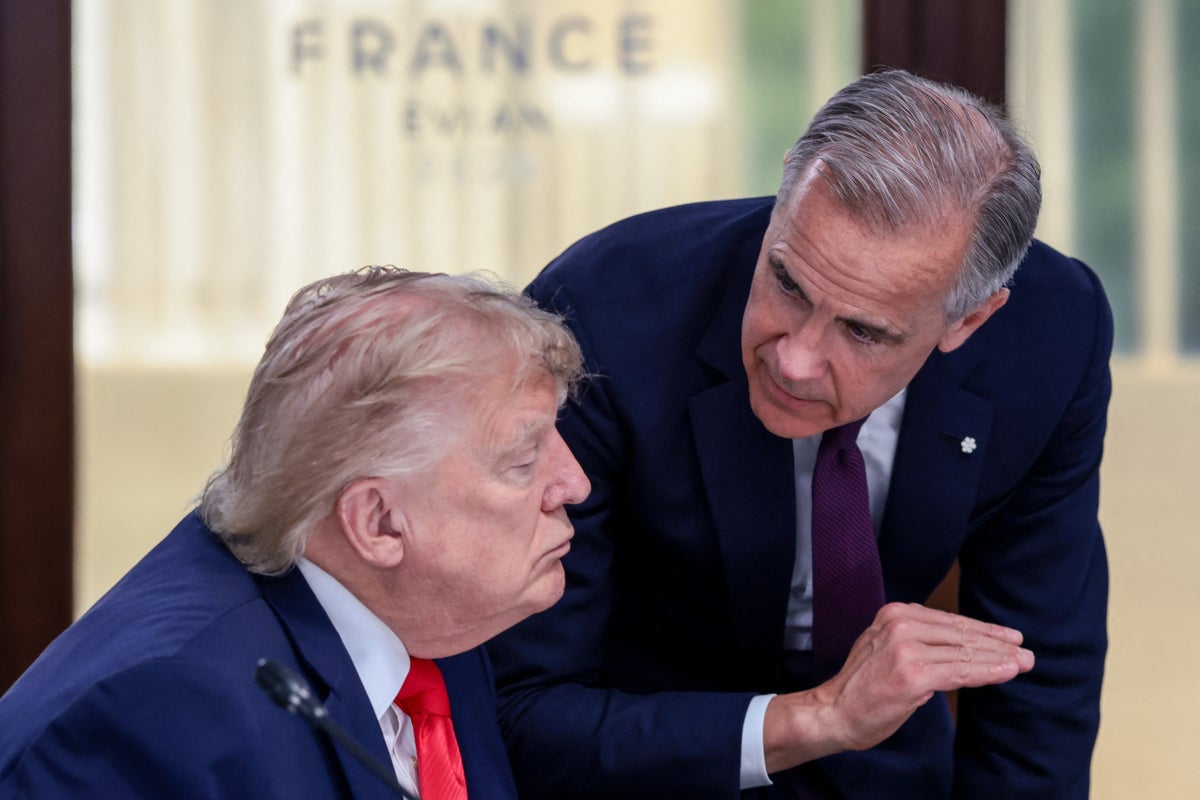
President Donald Trump announced a three-day pause on new 50% tariffs on Canadian goods Tuesday, stating that the United States and Canada have reached a trade agreement. The tariffs, which were scheduled to take effect overnight, would have applied to approximately $20 billion worth of imports. Canadian Prime Minister Mark Carney confirmed that substantial progress has been made, though he noted that documentation still requires finalization.
The announcement followed weeks of discussions and a Tuesday afternoon phone call between Trump and Carney. The U.S. Trade Representative (USTR), Jamieson Greer, stated that the preliminary deal includes provisions for market access for American goods, economic security commitments, and digital trade alignment. According to a White House proclamation, Canada has committed to addressing U.S. concerns regarding duties on alcoholic beverages, dairy products, and motor vehicles.
Negotiations have centered on U.S. grievances regarding the Canadian dairy supply management system and the refusal of some provinces to stock American liquor. Industry sources indicated that existing Section 232 tariffs on Canadian vehicles were also a point of discussion, with proposals to reduce those rates from 25% to 15% based on U.S.-produced content. While Trump mentioned the potential revival of the Keystone XL pipeline project, he provided no specific details on its status.
The agreement primarily impacts Canadian manufacturers and agricultural producers, as well as U.S. retailers and consumers who rely on Canadian imports. By delaying the tariffs, the two nations avoid an immediate disruption to the U.S.-Mexico-Canada Agreement (USMCA), which generally shields North American trade from such duties. A person working in the automotive or spirits industry would have seen changes in production costs or retail availability as early as Wednesday morning had the pause not been enacted.
The outcome of these talks sets a precedent for how the administration utilizes tariff threats to secure specific concessions on market access and energy projects like the Keystone XL pipeline. The next steps involve the finalization of legal documents over the three-day pause period. Automakers face a separate deadline of September 30 to re-certify American content levels under new U.S. Commerce Department rules to qualify for tariff deductions starting December 1.