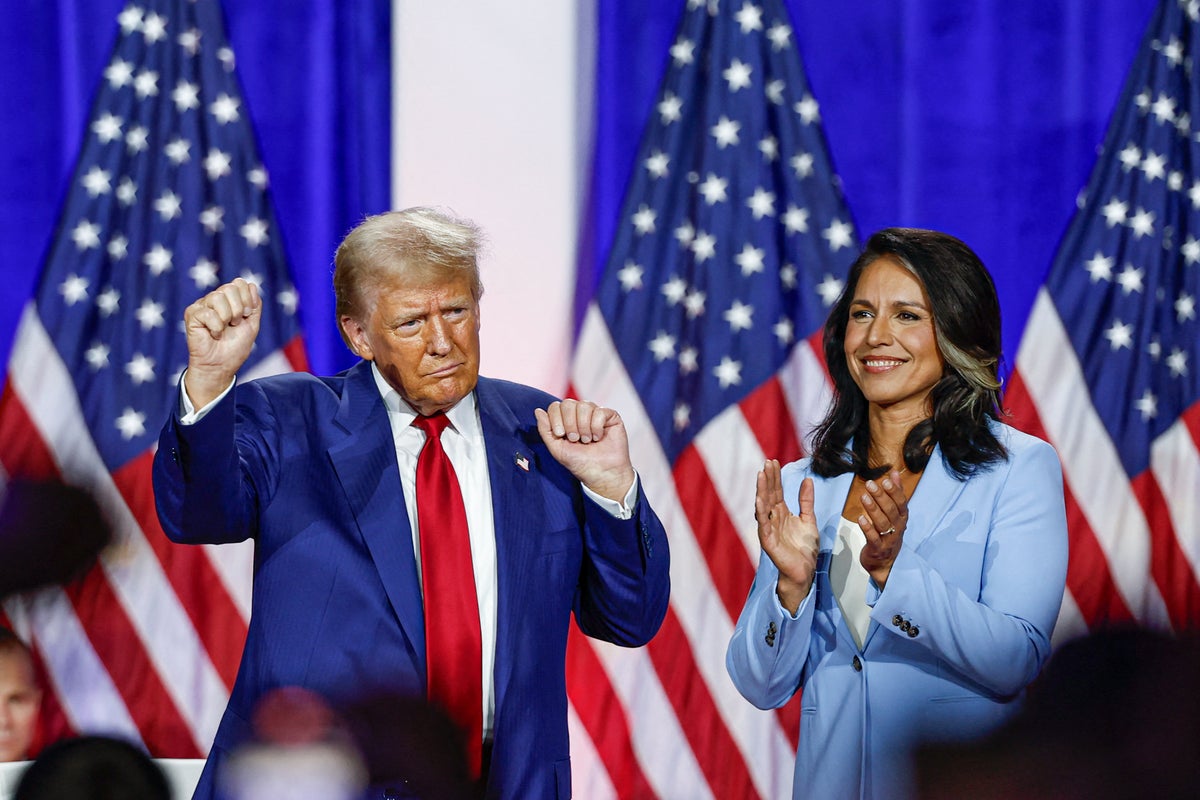
President Donald Trump proceeded with military strikes against Iran in February despite warnings from intelligence officials that the action could lead to a more hard-line Iranian government, according to a report from The Wall Street Journal. Then-Director of National Intelligence Tulsi Gabbard reportedly advised the president in an Oval Office briefing that killing Ayatollah Ali Khamenei might result in a more authoritarian regime that would prioritize the development of weapons of mass destruction.
The military operation, titled Operation Epic Fury, began on February 28 and resulted in the death of Khamenei on its first day. Before the strikes, Israeli Prime Minister Benjamin Netanyahu reportedly advocated for the move, arguing the Iranian government was weakened. However, U.S. military leadership, including the Joint Chiefs of Staff and U.S. Central Command, reportedly cautioned the president about potential troop casualties, munitions shortages, and the likelihood of Iran closing the Strait of Hormuz.
The conflict has now entered its sixth month, with reported casualties including 18 U.S. service members and 3,000 Iranians. While Defense Secretary Pete Hegseth and military commanders provided the tactical plans for the operation, Vice President JD Vance reportedly advised against the conflict while pledging his support. White House spokeswoman Olivia Wales stated that the administration has successfully damaged Iran's military and nuclear infrastructure and is now transitioning to economic pressure through new sanctions.
The scale of the military engagement has also strained national resources, with military officials reporting dwindling munitions supplies and overstretched personnel. The transition to "Operation Economic Outcast," led by Treasury Secretary Scott Bessent, aims to apply further financial pressure on Tehran. However, the lack of a diplomatic resolution following the expiration of a June 17 memorandum of understanding suggests a prolonged period of economic and regional instability. This sets a precedent for direct military intervention against heads of state, the long-term geopolitical effects of which remain under debate within the administration.
Looking ahead, the conflict faces increasing political pressure at home as Republican lawmakers express concern over the war’s impact on upcoming midterm elections. Negotiating a conclusion to the hostilities has proven difficult after the 60-day peace negotiation window lapsed in August. The administration has indicated it will continue to pursue economic sanctions to prevent Iran from obtaining a nuclear weapon, though no specific dates for new diplomatic talks or a withdrawal of forces have been established.