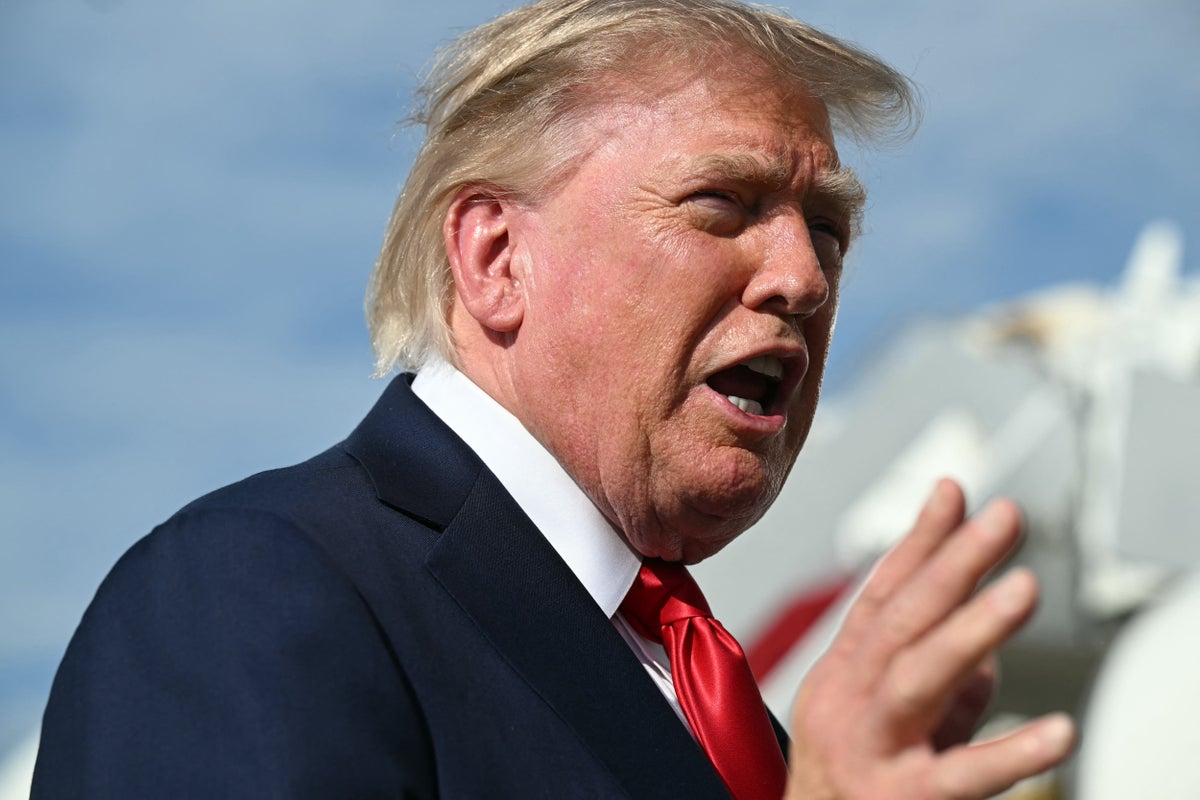
President Donald Trump announced a proposal on Monday to impose a 50 percent tariff on automobiles and auto parts manufactured in Canada. The announcement followed a breakdown in trade negotiations between the two nations. In response, Canadian Prime Minister Mark Carney stated that Canada would implement reciprocal tariffs against the United States "dollar for dollar."
The tariff proposal comes alongside other administration actions, including new sanctions against Iran announced by Treasury Secretary Scott Bessent. Additionally, the administration recently moved to import 300,000 metric tons of beef, a measure intended to lower consumer costs. These policy moves occur as Republican candidates prepare for midterm elections, with polling data showing Democrats holding a five- to eight-point lead on the generic congressional ballot.
Internal party reactions to the administration's trade and agricultural policies have been mixed. Sen. Susan Collins (R-ME) criticized the Canadian tariffs, stating they could increase costs for food, construction, and Maine's primary products. In Iowa, Rep. Ashley Hinson (R-IA), who is running for the Senate, opposed the beef import plan, arguing it could disadvantage local cattle producers. While some individual members have expressed disagreement, the source reports that Congress has taken few collective actions to distance the legislative branch from the president's trade agenda.
The political scale of these policies is measured by current polling and the upcoming midterm elections. With Democrats holding a five- to eight-point lead in generic ballot polling, the Republican majority in both the House and Senate is contested. Voters will decide the composition of Congress in approximately two and a half months. The president’s approval rating has reached its lowest recorded point, and polling suggests a shift in support among Hispanic voters, a demographic that had previously shown increased support for the president.
What happens next depends on the implementation of these proposed measures and the response from Congress. While President Trump dismissed negative polling as "demoralization operations," Republican incumbents like Sen. Collins and candidates like Rep. Hinson are navigating these policies while campaigning. The specific effective dates for the 50 percent auto tariffs and the finalized timeline for the beef imports were not reported in the source. Canadian officials have indicated they are prepared to match any U.S. tariffs immediately upon their imposition.